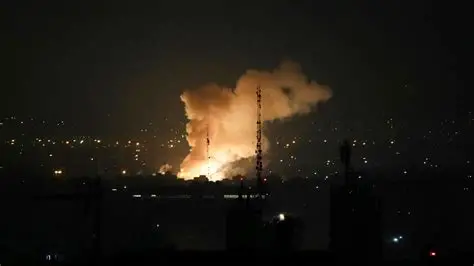
The United States and Israel have launched joint strikes on Iran, prompting swift retaliation from Tehran and raising fears of a wider regional conflict.
Abbas Araghchi said Iran will use all available military means under its right of self-defence. He stressed that Iran will protect its territorial integrity and national sovereignty.
In an official statement, Araghchi said he spoke with foreign ministers from Saudi Arabia, the UAE, Qatar, Kuwait, Bahrain, and Iraq. He urged them to prevent the US and Israel from using their territories or facilities to carry out further attacks on Iran.
Tehran has already launched retaliatory strikes in response to the joint operation.
Global Leaders React
World leaders have responded quickly to the escalation.
Ursula von der Leyen said the European Union has imposed extensive sanctions on Iran. She called on all sides to show maximum restraint, protect civilians, and respect international law.
Giorgia Meloni expressed solidarity with Iranian civilians. Her office said Italy continues to demand respect for civil and political rights. Meloni plans to consult allies and regional leaders to help reduce tensions.
Anthony Albanese said Australia stands with the people of Iran in their struggle against oppression. He added that Australia supports US efforts to prevent Iran from developing nuclear weapons.
Russia strongly condemned the strikes. Its foreign ministry described the US and Israeli actions as reckless and in violation of international law. Moscow called for a return to diplomatic negotiations.
A UK government spokesperson said Britain does not want further escalation into a broader regional war. The UK added that it stands ready to protect its national interests.
Rising Risk of Wider Conflict
The exchange of strikes marks a dangerous turning point in Middle East tensions. Diplomatic efforts now face intense pressure as regional powers weigh their next steps.
The coming days will determine whether leaders choose de-escalation or further confrontation.