A temporary ceasefire between Israel and Hezbollah has brought much-needed relief to Lebanon after weeks of intense conflict.
The truce began at midnight, prompting celebrations in Beirut, where residents marked the moment with fireworks and gunfire. Shortly after, many displaced families began returning toward southern regions, which have been heavily affected by the fighting.
The ceasefire, currently set for 10 days, follows six weeks of violence that left more than 2,100 people dead and displaced over one million residents. The scale of destruction has created a severe humanitarian crisis across the country.
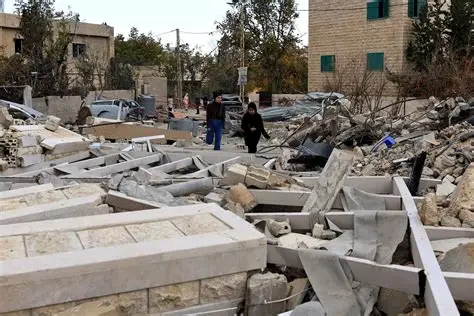
Despite the initial relief, many people remain cautious about returning home. In several areas, especially near the southern border, infrastructure has been destroyed and entire communities have been reduced to rubble. Some locations are still under Israeli military presence, raising uncertainty about long-term safety.
In Beirut’s southern suburbs, particularly Dahieh, which is known as a stronghold of Hezbollah, damage remains extensive. Many buildings have been destroyed, and some residents continue to live in temporary shelters along the city’s coastline.
The ceasefire, announced with involvement from Donald Trump, has helped pause the fighting but leaves major issues unresolved.
One key concern is the absence of any clear agreement on the withdrawal of Israeli forces from southern Lebanon. Israeli officials have suggested maintaining a security buffer zone, which could prevent some displaced residents from returning permanently.
Another major challenge involves the future of Hezbollah’s weapons. The issue has long divided Lebanon, with international powers and some local groups calling for disarmament.
However, Hezbollah leaders have firmly rejected this idea. Senior official Wafiq Safa stated that the group would never give up its weapons and emphasized its close ties with Iran.
Supporters argue that Hezbollah provides essential protection in a country with limited state security, while critics believe its actions draw Lebanon into wider regional conflicts.
Although the ceasefire offers a temporary break from violence, lasting peace will depend on resolving these deep-rooted political and security issues.