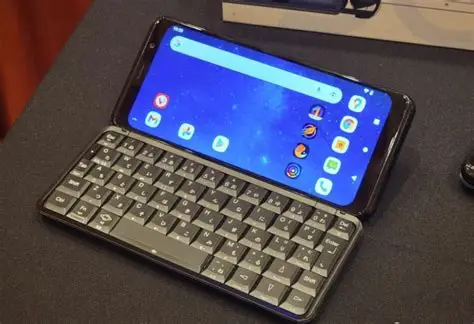
Physical Keyboard Smartphones Return as Users Seek Simpler Tech Habits
For years, touchscreen smartphones dominated the mobile industry, pushing physical keyboards into near extinction. When Apple introduced the iPhone in 2007, sleek glass screens quickly replaced tactile buttons, and major brands shifted entirely toward touch-based devices.
Now, nearly two decades later, physical keyboard smartphones are making an unexpected comeback.
A growing number of startups are reviving the classic typing experience once made famous by BlackBerry devices. Companies such as Clicks Technology and Unihertz are building phones and accessories that bring back tactile keys for users craving simplicity, focus, and nostalgia.
The revival reflects changing attitudes toward technology, digital overload, and smartphone habits. For many users, physical keyboards offer more than retro appeal. They represent a way to reconnect with intentional communication and reduce endless scrolling.
Why Physical Keyboard Smartphones Are Returning
The rise of touchscreen devices once seemed irreversible. Traditional keyboard phones disappeared from mainstream shelves, and brands like BlackBerry eventually stopped producing smartphones entirely.
Yet the emotional connection many users still feel toward keyboard phones never fully disappeared.
Online communities dedicated to classic devices continue to thrive. Fans regularly share tips, photos, and memories connected to BlackBerry’s iconic design and typing experience.
However, today’s demand extends beyond nostalgia alone.
Many younger users who never owned a keyboard phone are now discovering them for the first time. They view physical keyboard smartphones as tools for reducing distractions rather than simply reliving the past.
According to industry observers, smartphones have evolved beyond communication devices into personal lifestyle statements. That shift has allowed retro-inspired technology trends to return in cycles, much like fashion or music.
A New Generation Wants More Intentional Technology
Interestingly, a large percentage of modern keyboard smartphone buyers never experienced the original BlackBerry era.
Instead, they are drawn to devices that encourage slower, more thoughtful digital behavior.
Jeff Gadway, co-founder of Clicks Technology, explained that many customers see physical keyboards as a practical alternative to modern touchscreen overload.
Rather than opening endless apps and notifications, users focus more on messaging, productivity, and essential communication.
This growing preference reflects wider concerns about screen addiction and excessive social media consumption.
Reducing Screen Time Through Friction
One major reason behind the rise of physical keyboard smartphones is the concept of “digital friction.”
Touchscreen devices make scrolling effortless. Social media apps, videos, and notifications constantly compete for attention.
Keyboard phones change that experience.
Their smaller screens and button-based layouts make activities like doomscrolling less comfortable and less addictive.
For content creator Chonnie Alfonso, switching to a keyboard-focused device introduced enough inconvenience to reduce unnecessary phone usage.
Instead of instantly opening apps without thinking, she found herself becoming more aware of how and why she used her phone.
How Physical Keyboard Smartphones Help Reduce Screen Time
- Smaller displays discourage endless scrolling
- Physical typing slows impulsive usage
- Simpler layouts reduce app distractions
- Messaging becomes more intentional
- Users focus more on productivity tasks
Many consumers now actively seek technology that limits distraction rather than maximizing engagement.
Physical Keyboards Improve Typing Experience
While touchscreens dominate modern smartphones, many users still prefer the tactile feeling of real keys.
Physical keyboards provide immediate feedback while typing, helping users avoid errors and improve speed. For people who send frequent emails or long messages, the experience often feels more precise and satisfying.
Typing on glass screens can lead to accidental corrections and frustrating autocorrect mistakes. Physical keys reduce those issues by giving users a stronger sense of control.
Experts say tactile typing also improves concentration because users rely less on visual correction while writing.
Accessibility Benefits Are Driving Interest
Another surprising factor behind the comeback involves accessibility.
Physical keyboard smartphones can be easier for some users with visual impairments or motor control challenges.
Touchscreens require precise finger placement and gestures that may not work comfortably for everyone. Physical buttons provide texture and positioning cues that help users type with greater confidence.
Accessibility Advantages of Physical Keyboards
- Easier finger positioning
- Better tactile feedback
- Improved typing confidence
- Reduced accidental taps
- More reliable input for some users
Some consumers who struggle with touchscreen typing find physical keys more comfortable for daily communication.
The Return of Features Users Still Want
Many modern smartphones have removed features that users once considered essential.
Companies focused on keyboard devices are now reviving several of those functions.
For example, some models still include:
- Expandable memory card storage
- Physical headphone jacks
- Replaceable covers
- Wired audio support
- Compact keyboard shortcuts
These additions appeal to consumers frustrated by the growing standardization of modern smartphones.
Wired Headphones Are Also Making a Quiet Return
The comeback of physical keyboard smartphones also overlaps with renewed interest in wired accessories.
Many users appreciate wired headphones because they do not require charging and offer stable audio connections.
Wireless earbuds remain popular, but concerns about battery life, connectivity issues, and replacement costs continue to frustrate some consumers.
For younger users especially, affordability matters.
Wired vs Wireless Audio
| Feature | Wired Headphones | Wireless Earbuds |
|---|---|---|
| Battery required | No | Yes |
| Charging needed | No | Yes |
| Connection stability | Consistent | Can cut out |
| Price | Lower | Higher |
| Risk of loss | Lower | Higher |
Physical keyboard smartphone users often prefer practical features over ultra-modern minimalism.
Nostalgia Still Plays a Major Role
Although functionality drives much of the renewed interest, nostalgia still remains important.
Classic BlackBerry-style phones remind users of a different digital era — one before nonstop notifications and algorithm-driven apps dominated everyday life.
For older consumers, keyboard devices symbolize productivity and communication rather than entertainment addiction.
The emotional appeal of those earlier devices continues to influence buying decisions today.
Younger users, meanwhile, increasingly view retro technology as stylish and unique compared to nearly identical touchscreen slabs.
Startups Are Finding Opportunity in Niche Markets
Major smartphone brands remain heavily focused on touchscreen ecosystems. That leaves room for smaller companies to target niche audiences looking for alternative experiences.
Startups in this space are not trying to compete directly with flagship devices from larger manufacturers. Instead, they are offering specialized tools for users who prioritize focus, communication, and simplicity.
This strategy allows them to build loyal communities around unique hardware experiences.
Why Keyboard Phone Startups Are Growing
- Rising concern about screen addiction
- Demand for intentional technology
- Interest in retro-inspired devices
- Accessibility benefits
- Desire for more hardware choice
As mainstream smartphones become increasingly similar, niche products with distinct identities gain more attention.
Modern Smartphone Trends Are Becoming Cyclical
Technology experts believe smartphone design trends are beginning to mirror fashion cycles.
Consumers now frequently revisit older styles and features once considered outdated.
Just as vinyl records, film cameras, and retro gaming consoles have returned, physical keyboard smartphones are benefiting from a similar wave of renewed appreciation.
People increasingly want devices that feel personal, tactile, and emotionally engaging rather than purely optimized for consumption.
Can Physical Keyboard Smartphones Become Mainstream Again?
Despite growing interest, physical keyboard smartphones are unlikely to replace touchscreen devices entirely.
Modern apps, streaming platforms, and social media services still work best on larger displays. Most consumers remain deeply connected to touchscreen convenience.
However, keyboard-focused devices do not need mass-market dominance to succeed.
Their appeal lies in offering something different — a slower, more deliberate smartphone experience in an increasingly distracting digital world.
For some users, that difference is exactly what makes these devices valuable.
Key Takeaways
Why Physical Keyboard Smartphones Are Returning
- Users want less distracting technology
- Younger consumers embrace retro devices
- Physical typing improves control and accuracy
- Accessibility advantages attract new audiences
- Wired features and expandable storage remain popular
- Digital minimalism continues to grow
Conclusion
The return of physical keyboard smartphones highlights a broader cultural shift in how people interact with technology.
Instead of chasing bigger screens and endless features, many consumers now value focus, simplicity, and intentional communication. Startups reviving tactile keyboards are tapping into that demand by offering devices that feel more personal and less overwhelming.
While touchscreen smartphones will continue dominating the market, the growing popularity of keyboard devices proves there is still room for alternatives that prioritize usability, nostalgia, and digital balance.