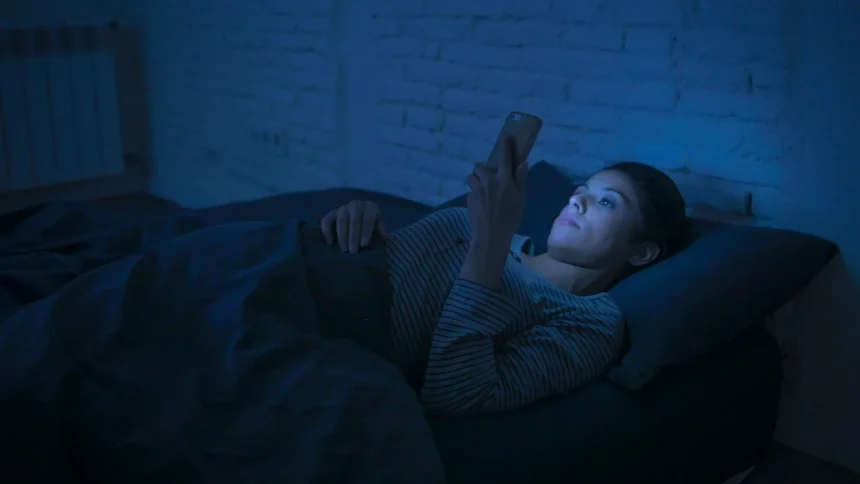
For years, people have blamed phone screens for poor sleep. Many believe blue light exposure from devices disrupts the body’s natural rhythm. However, recent research suggests the issue is more complex than it seems.
The idea that screens harm sleep gained popularity after a 2014 study. Researchers found that people who used an iPad before bed took longer to fall asleep and felt more tired the next day compared to those who read printed books. The study linked these effects to reduced production of melatonin, a hormone that regulates sleep.
While this research sparked widespread concern, experts now argue that many people misunderstood its conclusions.
Is Blue Light Really the Problem?
According to Jamie Zeitzer, the science behind blue light is valid, but the public response has been oversimplified.
Modern devices use LED technology, which emits more blue light than older lighting systems. Blue light can influence the circadian rhythm, the internal system that controls sleep and wake cycles.
However, the actual impact of phone screens on sleep is often exaggerated. Many studies show mixed results, and features like “night mode” or blue light filters may not significantly improve sleep quality.
What Really Affects Your Sleep
Experts suggest that overall light exposure plays a bigger role than just screen use. Bright lighting late at night—whether from devices or room lighting—can delay your body’s natural sleep signals.
Lifestyle habits also matter. Irregular sleep schedules, stress, and late-night activity often have a stronger impact than blue light alone.
Even in extreme conditions where people eliminate blue light completely, the improvement in sleep is not always dramatic. This suggests that other factors contribute more significantly to sleep problems.
Should You Still Limit Screen Time?
Reducing screen time before bed can still help, but not only because of blue light. Using devices often keeps your brain active, making it harder to relax.
Instead of focusing only on blue light, experts recommend a broader approach:
- Keep lighting dim in the evening
- Maintain a consistent sleep schedule
- Avoid stimulating activities before bedtime
The Bottom Line
Blue light is not the sole reason for poor sleep. While it can affect your body clock under certain conditions, everyday habits and overall light exposure matter more.
Understanding this can help you make smarter choices and improve your sleep without relying on extreme measures.