The debate over the Foreign Intelligence Surveillance Act has intensified as lawmakers struggle to agree on its future. The US Congress recently passed a short-term extension, keeping the law active for 10 more days after failing to reach a long-term agreement.
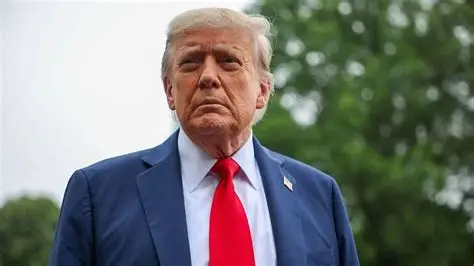
Donald Trump has called for a full extension of the law. However, growing concerns about privacy and surveillance have led to resistance from members of both political parties.
What Is the FISA Law?
The Foreign Intelligence Surveillance Act, introduced in 1978, regulates how US intelligence agencies collect information related to foreign threats. It also requires telecommunications companies to assist in certain investigations.
A special court, known as the FISA Court, reviews government requests for surveillance activities. This process aims to ensure that intelligence operations comply with the US Constitution, particularly protections against unreasonable searches.
Understanding Section 702
A key part of the law is Section 702, added in 2008. It allows agencies like the National Security Agency to monitor communications of non-US citizens located abroad without a warrant.
In practice, this surveillance often uses data from US-based digital systems. While targeting foreigners, the program can also collect communications involving American citizens if they interact with individuals under surveillance.
The NSA frequently works with agencies such as the Federal Bureau of Investigation to analyze this data and identify potential threats.
Why Lawmakers Are Divided
Supporters argue that Section 702 plays a critical role in national security. Officials say it helps prevent terrorism, disrupt cyberattacks, and combat international crime.
However, critics believe the law allows excessive surveillance. Organizations like the American Civil Liberties Union argue that it enables mass data collection without proper oversight.
Opponents also worry that information gathered without a warrant could be used in criminal cases unrelated to national security, raising serious privacy concerns.
Why the Extension Is Temporary
Efforts to extend the law for several years have failed due to disagreements over reforms. As a result, Congress approved only a short-term extension to avoid a lapse in surveillance authority.
This temporary solution gives lawmakers more time to negotiate changes, including possible limits on how data is collected and used.
What Happens Next?
The future of the FISA law remains uncertain. Lawmakers must now decide whether to renew the program, modify it, or introduce stricter safeguards.
The outcome will shape how the United States balances national security with individual privacy in an increasingly digital world.