US Tourists Stranded in Mexico: How an Alarming Cartel Violence Crisis Unfolded
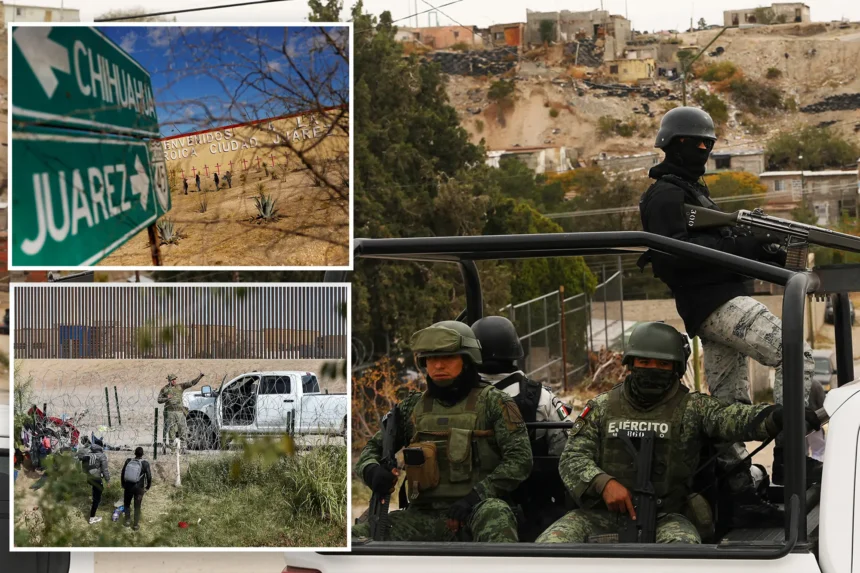
US tourists stranded in Mexico became one of the most visible human consequences of the violence that followed the death of Nemesio Rubén Oseguera Cervantes, better known as “El Mencho”, the leader of the Jalisco New Generation Cartel. After Mexican security forces carried out an operation in Jalisco on 22 February 2026, retaliatory attacks spread across several states, with burning vehicles, roadblocks, flight cancellations and shelter-in-place warnings disrupting travel in and around Puerto Vallarta.
The story of US tourists stranded in Mexico was not only about delayed flights. It was also about how quickly a security operation against one cartel leader could affect ordinary visitors, local residents, hotels, airports, shops and transport routes. Tourists who had expected a beach holiday found themselves checking government alerts, waiting inside hotels and trying to understand whether roads to the airport were safe.
The immediate crisis later eased, with officials reporting that airports in Guadalajara and Puerto Vallarta had returned to normal operations. Still, US tourists stranded in Mexico remained a warning about sudden travel disruption. But the episode remains important because it showed how cartel violence can move suddenly from remote security operations into major tourist areas. It also underlined a basic travel lesson: when a destination is affected by unrest, the safest decision is usually to follow official instructions, avoid rumours and delay unnecessary movement until authorities confirm that routes are secure.
What Happened After El Mencho’s Death
For readers following US tourists stranded in Mexico, the timeline begins with a security operation that quickly became a travel disruption.
Mexican authorities said the operation was launched in Tapalpa, Jalisco, with the aim of capturing Oseguera Cervantes. According to reporting based on official statements, Mexican forces came under attack and the operation ended with El Mencho and several alleged associates dead. The United States did not carry out the operation, but U.S. authorities provided intelligence support under bilateral cooperation, according to public reporting from the period.
The response from suspected cartel members was immediate and disruptive. Vehicles were set on fire, roads were blocked and transport in several areas was interrupted. The Jalisco state government urged residents to stay home while authorities worked to restore control. Puerto Vallarta, normally known for tourism, became one of the places where the crisis was most visible.
Why US Tourists Stranded in Mexico Became the Main Travel Story
The phrase US tourists stranded in Mexico captured a wider disruption affecting foreign visitors and locals alike. Puerto Vallarta depends heavily on travel, hospitality and transport. When violence blocks roads, closes businesses and causes airlines to suspend flights, the impact is felt quickly by people who may have little understanding of the local security situation.
Reuters reported that Air Canada temporarily suspended operations in Puerto Vallarta and that United Airlines cancelled flights there after reports of the military operation against the cartel leader. That airline disruption turned a security story into a travel emergency for visitors trying to leave.
Some tourists were not only waiting for flights. They were also trying to decide whether it was safe to travel to the airport. TIME reported that roadblocks leading to Puerto Vallarta airport disrupted airline operations and left visitors uncertain about departure timelines. It also described how misinformation on social media added to the anxiety, with travellers struggling to separate verified updates from alarming claims.
| Area affected | What travellers faced |
|---|---|
| Puerto Vallarta | Roadblocks, fires, business closures and interrupted access to the airport |
| Guadalajara and wider Jalisco | Public transport disruption, road closures and security alerts |
| Airlines | Temporary flight suspensions and cancellations |
| Hotels and rentals | Visitors sheltering indoors while waiting for reliable updates |
| Online information | Rumours and unverified posts spreading alongside official guidance |
US tourists stranded in Mexico therefore became a shorthand for several overlapping problems: physical danger, travel disruption, limited information and uncertainty about when normal movement could resume.
The Scale of the Violence Was Wider Than One Resort City
The story of US tourists stranded in Mexico was only one part of a wider outbreak of violence.
The unrest did not affect only one neighbourhood or one road. El País later reported that the criminal reaction left more than 70 people dead across the country, roughly 250 road blockades in 20 states, vehicles and businesses burned and classes suspended. The same report said the airports in Guadalajara and Puerto Vallarta had returned to normal operations by 26 February.
Those figures explain why US tourists stranded in Mexico should not be treated as a minor inconvenience. For travellers, the visible problem may have been a cancelled flight or an order to remain inside a hotel. For Mexico, the crisis involved a major security response, attacks on infrastructure and fear among residents in several states.
At the same time, the article should avoid exaggeration. Mexico is a large country, and security conditions vary sharply by state, city and even neighbourhood. Not every tourist destination was affected in the same way. Responsible travel reporting should be specific about where the unrest occurred, which areas were under alerts and what official agencies advised at the time.
What the U.S. Travel Advisory Says About Jalisco
The case of US tourists stranded in Mexico also showed why state-by-state advisories matter.
The U.S. State Department’s Mexico travel advisory now lists Jalisco at Level 3, meaning “Reconsider travel”, because of terrorism, crime and kidnapping risks. The advisory notes that violence involving cartels, gangs and criminal organisations can affect the state, while also stating that there are no specific U.S. government employee travel restrictions for the Guadalajara Metropolitan Area, Puerto Vallarta, neighbouring Riviera Nayarit, Chapala and Ajijic.
For US tourists stranded in Mexico, the most important practical instruction during the February crisis was to shelter in place in affected areas. That advice is common during fast-moving unrest because roads can become more dangerous than hotels or residences. Moving toward smoke, roadblocks or police activity can increase risk.
What Tourists Should Do During a Security Crisis
For US tourists stranded in Mexico, the safest first move was not always to leave immediately.
US tourists stranded in Mexico faced the same basic decision many travellers face during unrest: move immediately or wait. In most cases, the safer first step is to pause, check official guidance and contact the airline or accommodation provider before attempting to travel.
A practical response should look like this:
- Stay inside a secure hotel, residence or airport area unless authorities advise otherwise.
- Monitor alerts from the U.S. Embassy, the State Department, local authorities and airlines.
- Avoid roadblocks, demonstrations, smoke, police activity and crowds.
- Do not drive at night or attempt unfamiliar routes during a security incident.
- Contact the airline before going to the airport.
- Keep passports, medication, phone chargers and essential documents ready.
- Share location and travel plans with family or emergency contacts.
- Avoid reposting unverified videos or claims that could spread panic.
This is where broader travel preparation matters. The News Ink’s verified smart travel guide explains how planning, documentation and safety awareness can reduce risk before a trip begins. A security crisis is easier to manage when travellers already know where to find official alerts and have backup communication plans.
Misinformation Made the Situation Harder
The experience of US tourists stranded in Mexico was made worse by unclear and often unreliable information.
One of the most difficult parts of the crisis was the information environment. When violence erupts, social media can become a mix of useful eyewitness updates, recycled videos, rumours and false claims. TIME reported that misinformation spread during the clashes, adding confusion for people trying to decide whether it was safe to move.
For US tourists stranded in Mexico, misinformation can be dangerous in two ways. First, false claims can push people into panic. Second, outdated or inaccurate information can cause travellers to choose unsafe routes. A video from another city or an earlier hour may not reflect the current situation near a hotel, road or airport.
Travellers should verify before acting. Useful sources include official embassy alerts, airline notices, airport updates, hotel security staff and local authorities. Social media can help identify possible trouble spots, but it should not be the only basis for a decision.
Digital safety also matters during crises. Public Wi-Fi networks, urgent messages and fake travel updates can create separate risks. The News Ink’s verified guide to public Wi-Fi safety explains why travellers should be careful when accessing accounts or responding to unexpected messages while abroad.
Why Flight Cancellations Stranded Visitors
Flight cancellations were central to the story of US tourists stranded in Mexico.
Airlines do not need an airport terminal to be directly attacked before cancelling flights. If access roads are blocked, fuel and crew movement are uncertain, or authorities warn of a wider security situation, carriers may suspend operations until they can safely resume.
That is why US tourists stranded in Mexico faced uncertainty even when they were not personally near a confrontation. A flight can be cancelled because an airline cannot guarantee safe ground operations or because passengers and staff cannot reliably reach the airport.
The situation also shows why travel insurance and flexible plans matter. Some travellers may be able to rebook through another Mexican city or wait for the same route to reopen. Others may need consular guidance, especially if they have medical needs, children, elderly relatives or limited funds.
Puerto Vallarta’s Tourism Image Took a Sudden Hit
Puerto Vallarta became the most recognisable setting for US tourists stranded in Mexico.
Puerto Vallarta is one of Mexico’s best-known Pacific coast destinations. Its hotels, beaches, cruise connections and restaurants depend on confidence. The February unrest did not permanently shut down the city, but it did create images that can damage trust quickly: smoke, burned vehicles, roadblocks and travellers waiting indoors.
US tourists stranded in Mexico were part of that image. El País reported that Guadalajara and Puerto Vallarta airports had returned to normal operations by 26 February. That was an important step. However, official travel advisories continued to warn visitors about broader risks in Mexico, especially in states where cartel violence, kidnapping or road insecurity remain serious concerns.
How Cartel Violence Can Affect Travellers Indirectly
US tourists stranded in Mexico also reveal how visitors can be affected even when they are not directly targeted.
Most cartel violence in Mexico is targeted within criminal rivalries or against security forces. However, travellers can still be affected indirectly. They may be caught near a roadblock, stuck because public transport stops, delayed by airline cancellations or frightened by visible fires and armed patrols.
The February events showed several indirect risks:
| Risk | How it affects travellers |
|---|---|
| Roadblocks | Prevent airport access and delay emergency movement |
| Vehicle fires | Create danger, smoke and panic in public areas |
| Transport shutdowns | Limit safe options for reaching hotels or airports |
| Business closures | Reduce access to food, supplies and cash |
| Misinformation | Makes it harder to know which areas are safe |
| Flight cancellations | Leave visitors stranded beyond their planned stay |
US tourists stranded in Mexico did not need to be directly targeted to face serious disruption. That is a key lesson. Travel safety is not only about whether a visitor is the intended victim of violence. It is also about whether violence disrupts the systems that visitors depend on.
What Families Should Know Before Travelling to Mexico
The case of US tourists stranded in Mexico offers practical lessons for families planning future trips.
Mexico remains a major destination for American travellers, and millions of trips occur without serious incidents. A professional article should not imply that every trip is unsafe. It should instead encourage careful planning.
Before travelling, families should:
- Read the latest State Department advisory for each state they plan to visit.
- Check whether their route includes roads restricted for U.S. government employees.
- Enrol in the Smart Traveler Enrollment Program if eligible.
- Keep digital and paper copies of passports and insurance documents.
- Choose regulated airport transport or trusted app-based services.
- Avoid driving between cities after dark.
- Follow hotel security guidance during local incidents.
- Build flexibility into return travel plans.
These steps would not have prevented the violence that left US tourists stranded in Mexico, but they could make a difficult situation easier to manage. Prepared travellers are more likely to know where to find accurate information, how to contact their airline and when to avoid unnecessary movement.
Why This Crisis Matters Beyond Tourism
US tourists stranded in Mexico became part of a larger debate about organised crime, state capacity and visitor safety.
The death of El Mencho was a major moment in Mexico’s fight against organised crime. He had led one of the country’s most powerful and violent criminal groups. The United States had offered a reward of up to $15 million for information leading to his capture, reflecting his importance to cross-border drug enforcement.
But removing a cartel leader can create immediate instability. Criminal organisations may retaliate, compete internally or use public violence to show strength. That does not mean authorities should avoid pursuing powerful figures. It means the aftermath must be planned with protection for civilians, transport routes and public information in mind.
US tourists stranded in Mexico became part of this broader story because tourist zones are not isolated from national security problems. Roads, airports, shops and hotels are connected to the same local environment as residents’ daily lives.
A Careful Way to Read the Story
US tourists stranded in Mexico should be discussed with accuracy rather than panic.
There are three mistakes to avoid when discussing US tourists stranded in Mexico: minimising the danger, exaggerating the threat to all of Mexico and spreading unverified claims. A balanced version recognises that the violence was serious, the disruption to travellers was real and the safest advice for US tourists stranded in Mexico was to shelter in place where instructed until confirmed updates made movement safer.
Frequently Asked Questions
Why were US tourists stranded in Mexico?
US tourists stranded in Mexico were affected by roadblocks, fires, flight cancellations and shelter-in-place guidance after violence erupted following the death of CJNG leader El Mencho.
Where were US tourists stranded in Mexico most affected?
Puerto Vallarta was one of the most visible tourist areas affected because roadblocks disrupted access to the airport and airlines temporarily suspended or cancelled operations.
Did the U.S. carry out the operation?
No. Public reporting says Mexican forces carried out the operation. U.S. officials confirmed intelligence support, but the action on the ground was conducted by Mexico.
Are flights operating normally now?
El País reported that Guadalajara and Puerto Vallarta airports had returned to normal operations by 26 February. Travellers should still check airline and airport updates before travel.
Is Puerto Vallarta under a U.S. government employee travel ban?
The current State Department advisory lists Jalisco at Level 3, “Reconsider travel”, but states that there are no specific U.S. government employee travel restrictions for Puerto Vallarta and neighbouring Riviera Nayarit. Travellers should read the full advisory because risks and restrictions vary by area.
What should US tourists stranded in Mexico do during similar unrest?
Stay in a secure location, monitor official alerts, avoid roadblocks and police activity, contact airlines before going to the airport and do not rely on unverified social media posts.
US Tourists Stranded in Mexico Show Why Travel Alerts Matter
US tourists stranded in Mexico became the human face of a wider security crisis that began with the death of a powerful cartel leader and spread quickly through roadblocks, arson and transport disruption. The crisis showed how rapidly local violence can affect international travellers, especially when airports and main roads become difficult to access.
The immediate disruption later eased, but US tourists stranded in Mexico left a lasting lesson. Travellers should not treat official advisories as background noise. They are practical tools for judging risk, planning routes and knowing when to stay put.
US tourists stranded in Mexico also showed why careful reporting matters. The strongest account avoids panic while still taking the danger seriously. It separates confirmed facts from rumours, explains why US tourists stranded in Mexico faced real uncertainty and reminds visitors that safety decisions should be based on official guidance rather than viral fear.
For more travel safety explainers and destination-planning guidance, follow The News Ink on Threads.