Social Media Impact on Children: Critical 2026 Verdict After Zuckerberg Testimony
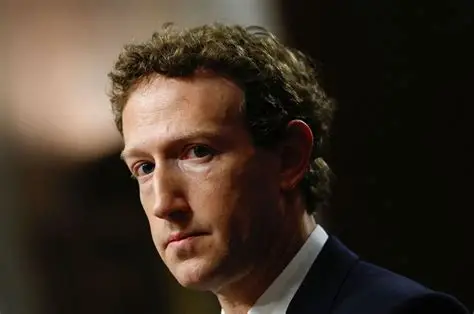
Social media impact on children became a courtroom issue with real financial consequences after a Los Angeles jury found Meta and Google liable in a landmark youth social-media addiction trial. The case centred on a young woman identified in court as KGM, also referred to publicly as Kaley, who alleged that years of childhood use of YouTube and Instagram contributed to serious mental-health harm. Mark Zuckerberg’s testimony drew attention while the trial was underway, but the jury’s March 2026 verdict became the bigger turning point.
The original story focused on Zuckerberg taking the stand and on what the trial could mean. The case has now moved beyond testimony. Jurors found that Meta and Google were negligent in the design or operation of Instagram and YouTube, failed to adequately warn users and owed $6 million in damages. Meta was assigned 70% of the total and Google 30%.
That outcome does not end the legal fight. Both companies deny wrongdoing and are expected to challenge the verdict. Still, social media impact on children is no longer only a public-health debate, a parental concern or a political talking point. In this case, it became a successful product-liability argument before a jury.
Why Social Media Impact on Children Reached a Jury
Social media impact on children has become one of the most difficult questions facing technology companies, parents, schools and lawmakers. Instagram and YouTube are not niche services. They are part of daily life for millions of young users, shaping entertainment, social connection, body image, attention and identity.
KGM’s lawsuit argued that the companies designed features such as algorithmic recommendations, autoplay, alerts, engagement-driven feeds and endless scrolling in ways that encouraged compulsive use. Her lawyers said those systems kept her returning to the apps from a very young age and contributed to depression, anxiety and body-image struggles. Meta and YouTube rejected the claim that their platforms caused the harm, arguing that youth mental health is complicated and shaped by many factors.
That complexity made social media impact on children especially important in court. The jury was not asked to decide whether every child is harmed by social media. It was asked whether the companies’ design and warning choices were negligent in this case and whether that negligence was a substantial factor in the plaintiff’s harm.
The answer was yes. That is why the verdict is being watched so closely by lawyers handling thousands of related lawsuits.
What Zuckerberg Testified About Social Media Impact on Children
Social media impact on children became more visible when Zuckerberg appeared before jurors. Plaintiffs wanted the jury to hear directly from the leader of Meta, the company behind Instagram and Facebook. Zuckerberg defended Meta’s approach and said the company had considered research, expert feedback and user wellbeing when developing safety measures for young users.
His testimony was part of a broader trial record. Instagram head Adam Mosseri and YouTube engineering executive Cristos Goodrow also testified. Plaintiffs used executive testimony to argue that the companies understood enough about potential risks to do more. Defence lawyers argued that the platforms had built safety tools, parental controls and warnings while responding to an evolving issue.
This is why social media impact on children became a question about corporate knowledge as much as app use. What did executives know about young users? How did the companies measure engagement? Which warnings were provided? Which design changes were delayed, rejected or implemented?
The case did not turn only on Zuckerberg’s words. It turned on whether the jury believed the companies acted reasonably when designing products used by children.
Social Media Impact on Children Verdict: What the Jury Decided
Social media impact on children took on a new legal meaning when jurors awarded $3 million in compensatory damages and $3 million in punitive damages. The jury found Meta negligent in designing or operating Instagram and found Google negligent in designing or operating YouTube. It also found that both companies failed to adequately warn users about potential dangers.
The verdict allocation was clear: Meta was responsible for 70% of the damages, while Google was responsible for 30%. That means Meta’s share was $4.2 million and Google’s was $1.8 million.
| Verdict point | Jury finding |
|---|---|
| Meta and Instagram | Negligent design or operation |
| Google and YouTube | Negligent design or operation |
| Warning claim | Both companies failed to warn adequately |
| Causation | Negligence was a substantial factor in harm |
| Total damages | $6 million |
| Allocation | Meta 70%, Google 30% |
Social media impact on children had produced many lawsuits before, but this verdict mattered because it was the first major bellwether result. A bellwether case does not automatically decide every similar lawsuit, but it shows how a jury responds to evidence, expert testimony and platform-design arguments.
Why Social Media Impact on Children Made This a Bellwether Case
The case was part of a wider group of lawsuits over alleged youth harm from social media. Bellwether trials are chosen to test legal theories before many similar cases proceed. They help both sides understand how jurors may react and whether settlement pressure is likely to increase.
That makes social media impact on children a major litigation risk for the technology industry. The KGM case involved Meta and Google after TikTok and Snap settled before trial. Meta and Google continued to verdict. More cases remain pending in California state court and federal court. Some involve individual families, while others involve school districts, municipalities and state governments.
The verdict gives plaintiffs momentum, but it does not guarantee identical outcomes. Each case will depend on the user’s history, the platforms involved, medical evidence, expert testimony and the legal claims allowed by the judge. Appeals may also change the effect of the first verdict.
For readers following related online safety issues, The News Ink has examined social media risks for kids, including why parents, platforms and regulators often disagree about responsibility.
What KGM Alleged About Social Media Impact on Children
Social media impact on children became personal in KGM’s testimony. She alleged that she began using YouTube at age six and Instagram at age nine. According to trial reporting, she described feeling unable to stay away from the platforms and said that features such as beauty filters and constant feeds worsened her self-image and emotional health.
Her lawyers argued that the design of the platforms exploited childhood vulnerability. Children and teenagers are still developing impulse control, self-esteem and social judgment. A product that rewards constant checking, comparison and approval-seeking may affect them differently from adults.
Meta and YouTube disputed the causal link. Meta argued that KGM faced serious difficulties before social media use became central to the case. YouTube said the allegations misunderstood its service and its safety work. Those arguments remain part of the appeals and future-trial landscape.
The careful conclusion is this: social media impact on children should not be described as if every mental-health problem has one cause. But in this case, the jury accepted that platform design and warnings played a legally significant role.
Why Social Media Impact on Children Is About Design
A key reason social media impact on children is becoming a legal issue is that plaintiffs are focusing on design, not only harmful posts. The lawsuits challenge systems that keep users engaged: autoplay, infinite scroll, algorithmic recommendations, notifications, like counts and filters.
Those features are not accidental. They are central to modern social platforms. They help users discover content and help companies keep people active. But when the user is a child, the same features can raise harder questions. How easy is it to stop? How often does the platform pull the child back? Does the recommendation system amplify appearance pressure, extreme content or distressing material?
None of these features is automatically illegal. Many users enjoy them. Some young people use social media for friendship, creativity, education and support. The legal question is whether companies took reasonable care when offering those features to minors.
That is why social media impact on children is likely to remain focused on product architecture. The future debate will not only ask what children saw. It will ask how platforms pushed, repeated, ranked and rewarded what they saw.
Why Social Media Impact on Children Remains Scientifically Complicated
Social media impact on children is serious, but the research picture is not simple. The U.S. Surgeon General’s 2023 advisory warned that there was not enough evidence to conclude that social media is sufficiently safe for children and adolescents. It also highlighted concerns around sleep, body image, social comparison, cyberbullying and excessive use.
At the same time, social media can also provide connection, information and identity support for some young users. A teenager who feels isolated offline may find community online. A child with a niche interest may discover learning resources. A young person facing difficulties may find language to describe what they are experiencing.
That does not cancel the risks. It means social media impact on children depends on age, vulnerability, platform design, content exposure, time spent, parental support and offline life. Courts will likely continue to hear experts disagree about how much weight should be given to each factor.
For a broader wellbeing angle, The News Ink’s healthy lifestyle guide explains why sleep, routines, movement and support systems matter. Digital habits increasingly belong in that same conversation.
Why Social Media Impact on Children Has Regulators Watching Closely
The verdict arrived during a wider political push for stronger youth-safety rules. In June 2026, U.S. House committee leaders reached a bipartisan agreement on youth social-media legislation, though the proposal still needed to move through Congress. At the same time, Meta was lobbying over federal standards connected to online safety, while critics warned against provisions that could limit state-law lawsuits.
This matters because social media impact on children is now being addressed in three arenas at once. Courts are deciding liability for past harm. Lawmakers are trying to write future rules. Platforms are changing their products before or during litigation.
Meta has also introduced new safety measures. Instagram’s PG-13-style teen content filters were designed to place users under 18 into more restrictive settings by default, with stronger parental controls and age-prediction technology. Those changes may help Meta argue that it is responding to concerns. Plaintiffs may argue that the changes show earlier tools were not enough.
The legal and regulatory pressure will likely push platforms toward more visible defaults, stronger age assurance and clearer warnings.
What Later Settlement News Shows
Social media impact on children continued to shape litigation after the KGM verdict. On 23 June 2026, Reuters reported that YouTube reached a confidential settlement with a 16-year-old Florida plaintiff before a second California state trial over alleged harm from social media. Meta, Snap and ByteDance remained set for trial in July in that case.
That settlement does not prove liability in the second case. Settlements often happen for many reasons, including litigation risk, costs and the desire to avoid another public trial. But it does show that the first verdict changed the legal environment around youth social-media claims.
The scale of the litigation is also important. Reuters reported thousands of related lawsuits pending in California state court and federal court. That means social media impact on children will remain a major issue even if some cases resolve privately.
The next phase will likely include more settlements, appeals, bellwether trials and proposed legislation. Each development will influence how platforms design teen accounts, notifications, recommendation systems and parental tools.
What Parents Should Learn From the Case
Social media impact on children should not make parents panic, but it should make families more deliberate. The trial highlighted how platform design can shape behaviour even when children and parents believe they are making simple daily choices.
Parents and guardians can start with practical questions:
- Which apps does the child use most often?
- Are notifications, autoplay or recommendation feeds increasing screen time?
- Does the child seem anxious, angry or withdrawn after using a platform?
- Are sleep, schoolwork, friendships or offline hobbies being affected?
- Are parental controls active and understood?
- Does the child know how to report unwanted contact or harmful content?
- Is there a realistic family routine for screens?
These questions are not a substitute for professional help. If a child shows signs of severe depression, self-harm thoughts, unsafe contact or serious distress, families should contact qualified health professionals or local emergency services immediately.
This is also where privacy and safety overlap. The News Ink’s article on online privacy explains why having more settings does not always mean having more protection. Teen-safety tools face the same problem when families cannot easily see whether the underlying systems are working.
What Platforms Should Learn From the Verdict
For technology companies, the verdict sends a clear warning: safety claims must be backed by product choices. If platforms say they protect children, juries may ask whether alerts, feeds, filters, recommendations and warnings support that promise.
Social media impact on children will increasingly be judged by documents and evidence. Companies may need to show how they tested youth features, what risks they identified, what changes they made and whether those changes worked. General statements about caring for young users may not be enough.
The hard part is that many profitable features are also the features critics identify as risky. Autoplay increases watch time. Notifications bring users back. Recommendations extend sessions. Beauty filters drive engagement. Like counts create feedback loops. The challenge is designing those systems differently when the user is a child.
That does not mean platforms must become unusable for teens. It means child-facing design may need stricter defaults, clearer warnings, independent audits and stronger limits on engagement tools.
A Landmark Verdict, Not the Final Word
Social media impact on children entered a new phase after the Los Angeles verdict. The case began as a trial about one plaintiff’s experience with Instagram and YouTube. It became a signal to the entire technology industry that design choices can carry legal consequences when children are involved.
The original story rightly focused on Zuckerberg’s testimony because that was the dramatic moment inside the courtroom. The stronger updated story is the verdict, the appeals, the settlement pressure and the wider policy debate that followed.
The final answer is not simple. Social media can connect young people, but it can also expose them to comparison, pressure, harassment and compulsive use. Parents have responsibilities, but platforms design the systems children use. Regulators can set standards, but courts are now being asked to decide whether past design choices caused harm.
After this verdict, social media impact on children can no longer be treated as a vague concern. It is now a legal, regulatory and product-design challenge that Meta, Google and the rest of the industry must take seriously.
For more technology and online safety analysis, follow The News Ink on X.