US and Iranian officials will meet in Geneva on Thursday for a third round of indirect talks aimed at preventing conflict. The discussions come at a tense moment in relations between the two countries.
President Donald Trump has warned that he could order strikes on Iran if no nuclear deal is reached. At the same time, he says he prefers diplomacy. Iran has vowed to respond forcefully to any attack.
The talks are widely seen as a critical effort to avoid escalation. However, it remains unclear whether both sides can reach common ground. Trump has suggested he may consider limited military action to pressure Tehran, but he has not fully detailed what the United States expects from a new agreement.
Iran has rejected US demands to halt uranium enrichment on its soil. Still, officials have signalled they may offer limited concessions on their nuclear programme.
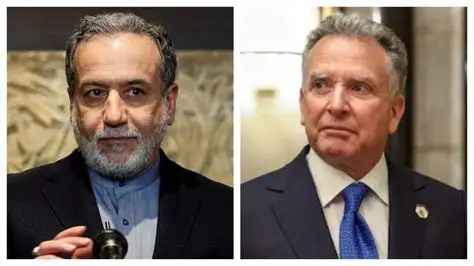
As in earlier rounds mediated by Oman, Iran’s delegation will be led by Foreign Minister Abbas Araghchi. The US team will include special envoy Steve Witkoff and Jared Kushner.
The negotiations take place amid a significant US military build-up in the Middle East. Washington has deployed thousands of troops, two aircraft carriers, fighter jets and support aircraft to the region.
Tensions have increased in recent months. Trump previously threatened military action during unrest inside Iran. His focus has since shifted to Tehran’s nuclear activities.
For years, the US and Israel have accused Iran of seeking nuclear weapons. Iran denies the claim and says its programme serves peaceful purposes. However, it remains the only non-nuclear state enriching uranium close to weapons-grade levels.
The outcome of the Geneva talks could shape the region’s stability in the months ahead.