US Iran Talks: How Urgent 2026 Diplomacy Followed a Costly War
US Iran talks in Geneva were originally framed as a last diplomatic effort to prevent military escalation. By the end of February 2026, that warning proved tragically serious. The indirect negotiations produced claims of progress but no breakthrough, and two days later the United States and Israel launched strikes against Iran, beginning a wider conflict that later required a fragile interim agreement to stop the fighting.
That timeline makes the story more important than a simple preview of one meeting. US Iran talks showed how narrow the diplomatic window had become, how difficult the nuclear dispute remained and how quickly military threats can become military action when negotiations fail to deliver a clear deal.
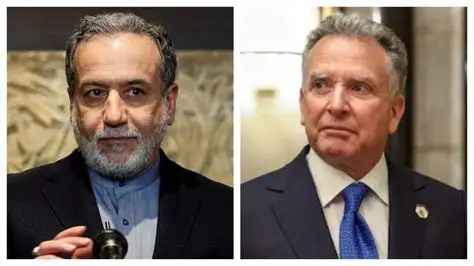
The talks involved Iranian Foreign Minister Abbas Araghchi and U.S. envoys Steve Witkoff and Jared Kushner, with Oman mediating between the two sides. The immediate issue was Iran’s nuclear programme, but the wider dispute included sanctions, missiles, regional armed groups, the Strait of Hormuz and the role of Israel. By June, the conflict had shifted again: Washington and Tehran had signed an initial agreement to halt the war and open a 60-day period for broader negotiations, while both sides continued to dispute what nuclear inspections and uranium limits would actually mean.
US Iran Talks Began With War Threats Already on the Table
US Iran talks did not take place in a calm diplomatic environment. They happened while the Trump administration was building military pressure in the Middle East and warning that force remained an option. Iran said it wanted a diplomatic solution but also warned that any attack would trigger a response.
That made the Geneva round unusually tense. The United States was demanding major limits on Iran’s nuclear programme, including pressure over uranium enrichment and existing stockpiles. Iran rejected any demand to give up enrichment entirely on its own soil, while signalling that it could consider limited nuclear concessions if sanctions relief and recognition of peaceful enrichment rights were part of the bargain.
The central question was whether US Iran talks could produce enough progress to delay or prevent military action. Oman, which mediated the indirect exchanges, described movement in the talks, but the negotiators left Geneva without a final agreement. In a crisis built around deadlines and threats, that was not enough.
What Happened in the US Iran Talks in Geneva?
The Geneva round took place on 26 February 2026. The Reuters report on the Geneva round said the United States and Iran made progress, according to Omani mediator Badr al-Busaidi, but the talks ended without a deal. The two sides planned to consult their capitals, with technical-level discussions expected to follow.
The format was indirect. Iran did not sit in direct face-to-face talks with the American delegation. Oman carried messages and proposals between the sides. That format had advantages because it allowed both governments to negotiate while managing domestic political sensitivities. It also slowed the process, because every major movement required mediation.
US Iran talks produced several signs of engagement. Araghchi said there had been agreement on some issues and differences on others. The Omani mediator said progress had been made. A senior U.S. official described the round as positive. However, no one announced a breakthrough on the core issue: how far Iran would limit enrichment, what would happen to its enriched uranium and what sanctions relief Washington would provide.
The absence of a deal left the region exposed. Diplomacy had not collapsed, but it had not created a safety net strong enough to stop escalation.
Why the Nuclear Question Dominated US Iran Talks
The nuclear dispute has always been the centre of US Iran talks. Washington and its allies have argued for years that Iran’s nuclear advances create a weapons risk. Tehran denies seeking a bomb and says its programme is for peaceful purposes. The difficulty is that Iran enriched uranium to levels far beyond what is needed for ordinary civilian power generation.
The IAEA report summarized by Reuters made the issue even sharper. The U.N. nuclear watchdog said it had been unable to verify the fate of Iran’s low- and highly enriched uranium stocks, including material enriched up to 60% purity. Weapons-grade uranium is usually described as around 90%, but 60% is already a short technical step away.
That is why US Iran talks could not be reduced to a slogan such as “deal or no deal.” The technical questions are complex. How much enriched uranium remains? Where is it stored? Can inspectors verify it? Will Iran dilute, export or retain it? Will enrichment continue at low levels? Will Washington accept any domestic enrichment at all?
A durable agreement would need to answer those questions clearly. The Geneva round did not.
Why Iran Refused to Abandon Enrichment
Iran’s position during US Iran talks was rooted in sovereignty and sanctions relief. Tehran argued that it had a right to peaceful nuclear enrichment under the Non-Proliferation Treaty. It also demanded the lifting of economic sanctions that had damaged its economy for years.
For Iran, abandoning enrichment completely would look like surrender. That was especially difficult during a period of military pressure, because leaders in Tehran did not want to appear to give up a strategic programme under threat. Iranian officials suggested possible concessions, such as sending part of the highly enriched stockpile abroad, diluting the rest or discussing a regional enrichment arrangement. But they did not accept the core U.S. demand for zero enrichment.
This gap made US Iran talks extremely difficult. Washington viewed enrichment as the pathway to a nuclear weapon. Tehran viewed enrichment as a sovereign right and a symbol of technological independence. Diplomacy had to bridge not only policy differences but also questions of national pride and political survival.
The U.S. Military Build-Up Raised the Stakes for US Iran Talks
US Iran talks unfolded alongside a visible American military build-up. The United States moved aircraft carriers, warships, fighter aircraft and support assets into the region. AP’s Geneva talks coverage reported that the deployment raised concern about possible U.S. strikes as the talks took place.
Military pressure can sometimes create leverage. It can convince an opponent that negotiation is the safer option. But it can also reduce trust and make compromise harder. Iran argued that the U.S. build-up was unnecessary and threatening. American officials said force remained available if diplomacy failed.
The danger was that each side interpreted the other’s actions through suspicion. Washington saw Iran’s nuclear programme as a threat that required pressure. Tehran saw American deployments as preparation for aggression. In that environment, US Iran talks had to do more than exchange proposals. They had to stop a crisis from becoming a war.
They failed to do that in time.
How US Iran Talks Moved From Failed Breakthrough to War
The completed timeline is now clear. US Iran talks in Geneva ended without a deal on 26 February. On 28 February, the United States and Israel began strikes against Iran. The war that followed reshaped the region, disrupted shipping and energy markets, and left negotiators trying later to rebuild a diplomatic channel under far worse conditions.
That sequence does not mean diplomacy was meaningless. It means the diplomacy was too weak, too late or too limited to overcome the political and military momentum already building. The Geneva round may have clarified positions, but it did not produce the guarantees either side needed.
The war also changed the negotiating agenda. After February, talks were no longer only about preventing strikes. They were about ending active fighting, reopening the Strait of Hormuz, handling sanctions relief, managing Iran’s nuclear stockpile and containing the Israel-Hezbollah front in Lebanon.
US Iran talks had moved from crisis prevention to crisis management.
The June Interim Deal Did Not End the US Iran Talks Nuclear Dispute
By mid-June, the United States and Iran had signed an initial agreement to stop fighting, ease sanctions and reopen the Strait of Hormuz. AP reported on the June initial agreement that the deal called for Iran to dilute its stockpile of highly enriched uranium and gave both sides a 60-day window to negotiate broader arrangements.
That was a major change, but it was not a final nuclear settlement. AP later noted that the brief agreement left major questions unanswered, including the level at which Iran would be allowed to enrich uranium and how the existing stockpile would be handled under U.N. supervision.
This is the key update for readers following US Iran talks. The immediate war risk eased, but the hardest nuclear questions remained. An interim deal can stop fighting and buy time. It cannot by itself settle a dispute that has taken years to build and involves inspectors, sanctions, enrichment technology, regional security and domestic politics in both countries.
Inspections Became the Next Flashpoint in US Iran Talks
After the interim deal, the next dispute centred on inspections. The United States said Iran had agreed to allow U.N. inspections, while Iran publicly disputed aspects of that claim. AP reported on the inspection dispute that Washington and Tehran disagreed over whether inspectors would be allowed to examine bombed nuclear sites.
The IAEA was already concerned. Reuters reported that the agency still did not have access to key sites and had not been told the fate of some enriched uranium stocks. The IAEA Board of Governors later passed a resolution demanding that Iran declare remaining enriched uranium and allow inspectors to verify it.
That dispute showed why US Iran talks remained fragile. A nuclear agreement without credible verification is unlikely to reassure Washington, Israel or European governments. But Iran views intrusive inspections after U.S. and Israeli strikes as politically humiliating unless sanctions relief and security assurances are clear.
Inspections are not a technical detail. They are the mechanism that turns promises into evidence.
The Strait of Hormuz Made the Crisis Global
US Iran talks also carried global economic importance because the conflict affected the Strait of Hormuz. The strait is one of the world’s most important energy chokepoints, and disruption there can quickly affect oil and gas prices.
During the conflict, shipping through Hormuz became a major bargaining issue. The June agreement sought to reopen the route and support a process for broader de-escalation. AP reported that international efforts were also underway to move stranded ships and thousands of crew members through the strait safely.
That meant US Iran talks were not only about nuclear policy. They were also about global trade, energy prices and the stability of Gulf shipping. The News Ink’s verified economy guide explains how energy shocks and geopolitical risk can move from foreign policy into prices, inflation and household budgets.
The Strait of Hormuz gave every major economy a reason to care about the outcome of the talks.
Israel and Lebanon Complicated the Process
Another reason US Iran talks remained unstable was the Israel-Hezbollah conflict in Lebanon. The June interim framework linked broader peace efforts to the reduction of fighting on multiple fronts. Reuters reported that renewed fighting in Lebanon jeopardised the effort to turn the interim agreement into a lasting settlement.
Israel was not a direct party to the U.S.-Iran deal and made clear that it had its own security priorities. Iran, meanwhile, wanted Lebanon included in any broader de-escalation process because Hezbollah is central to its regional strategy and because Israeli operations in Lebanon could quickly reignite the wider conflict.
This is why US Iran talks could not be treated as a simple bilateral nuclear negotiation. The nuclear file was the core issue, but regional conflicts shaped the atmosphere. A strike in Lebanon, a shipping incident in Hormuz or a dispute over inspections could all threaten the broader process.
The News Ink has also covered the hidden digital dimension of regional confrontation in its report on cyber warfare in the Iran conflict. Modern escalation rarely stays confined to one battlefield.
Domestic Politics in Washington Added Pressure on US Iran Talks
US Iran talks also became a major issue inside Washington. The Trump administration faced congressional criticism over war powers, transparency and the cost of the conflict. Reuters reported that the administration asked Congress for $87.6bn in additional funding, most of it related to the Iran war, after lawmakers had already expressed frustration over the conflict.
Domestic politics can shape diplomacy in two ways. A president may use military pressure to strengthen negotiating leverage abroad. But if the war becomes unpopular at home, the same president may need a deal quickly to reduce political damage. That creates a complicated incentive: push hard, but also find a way out.
For critics, the Geneva failure and later war raised questions about whether Washington had treated diplomacy as a serious path or as a final formality before force. For supporters, the military pressure helped push Iran toward the June interim agreement. The evidence can be argued both ways, but the cost of escalation made the debate unavoidable.
What Iran Wanted From US Iran Talks
Iran’s goals were not limited to avoiding strikes. Tehran wanted sanctions relief, recognition of its right to peaceful enrichment, protection from further military attacks and access to economic benefits from any agreement. It also wanted to avoid a deal that looked like capitulation.
Iranian officials signalled that a deal was possible if diplomacy was prioritised. They also warned that military action would be dangerous. That dual message reflected Iran’s own dilemma. The country wanted economic relief and reduced military pressure, but it did not want to appear weak in the face of U.S. threats.
After the war began, Iran’s negotiating goals widened. It had to address reconstruction, oil exports, the Strait of Hormuz, frozen assets, nuclear oversight and regional security. US Iran talks became broader because war had made every issue more expensive.
What the United States Wanted
The United States wanted to prevent Iran from obtaining a nuclear weapon, reduce the threat to U.S. forces and allies, reopen maritime routes and contain Iranian influence across the region. Washington also wanted Iran to give up or dilute highly enriched uranium and accept verification that would reassure the international community.
The problem was that U.S. demands went beyond what Iran was willing to accept before the war. Washington wanted Iran to surrender the most dangerous parts of its nuclear programme. Tehran wanted sanctions relief and recognition of enrichment rights. Each side believed the other was asking too much before giving enough.
The June interim deal showed some movement, but also a major compromise. It stopped the fighting and opened a negotiation window, yet left essential nuclear details unresolved. That makes the next phase of US Iran talks even more important.
What Happens Next for US Iran Talks?
The 60-day negotiation period created by the interim agreement is the next test. If the two sides use that window to settle inspections, uranium stockpile handling, sanctions sequencing and regional de-escalation, the deal could become more durable. If they spend the period arguing over what was already agreed, the risk of renewed conflict will rise again.
The most important issues to watch are:
- whether Iran grants the IAEA credible access to nuclear sites and uranium stocks;
- whether the enriched uranium is diluted, exported or otherwise verified;
- whether sanctions relief is phased in or front-loaded;
- whether the Strait of Hormuz remains open;
- whether fighting in Lebanon undermines the regional framework;
- whether U.S. domestic opposition weakens the administration’s room to negotiate.
US Iran talks are therefore not finished. They have entered the most difficult phase: turning a war-ending document into enforceable commitments.
Frequently Asked Questions
What were the Geneva US Iran talks about?
The Geneva US Iran talks focused on Iran’s nuclear programme, uranium enrichment, sanctions relief and ways to avoid military escalation.
Did the Geneva talks produce a deal?
No. The February 2026 Geneva round produced claims of progress but ended without a final agreement.
What happened after the Geneva talks?
Two days later, the United States and Israel launched strikes against Iran, beginning a wider conflict that later required an interim agreement to stop the fighting.
What did the June interim deal do?
The June agreement sought to stop fighting, ease sanctions, reopen the Strait of Hormuz and create a 60-day window for broader negotiations.
Is Iran allowed to enrich uranium under the deal?
That remains unclear. One of the unresolved questions is whether Iran will be allowed to enrich at low levels and what restrictions would apply.
Why are inspections so important?
Inspections are essential because they allow the IAEA to verify what Iran has done with enriched uranium and whether nuclear limits are being followed.
Has the war risk disappeared?
No. The immediate risk eased after the interim agreement, but disputes over inspections, uranium, Lebanon and sanctions could still threaten the process.
US Iran Talks Are Now a Test of Whether Diplomacy Can Catch Up
US Iran talks began as an attempt to prevent war. They did not succeed in time. The February Geneva round produced progress but no deal, and the region moved into a costly conflict days later.
The June interim agreement created a second chance, but it also exposed how much remains unresolved. Iran’s uranium stockpile, IAEA access, sanctions relief, the Strait of Hormuz and the Lebanon front all remain linked to the future of the talks.
The lesson is clear. Diplomacy cannot work if it only begins when military momentum is already overwhelming. US Iran talks now have to do more than reduce tension. They have to prove that both sides can turn a fragile pause into enforceable limits, credible inspections and a wider regional calm.
For more world and geopolitical analysis, follow The News Ink on X.