The Cuban Revolution, which transformed life on the island after 1959, now faces severe strain under recent US pressure. In Havana’s Museum of the Revolution, old photographs show families living in simple huts before the revolution brought healthcare, education, and independence. Those images once inspired pride. Now they resemble the hardship many Cubans face again.
Everyday Hardship Returns
In a poor neighbourhood of Havana, housewife Lisandra Botey says her life now resembles those old photos. She must collect firewood daily to cook, because power often fails during evenings and nights. Her nine-year-old daughter sometimes goes to school with an empty stomach. Her husband, construction worker Brenei Hernández, has little work and struggles to feed the family consistently.
Cuba’s economy has worsened sharply since the pandemic. Fuel supplies — essential for electricity and basic services — have nearly dried up. Cuba used to depend on oil from Nicolás Maduro’s Venezuela, but that lifeline is gone after the US military operation that ousted him in early January. Since then, Cuba has received little or no oil from Venezuela, leaving it scrambling for energy and economic stability.
Trump’s Strategy and Cuba’s Crisis
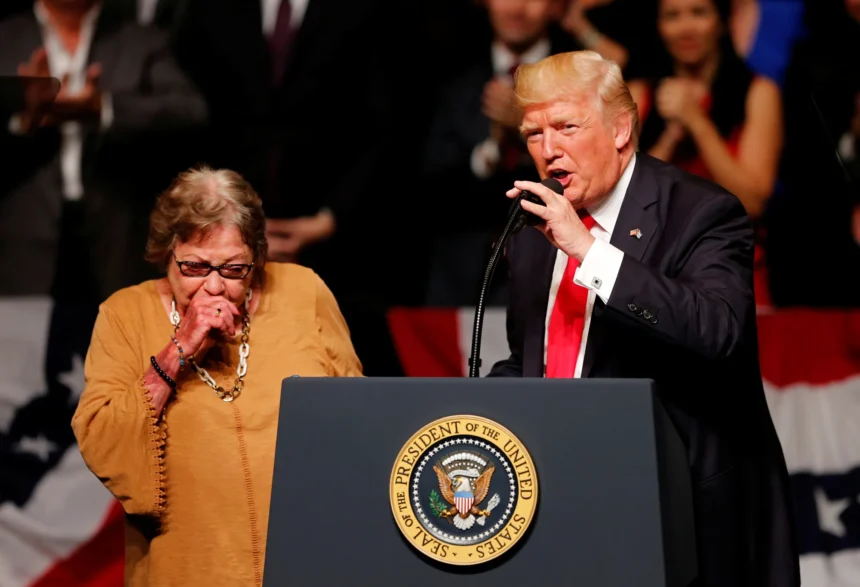
Donald Trump has openly said he wants to pressure Cuba’s government and believes the revolution is “ready to fall”. The US has declared Cuba a national security threat, expanded sanctions, and threatened tariffs on countries that supply oil to the island. These measures aim to isolate Cuba economically and politically.
Mexico and other potential oil suppliers have reduced shipments after Washington’s threats, pushing Cuba closer to near-total fuel shortages. Blackouts in Havana and other cities often exceed 15 hours a day, hitting hospitals, schools, and everyday life. With few alternatives available, rubbish piles on streets, sanitation services stall, and public morale dips.
Human Impact and Regional Response
The lack of fuel has deepened the humanitarian crisis. Cuba produces only a fraction of the energy it needs domestically, and without reliable imports, power outages and shortages dominate daily life. Hospitals struggle to function fully, and essential services falter.
In response to worsening conditions, Mexico has sent food and hygiene aid to Cuba, though this does little to solve the island’s energy problems. Caribbean leaders have also expressed concern about the humanitarian impact and called for diplomatic solutions.
Revolution at a Crossroads
Cuba’s leaders reject suggestions that the revolution is about to collapse, but fuel scarcity and economic strain pose serious questions about sustainability. The current crisis challenges the social gains that the revolution brought, from universal healthcare to education. Analysts say that prolonged shortages and social distress could undermine public confidence in the system over time.
What happens next depends on whether diplomatic talks, alternative energy sources, or regional support can ease the pressure. For now, many families struggle with daily shortages, and the revolution faces what some see as its toughest test in decades.