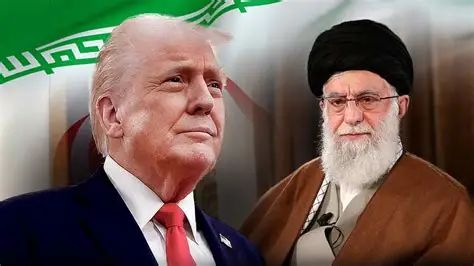
The day started with intense diplomatic activity in Washington as officials prepared for another round of peace talks between the United States and Iran. Plans were underway for Vice President JD Vance to travel to Islamabad. However, those plans changed quickly.
Within hours, the trip was delayed and negotiations were pushed back. President Donald Trump announced that he would extend the Iran ceasefire, which was set to expire soon. He said the extension would give Iran more time to present a “unified proposal” to end the conflict.
This move marked the second time in recent weeks that Trump stepped back from escalating tensions. Instead of increasing military pressure, he chose to create space for diplomacy as the conflict nears the two-month mark.
Uncertainty surrounded the planned talks from the beginning. Vance never formally confirmed his visit to Islamabad, and Iran did not officially agree to attend. This left US officials unsure whether to proceed with the trip.
As the situation evolved, signs of delay became clearer. Key members of the US negotiating team, including Steve Witkoff and Jared Kushner, returned to Washington instead of heading to Pakistan. Soon after, Vance joined senior officials at the White House for strategy discussions.
Later, Trump confirmed the ceasefire extension through his social platform. He explained that Pakistan had requested more time to help mediate discussions between Washington and Tehran. The decision aimed to keep diplomatic channels open rather than risk further escalation.
Unlike previous announcements, Trump did not specify a deadline for the extended ceasefire. Earlier in the month, he had set a two-week timeframe while also warning of possible military action if negotiations failed. This time, his approach appeared more flexible.
Experts say this strategy reflects a common pattern in global diplomacy. Leaders often combine pressure with negotiation offers to reach a resolution. The current approach may also show Trump’s intent to end a conflict that has affected global markets and raised concerns among his supporters.
Analysts believe internal divisions within Iran’s leadership could also play a role in the delay. At the same time, the extended ceasefire introduces uncertainty about how long the conflict will continue.
Overall, the decision highlights a careful balance between diplomacy and military strategy as both sides weigh their next steps.