The Mystery of ALS: Why Some People Develop This Progressive Disease
Amyotrophic lateral sclerosis (ALS), also known as Lou Gehrig’s disease, remains one of the most puzzling and devastating neurological conditions. Recent high-profile cases have brought renewed attention to the disease, including the deaths of actor Kenneth Mitchell on 24 February 2024, photographer Bryan Randall in August 2023, and actor Eric Dane in February 2026.
Mitchell, who appeared in Star Trek: Discovery and Captain Marvel, shared his journey on social media, reflecting on both the hardships and the support he received from family, friends, and caregivers. “This disease is absolutely horrific,” he wrote in 2023, describing the emotional and physical toll ALS takes.
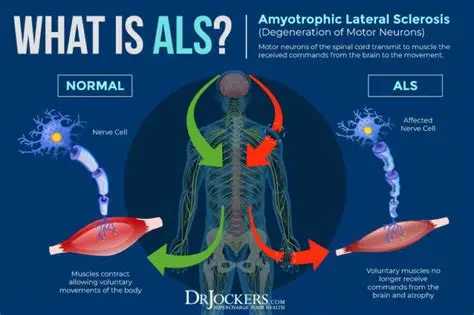
ALS is a form of motor-neurone disease (MND) that gradually destroys the motor neurons, the nerve cells responsible for voluntary muscle movement. As these neurons deteriorate, individuals slowly lose control over their bodies. It is estimated to affect around five people per 100,000 in the United States, occurring more commonly in men, with the average age of diagnosis around 60 years old. However, younger adults can also be affected.
While most people live only a few years after diagnosis, there are notable exceptions, such as physicist Stephen Hawking, who lived for decades after being diagnosed at age 21.
Understanding the Causes of ALS
The causes of ALS are complex. In 10–15% of cases, the condition runs in families due to inherited genetic mutations. Even in these inherited cases, the affected gene may differ from person to person, yet the outcomes remain similar. A family history of ALS does not guarantee that descendants will develop the disease, though anecdotes of related illnesses may appear in family stories.
Despite decades of research, the exact triggers of ALS remain largely unknown. However, recent studies are beginning to uncover potential genetic and environmental factors, offering hope that scientists may eventually decode why this debilitating condition affects some individuals while sparing others.