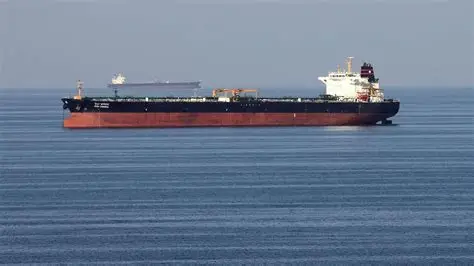
Shipping companies are refusing to pay Iran any fees for passing through the Strait of Hormuz, as tensions continue despite a recently announced ceasefire.
Industry leaders warn that the waterway remains unsafe. Many tanker operators have already suspended transit due to the risk of sudden attacks. The situation has created uncertainty in one of the world’s most important oil shipping routes.
Phillip Belcher, representing tanker group Intertanko, strongly criticized the idea of paying tolls. He stated that companies should not agree to such demands, as they contradict international maritime laws. According to him, ships should move freely through global waterways without interference.
Iran has indicated that vessels may need permission to pass through the strait. Officials also suggested that ships could face threats if they fail to comply. Reports claim Iran may charge up to $2 million per tanker, possibly sharing the revenue with Oman.
Meanwhile, JD Vance is holding talks with Iranian representatives in Islamabad. The goal is to stabilize the ceasefire and address ongoing disputes, including access to the strait. However, continued military activity in the region has weakened confidence in any agreement.
Belcher emphasized that tanker operators will avoid the route until conditions improve. He called for a complete halt to attacks and suggested international oversight to ensure safe passage. Without these measures, he believes the risk remains too high.
The situation has also raised concerns about the role of the Islamic Revolutionary Guard Corps (IRGC), which oversees much of Iran’s strategic operations. Some countries classify the group as a terrorist organization, making financial transactions with it highly controversial.
Global maritime authorities have also responded. The International Maritime Organization has urged all nations to respect freedom of navigation. Experts argue that imposing tolls on such a critical international route could disrupt global trade and energy supplies.
For now, tanker operators continue to avoid the Strait of Hormuz, waiting for clear guarantees of safety and compliance with international law.