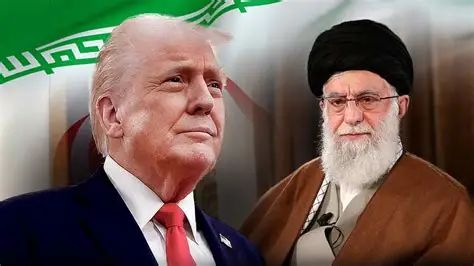
Global oil prices moved lower on Wednesday as markets reacted to a ceasefire extension between the United States and Iran.
President Donald Trump confirmed that the US would extend the pause in hostilities to allow more time for peace negotiations. He also stated that the US will maintain its blockade on Iranian ports until Tehran presents a “unified proposal.”
Following the announcement, Brent crude dropped by 0.8% to $97.60 per barrel. Meanwhile, West Texas Intermediate fell by 1% to $88.70. Prices had initially opened higher before reversing gains.
Energy markets have remained unstable since tensions escalated on 28 February. Military actions involving the US and Israel triggered strong reactions from Iran, including threats to disrupt shipping in the Strait of Hormuz.
This route is critical for global energy supply, as it carries nearly one-fifth of the world’s oil. Any disruption in this region quickly impacts prices and investor sentiment.
The original ceasefire agreement was set to expire soon, but Trump did not provide a new deadline for its extension. He suggested that internal divisions within Iran’s leadership could influence the pace of negotiations.
Diplomatic efforts also faced delays. Vice President JD Vance was expected to travel to Islamabad for talks, but officials later confirmed that the trip would not take place. Iran has yet to confirm whether it will participate in upcoming discussions.
Market analysts say uncertainty continues to shape oil price movements. Experts believe traders are reacting more to expectations than actual supply changes.
The ongoing conflict has already pushed oil prices higher in recent weeks. Iran’s threats to restrict access to the Strait of Hormuz and US plans to monitor shipping activity have added further pressure.
Overall, the ceasefire extension has provided temporary relief to markets. However, investors remain cautious as geopolitical tensions and diplomatic outcomes continue to influence global energy prices.