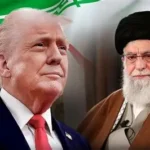


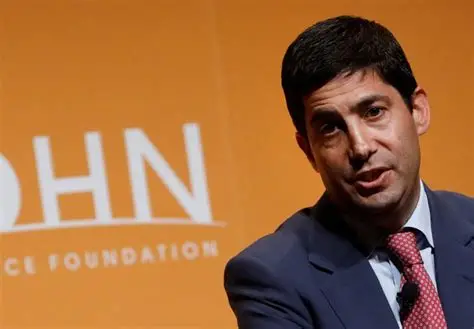
KEVIN WARSH faced intense scrutiny during his confirmation hearing to become the next chair of the Federal Reserve. The session quickly turned confrontational as Democratic senators raised concerns about his independence and past associations.
One of the most heated moments came when Elizabeth Warren questioned whether Warsh would act independently or follow the agenda of Donald Trump. She argued that placing someone too closely aligned with the president in charge of the central bank could create risks for economic fairness and accountability.
Warren warned that political influence over the Federal Reserve could allow misuse of its authority. She suggested that such a situation might benefit powerful financial interests rather than the broader public.
In response, Warsh firmly rejected the criticism. He stated that he would not serve as a political proxy and emphasized the importance of maintaining the Federal Reserve’s independence. He described the central bank’s autonomy as essential for ensuring long-term economic stability.
The hearing also touched on broader concerns about leadership at the Federal Reserve. Lawmakers questioned how Warsh would handle pressure from the administration, particularly on issues such as interest rates and economic policy.
Throughout the session, Warsh maintained that he would make decisions based on economic data and institutional principles rather than political demands. He pledged to protect the integrity and credibility of the central bank if confirmed.
The hearing highlighted ongoing tensions between political leaders and the Federal Reserve over its role in shaping the US economy. It also underscored the importance of independence in maintaining trust in financial institutions.