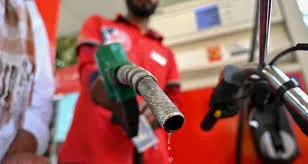
Oil Price Rises Above $120 Amid Fears of Prolonged Iran Blockade
The global energy market is under intense pressure as the oil price rises above $120, driven by escalating geopolitical tensions and fears of a prolonged blockade involving Iran. This sudden surge has triggered concerns across financial markets, industries, and households worldwide, as energy costs continue to climb.
Brent Crude Hits Multi-Year High
The benchmark Brent crude oil price surged past $120 per barrel on Wednesday, briefly touching $122, its highest level since 2022. This sharp rise reflects growing uncertainty in global supply, with traders reacting quickly to news of potential long-term disruptions.
The oil price rises above $120 not only signals immediate market anxiety but also highlights deeper concerns about the sustainability of global oil supply in the coming months.
Strait of Hormuz at the Center of the Crisis
A Critical Global Oil Route
At the heart of the issue is the Strait of Hormuz, one of the world’s most important النفط transit routes. Around 20% of global oil and liquefied natural gas passes through this narrow channel, making it extremely sensitive to conflict.
Rising Tensions and Shipping Disruptions
Iran has significantly restricted shipping in the region in response to US and Israeli military actions. The situation has worsened as threats to target vessels have increased, causing shipping delays and raising fears of a complete shutdown.
As a result, the oil price rises above $120 due to expectations of reduced supply and increased risk in transporting energy resources.
US Strategy and Extended Blockade Plans
Economic Pressure on Iran
Reports suggest that the United States is preparing for an extended blockade of Iranian ports to pressure the country economically. This strategy aims to limit Iran’s oil exports and weaken its financial stability.
High-Level Energy Talks
Senior energy executives recently held discussions with US leadership to evaluate the situation. Topics included domestic production, global supply chains, and strategies to minimize the impact on consumers.
Markets interpreted these discussions as a sign that the blockade could continue for an extended period, reinforcing the trend where the oil price rises above $120.
Global Economic Impact of Rising Oil Prices
Higher Fuel and Transportation Costs
One of the most immediate effects of rising oil prices is increased fuel costs. Petrol and diesel prices are expected to rise, directly affecting transportation and logistics industries.
Inflation Across Multiple Sectors
As energy costs increase, businesses pass these expenses on to consumers. This leads to higher prices for goods and services, contributing to inflation and reducing purchasing power.
The continued trend where the oil price rises above $120 could amplify these economic pressures globally.
Financial Markets React to Uncertainty
European Markets Decline
European stock markets experienced declines as investors reacted cautiously to rising oil prices and geopolitical risks. Major indices recorded losses amid concerns about economic slowdown.
Mixed Global Market Performance
While US markets showed mixed signals, Asian markets demonstrated resilience, recovering from earlier shocks caused by the conflict. However, uncertainty remains high across all regions.
Iran’s Economic Struggles Deepen
Inflation and Currency Devaluation
Iran is facing a severe economic crisis, with inflation exceeding 50% and its currency hitting record lows. These factors have significantly impacted everyday life for citizens.
Job Losses and Economic Instability
Millions of people have reportedly lost jobs due to the ongoing conflict and economic restrictions. The blockade has further limited the country’s ability to sustain its economy.
Future Outlook for Oil Prices
Continued Volatility Expected
Experts warn that oil markets will remain volatile as long as the conflict continues. Any further disruption in supply could push prices even higher.
Risk of Long-Term Supply Shortages
If the blockade persists, the risk of physical shortages increases, potentially leading to even steeper price rises across industries.
The fact that the oil price rises above $120 may not be a temporary spike but rather the beginning of a prolonged period of high energy costs.
Conclusion
The surge in global oil prices highlights the fragile nature of energy markets in times of geopolitical conflict. As the oil price rises above $120, its impact is being felt across economies, industries, and households worldwide. With no clear resolution in sight, the situation remains uncertain, and the global economy must prepare for continued volatility in the energy sector.