NBA Cancels Atlanta Hawks Strip Club Promotion After Magic City Backlash
The Atlanta Hawks strip club promotion was supposed to be a playful tribute to one of the city’s most famous nightlife institutions. Instead, it became a national argument about sports branding, women’s exploitation, Black Atlanta culture and where the NBA draws the line between local authenticity and league-wide image control.
The planned event, called “Magic City Monday,” was scheduled for the Hawks’ March 16 game against the Orlando Magic at State Farm Arena. The promotion was built around Magic City, the legendary Atlanta adult entertainment club known for its influence on hip-hop, sports culture, nightlife and the city’s food scene. The Hawks planned themed merchandise, music, a pregame podcast, lemon pepper wings and a halftime performance from Atlanta rapper T.I.
There were no announced plans for adult entertainment inside the arena. No dancers. No stage show. No strip-club performance during the game. The Hawks framed the night as a local-culture celebration, not an adult event.
The NBA still stepped in and canceled the Atlanta Hawks strip club promotion one week before the game. Commissioner Adam Silver said the league contacted Hawks leadership to understand the plan, but decided to stop the in-arena promotion after hearing concerns from “a broad array of league stakeholders,” including fans, partners and employees. The Hawks said they were disappointed, but respected the league’s decision.
That official explanation was short. The debate that followed was not.
What the Hawks Planned for Magic City Monday
The Atlanta Hawks strip club promotion was unusual, but it was not random. The opponent was the Orlando Magic. The venue was State Farm Arena, located close to the cultural orbit of downtown Atlanta. The partner was Magic City, a club that has spent decades sitting at the intersection of nightlife, rap, sports and celebrity.
The Hawks’ original plan included several pieces:
| Planned element | What it meant |
|---|---|
| Magic City-themed merchandise | A limited-edition Peachtree-inspired hoodie |
| Food | Magic City’s lemon pepper wings, including a Lou Williams-inspired version |
| Music | Pregame music and a halftime performance from T.I. |
| Live podcast | A discussion about Magic City’s impact on Atlanta culture |
| Local storytelling | A celebration of a venue the team called an “iconic cultural institution” |
| Game tie-in | Hawks vs Orlando Magic, making “Magic City Monday” a natural pun |
The idea was tied partly to Hawks principal owner Jami Gertz, who helped produce the Starz docuseries Magic City: An American Fantasy. That series explored the club’s history and its role in Atlanta’s music and Black cultural life. For the Hawks, the promotion was meant to say: this is Atlanta, this is local, this is part of the city’s story.
That is why some local fans understood the plan immediately. Magic City is not just a strip club in Atlanta’s public imagination. It is also a place connected with music discovery, celebrity nightlife, athlete culture and food — especially lemon pepper wings.
But outside Atlanta, the first phrase many people heard was simpler and sharper: an NBA team is honoring a strip club.
That gap between local meaning and national branding created the controversy.
Why the NBA Canceled It
The NBA’s decision was direct. The league announced on March 9 that it had canceled the planned in-arena promotion for the March 16 game. Adam Silver said the league appreciated the Hawks’ perspective but had heard enough concern from stakeholders to conclude that canceling the Atlanta Hawks strip club promotion was the right decision for the broader NBA community.
The NBA did not issue a long moral essay. It did not accuse the Hawks of bad intent. It did not say Magic City had no cultural value. It simply decided that the promotion created too much risk for the league’s public image.
That matters because the NBA is not only a basketball league. It is a global entertainment company with family audiences, corporate sponsors, broadcast partners, youth initiatives, women employees, WNBA ties, international fans and strict brand expectations. A promotion that works locally can still create trouble nationally if it sends the wrong message to partners or employees.
For league executives, the easiest calculation was probably this: even if the Hawks meant the event as a culture tribute, the NBA did not want to defend a strip-club collaboration during a nationally discussed game promotion.
That is the practical side of the Atlanta Hawks strip club promotion decision. The league chose brand safety over local experimentation.
The Backlash That Changed the Mood
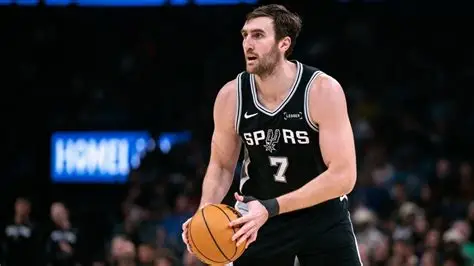
The Atlanta Hawks strip club promotion drew criticism before the NBA canceled it. San Antonio Spurs center Luke Kornet publicly objected to the event and urged the league and team to reconsider. Golden State Warriors veteran Al Horford, who began his career with the Hawks, also backed the criticism.
Kornet’s argument focused on the treatment and objectification of women in the adult entertainment industry. His concern was that an NBA franchise celebrating a strip club could make the league appear complicit in a culture that he believed can exploit women. Supporters of the cancellation saw that as a reasonable moral objection, especially for a league that markets itself to families and young fans.
But the criticism also triggered pushback. Some Atlanta voices argued that outsiders were flattening Magic City into a stereotype and ignoring the city’s cultural reality. Others said the promotion was not bringing adult entertainment into the arena and that critics were reacting to what they imagined rather than what was planned.
That disagreement turned the story into more than a sports marketing dispute. It became a question of who gets to define Atlanta culture, who gets to speak for women, and whether a league can celebrate hip-hop culture while distancing itself from spaces that helped shape it.
The Atlanta Response Was Different
The local response after the NBA canceled the Atlanta Hawks strip club promotion was more mixed than the national backlash suggested. At the March 16 game, some fans still wore Magic City gear or homemade hoodies. The Atlanta Journal-Constitution reported that supporters inside State Farm Arena saw the cancellation as overblown, confusing or disconnected from how the city understands Magic City.
That local reaction matters. Atlanta has a specific relationship with nightlife, rap, strip clubs, sports and Black entrepreneurship. Magic City has been name-checked by artists, visited by athletes and treated by many locals as a cultural landmark. That does not erase the ethical concerns around adult entertainment, but it explains why many fans did not see the promotion as shocking.
The NBA was thinking nationally. Many Atlanta fans were thinking locally.
That is the heart of the conflict. A city can view a place as part of its identity while a national league views the same place as a reputational risk. Both reactions can exist at once.
The Hawks tried to stand in the middle. They said they remained committed to celebrating the best of Atlanta “with authenticity” in ways that unite people. That line showed disappointment, but also acceptance. The team did not publicly fight the league.
What Actually Happened on Game Night
The game still happened on March 16. The Hawks played the Orlando Magic at State Farm Arena and won 124-112, extending their winning streak to 10 games. But Magic City Monday did not happen in its original form.
Some elements remained. T.I. still performed at halftime. Lemon pepper wings were still available in the arena, although reports said they were not being served as the original Magic City-branded promotion. Fans still showed up in Magic City apparel, and the debate remained visible in the building.
Other elements were removed. The live podcast tied directly to Magic City was canceled. The in-arena promotional framing was gone. The special merchandise sale was no longer presented as part of the official game-night promotion, though pre-ordered items were reportedly honored.
That outcome created a strange half-version of the night. The culture was still present because Atlanta fans brought it with them. The official league-approved promotion was not.
In a way, that made the cancellation more revealing. The NBA could stop the Hawks from branding the event. It could not stop fans from treating Magic City as part of Atlanta basketball culture.
The Lou Williams Connection
One reason the Atlanta Hawks strip club promotion made instant sense to NBA fans was Lou Williams. In 2020, Williams became linked forever with Magic City after leaving the NBA’s COVID-era bubble for an approved absence and then visiting the club while away. He later said he went for food, especially the wings. The episode led to quarantine and jokes about “Lemon Pepper Lou.”
That story became part of NBA folklore. It also helped make Magic City’s wings famous beyond Atlanta. The Hawks planned to include a Lou Williams-inspired lemon pepper BBQ wing option as part of the promotion.
For supporters, that made the night funny and self-aware. It connected a real NBA story, a famous Atlanta venue and the Hawks’ home identity. For critics, it may have made the promotion look even more like the league was normalizing a strip-club brand.
The same detail therefore worked in opposite directions. To Atlanta fans, it was a wink. To the NBA office, it was probably another reason the promotion could spiral.
Why the NBA’s Decision Was Understandable
The strongest argument for canceling the Atlanta Hawks strip club promotion is not hard to understand. The NBA has to consider more than one city. It has to consider league values, employees, sponsors, family audiences, women fans, youth programs and the message sent by official team promotions.
Even if no adult entertainment was planned, the brand being promoted was still an adult entertainment venue. That distinction may not satisfy sponsors or employees who believe the league should avoid using an NBA game to celebrate a strip club.
The league also had to think about precedent. If the Hawks can host Magic City Monday, what stops another team from partnering with a different adult venue? What happens if a future promotion is less culturally rooted and more purely commercial? Where does the NBA draw the line?
From that view, Silver’s decision was risk management. The league did not need to decide every moral question about Magic City. It only needed to decide whether an NBA arena should host an official promotion tied to a strip club.
The NBA said no.
Why the Cancellation Also Looked Clumsy
The strongest argument against the cancellation is also clear. The NBA appeared to misunderstand the local cultural meaning of Magic City and respond only after national pressure. The Hawks had publicly announced the event. The promotion was already being discussed. Fans were interested. Merchandise demand appeared strong. Then the league stopped it only after backlash grew.
That made the decision look reactive rather than principled.
Critics also pointed out that the NBA already sells entertainment that borrows from nightlife, hip-hop, celebrity culture, gambling partnerships, alcohol advertising and sexualized performance styles. To them, canceling the Atlanta Hawks strip club promotion looked selective. The league was comfortable with parts of Atlanta culture when they were cleanly packaged, but not with one of the spaces that helped produce that culture.
That is why some commentators called the decision hypocritical. They argued that Magic City’s influence has helped shape the music and sports culture the NBA routinely benefits from. If the league celebrates Atlanta rap, arena nightlife and celebrity energy, critics asked, why panic when the Hawks name one of the places behind that culture?
That argument does not eliminate concerns about women’s exploitation. But it does complicate the NBA’s moral posture.
The Women’s Rights Question Cannot Be Ignored
Any serious article about the Atlanta Hawks strip club promotion has to hold two truths at the same time.
First, adult entertainment can involve exploitation, unsafe conditions, objectification and economic pressure. Some women’s advocates are right to question whether a family-focused sports league should celebrate a strip club as a promotional partner.
Second, not every woman connected to adult entertainment sees herself as a victim, and not every local defender of Magic City is ignoring harm. Some former dancers and supporters see the club as work, culture, community, performance and entrepreneurship. Ignoring their voices can become its own form of paternalism.
The mistake is pretending the issue is simple.
If the NBA’s concern was women’s dignity, it should be prepared to examine its broader entertainment ecosystem too. That includes cheerleading traditions, dancer pay, fan behavior, player misconduct policies, sponsorship categories and how the league handles women employees behind the scenes.
If Atlanta’s defenders want Magic City treated as a cultural institution, they should also be willing to discuss the labor conditions, safety and dignity of the women whose performances helped make the venue famous.
The best debate is not “strip clubs are good” or “strip clubs are bad.” It is whether the NBA can engage with adult-adjacent cultural history responsibly, honestly and without turning women into talking points.
Brand Authenticity Has Limits
The Hawks’ idea came from a real marketing trend: teams want to feel local. They do not want every arena promotion to look the same. Fans respond to city-specific culture, food, music, jokes and references. A team in Atlanta should not feel exactly like a team in Salt Lake City, Toronto or Orlando.
That is smart. Sports brands are strongest when they belong to a place.
But the Atlanta Hawks strip club promotion showed that authenticity has limits in a national league. A local reference may be meaningful to one audience and unacceptable to another. That does not automatically mean the local reference is wrong. It means the team has to think carefully about how the promotion will travel beyond the city.
A better rollout might have helped. The Hawks could have explained the promotion more clearly from the start: no adult entertainment, no explicit content, focus on food, music, documentary history and Atlanta culture. They could have included women’s voices, former dancers, community leaders and labor perspectives in the planning. They could have prepared a stronger answer to the obvious criticism.
Instead, the national story became “NBA team honors strip club.” Once that headline took over, the league’s tolerance disappeared.
What Other Teams Will Learn
Other NBA teams will study this carefully. The lesson is not that local culture promotions are dead. The lesson is that teams need to identify reputational risks before the announcement goes live.
A strong review should ask:
- Does the partner align with league values?
- Could the promotion alienate employees or sponsors?
- Is the local meaning clear to national audiences?
- Are there age-sensitive or family-audience concerns?
- Could the promotion be misunderstood in one headline?
- Are affected communities represented in the planning?
- Is the team ready to defend the event publicly?
The Hawks may have expected controversy. They may not have expected the commissioner’s office to shut it down completely. Future teams will be more cautious.
This does not mean every promotion will become bland. It means the most ambitious promotions will need better framing, stronger stakeholder checks and earlier league approval.
The News Ink’s coverage of the Live Nation settlement shows a similar entertainment-business lesson: culture, money and public accountability often collide when major brands control access to shared experiences.
Why This Became Bigger Than One Game
The Atlanta Hawks strip club promotion became a larger story because it touched several pressure points at once.
It was about sports marketing. It was about Atlanta identity. It was about strip clubs and women’s exploitation. It was about Black cultural spaces. It was about the NBA’s family-friendly image. It was about who gets to decide what counts as legitimate culture. It was about whether national institutions often profit from local culture while policing the people and places that created it.
That is a lot for one regular-season game against Orlando to carry.
But modern sports work this way. Teams are no longer only judged by wins and losses. They are judged by partnerships, social messages, halftime shows, food vendors, sponsor categories, community programs and cultural signals. A promotion can become a referendum on the entire league.
The Hawks wanted a memorable local night. They got one, but not in the way they intended.
The Hawks Still Won the Room in One Sense
The NBA canceled the official event, but the reaction inside State Farm Arena showed that the Hawks had tapped into something real. Fans wore Magic City gear. People discussed the decision. T.I. still performed. Atlanta’s cultural pride was not erased by the league office.
That does not mean the NBA made the wrong decision. It means the Hawks understood a piece of their city better than the league may have expected.
Sports teams often talk about being authentic. The Hawks actually tried something authentic, even if it was risky. The challenge is that authenticity is rarely neat. Real city culture includes contradictions, adult spaces, nightlife, controversy, history, pride and discomfort.
The NBA preferred a cleaner version. That is what leagues often do.
For more sports culture context, The News Ink’s coverage of Victor Wembanyama’s comeback win and wider football analysis shows how teams and leagues increasingly operate as entertainment brands, not just sporting competitions.
What Adam Silver’s Decision Says About the NBA
Adam Silver has built a reputation as a commissioner comfortable with player voices, social issues and modern entertainment culture. But the Atlanta Hawks strip club promotion tested a different kind of issue. It was not a simple political slogan or social-justice campaign. It involved sex work, gender concerns, local Black culture, corporate sponsors and family branding at the same time.
Silver chose caution. That is not surprising. Commissioners are paid to protect the league.
The decision suggests the NBA will allow edgy local culture only up to the point where it does not threaten national partners or internal stakeholders. Teams can celebrate music, food, fashion and nightlife aesthetics. But officially partnering with an adult entertainment venue was a step too far.
That line may frustrate fans who see the league as hypocritical. It may reassure employees and partners who felt uncomfortable. It may make future teams less adventurous. It may also push franchises to involve the league earlier before announcing culturally sensitive promotions.
Either way, the decision gives teams a new rule of thumb: local authenticity cannot override league-wide brand risk.
The Bottom Line
The NBA canceled the Atlanta Hawks strip club promotion because league leaders decided Magic City Monday created too much concern among fans, partners and employees. The Hawks had planned a March 16 tribute to Magic City during their game against the Orlando Magic, featuring food, music, merchandise and local storytelling. There were no announced plans for adult entertainment inside State Farm Arena.
The cancellation was understandable from a league-brand perspective. The NBA did not want an official team promotion tied to a strip club, even one with deep cultural roots in Atlanta. Adam Silver chose the safer route for a global league with family audiences and corporate partners.
But the decision also exposed a cultural gap. Many Atlanta fans saw Magic City as part of the city’s music, food, sports and nightlife identity. Critics saw the promotion as inappropriate and potentially disrespectful to women. Supporters saw the cancellation as outsiders misunderstanding Atlanta.
That is why the Atlanta Hawks strip club promotion will be remembered as more than a canceled theme night. It became a case study in what happens when local culture meets national branding — and when a league that sells entertainment decides some parts of entertainment are too risky to touch.
For more sports, culture and entertainment-business coverage, follow The News Ink on Medium or read our latest analysis on the Live Nation antitrust case.