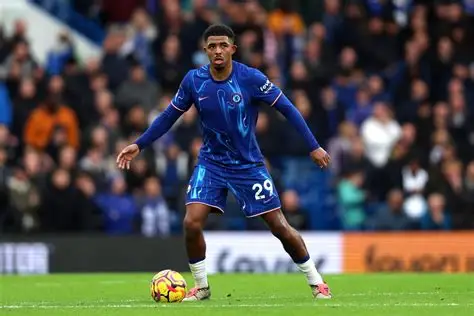
The 1-1 match at Stamford Bridge was overshadowed by online abuse directed at both players. Fofana, who was sent off after receiving a second yellow card, shared screenshots of hateful private messages he received on Instagram.
In a powerful statement, he wrote that despite ongoing anti-racism campaigns, meaningful change remains limited. He questioned why individuals responsible for such behaviour often escape punishment.
Mejbri, who represents Tunisia internationally, also revealed an offensive message sent to him online. In response, he urged people to “educate yourself and your kids,” highlighting the continued presence of racism in football and society in 2026.
Clubs Respond With Strong Statements
Chelsea described the abuse as “vile” and “abhorrent,” stressing that racism has no place in the sport or within the club’s values. The club pledged full support to Fofana and confirmed they would work alongside authorities and social media platforms to identify those responsible and pursue the strongest possible action.
Burnley issued a similarly firm response, condemning the behaviour and confirming that the abusive content had been reported to Meta, the parent company of Instagram. The club also stated it would cooperate with the Premier League and law enforcement to ensure the perpetrator is investigated.
Both clubs reaffirmed their zero-tolerance stance toward discrimination.
Premier League and Wider Context
The Premier League also condemned the abuse, stating that anyone found guilty of discriminatory behaviour could face stadium bans and potential legal consequences.
Unfortunately, these incidents are not isolated. Recent cases of racial abuse have targeted players across domestic and international competitions.
Vinicius Junior was reportedly racially abused during a Champions League fixture, prompting an investigation by UEFA.
Earlier this season, Newcastle midfielder Joe Willock faced racist threats online, while Tottenham forward Mathys Tel received abuse after a Super Cup penalty shootout defeat.
International players have also been targeted. England’s Jess Carter endured racist abuse during Euro 2025, and following the Euro 2020 final, Marcus Rashford, Jadon Sancho, and Bukayo Saka were subjected to widespread racism after missing penalties.
In another case, a Premier League match between Liverpool and Bournemouth was briefly halted after alleged racist abuse from the crowd. Legal proceedings in that case are ongoing.
A Continuing Fight Against Discrimination
Despite major awareness campaigns and strict regulations, racist abuse remains a persistent issue in football. Players, clubs, and governing bodies continue to demand accountability, stronger enforcement, and better monitoring of online platforms.
Fofana and Mejbri’s decision to speak out once again highlights the urgent need for education, action, and systemic change.
Football’s message is clear: there is no room for racism—on the pitch, in the stands, or online.