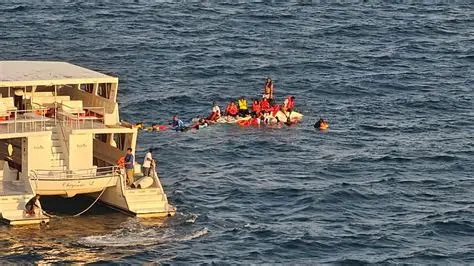
Cruise Ship Faces Health Crisis After Hantavirus Outbreak
A luxury expedition cruise has turned into a major international health emergency after several passengers and crew members developed symptoms linked to hantavirus infection.
The cruise ship MV Hondius is currently sailing toward the Canary Islands after remaining anchored for several days near Cape Verde.
Health authorities and international agencies continue to monitor the situation closely following multiple deaths, emergency evacuations, and confirmed infections connected to the voyage.
Passengers Evacuated for Emergency Treatment
Medical teams evacuated three passengers from the ship after their conditions worsened.
The evacuated individuals include:
- A British passenger
- A Dutch crew member
- A German traveler
Two of the patients arrived in the Netherlands in serious condition for specialized treatment. A third evacuation flight experienced delays but remained under medical supervision.
Officials stated that the German patient had close contact with a German woman who died onboard earlier this month.
The British passenger, identified by several reports as former police officer Martin Anstee, remains in stable condition while receiving treatment.
Three Deaths Raise Global Concern
Three individuals connected to the voyage have died since the ship departed from Argentina about a month ago.
One of the deceased passengers, a 69-year-old Dutch woman, left the ship during a stop at Saint Helena before later dying in South Africa.
Her death is currently under investigation as a suspected hantavirus case.
Authorities also confirmed that her husband died onboard earlier during the voyage, although officials have not yet confirmed whether his death directly resulted from hantavirus infection.
The growing number of fatalities has increased concern among health agencies worldwide.
What Is Hantavirus?
Hantavirus refers to a group of viruses primarily spread through contact with infected rodents, especially through droppings, urine, or saliva.
Symptoms often begin with:
- Fever
- Fatigue
- Muscle pain
- Headaches
- Chills
In severe cases, patients may develop dangerous respiratory complications that require urgent hospitalization.
Some strains can also spread between humans under specific conditions.
Andes Strain Sparks Additional Concern
Health experts identified the Andes strain of hantavirus in some confirmed patients linked to the cruise outbreak.
The Andes strain differs from many other hantaviruses because scientists have previously documented limited human-to-human transmission during outbreaks in Latin America.
This discovery has prompted intensified monitoring and contact tracing efforts across multiple countries.
South African health officials confirmed laboratory testing detected the Andes variant in at least two patients associated with the ship.
International Contact Tracing Underway
Global health agencies have launched extensive tracing operations to identify and monitor people who may have had contact with infected passengers.
Authorities are tracking:
- Cruise passengers
- Crew members
- Airline passengers
- Medical staff
- Transportation workers
The World Health Organization confirmed that a passenger who returned to Switzerland tested positive for hantavirus and is receiving treatment in Zurich.
Officials said the patient sought medical attention after receiving an alert from the cruise operator regarding the onboard health emergency.
Airline Worker Hospitalized After Exposure
Separately, health authorities are also monitoring a flight attendant who reportedly came into contact with an infected passenger during travel through South Africa.
The crew member later developed symptoms associated with hantavirus and was admitted to a hospital in Amsterdam for observation and treatment.
The situation highlights how quickly infectious disease concerns can spread internationally through global travel networks.
Cruise Ship Remains Under Strict Precautions
Despite the outbreak, 146 passengers and crew members remain aboard the ship.
Oceanwide Expeditions stated that strict safety measures are currently in place, including:
- Health monitoring
- Isolation protocols
- Enhanced sanitation procedures
- Restricted onboard movement
Medical teams continue assessing passengers for symptoms while coordinating with international health authorities.
US Health Departments Monitor Travelers
Health departments in multiple American states are also monitoring former passengers who left the ship earlier during the voyage.
Officials in:
- Georgia
- Arizona
confirmed they are monitoring several returning travelers.
At present, none of those individuals are showing symptoms of infection.
Authorities stressed that early monitoring helps reduce the risk of wider transmission.
Why the Situation Has Become So Serious
Several factors have made this outbreak especially concerning:
1. International Exposure
Passengers onboard came from more than 20 countries, increasing the possibility of global spread.
2. Human-to-Human Transmission Risk
The Andes strain has demonstrated limited person-to-person transmission in previous outbreaks.
3. Delayed Symptoms
Hantavirus symptoms can take days or weeks to appear, complicating detection efforts.
4. Cruise Ship Environment
Cruise ships create close-contact conditions where illnesses can spread more easily.
Key Developments So Far
- Three people linked to the cruise have died
- Multiple passengers tested positive for hantavirus
- Emergency medical evacuations took place
- International health agencies launched contact tracing
- The cruise ship is sailing toward the Canary Islands
- More than 140 people remain onboard under precautions
Hantavirus Outbreak Timeline
| Event | Details |
|---|---|
| Cruise Departure | Ship departed Argentina |
| First Illnesses Reported | Passengers developed symptoms onboard |
| Initial Death | Passenger died during voyage |
| Medical Evacuations | Three individuals evacuated |
| Confirmed Cases | WHO confirmed multiple infections |
| Current Status | Ship continues toward Canary Islands |
Experts Urge Calm but Continued Vigilance
Health experts emphasize that hantavirus outbreaks remain relatively rare compared to more common viral diseases.
However, authorities continue to take this situation seriously because of:
- International travel exposure
- Confirmed severe cases
- Possible human transmission
- Ongoing investigations into multiple deaths
Officials encourage travelers and passengers to report symptoms quickly and follow medical guidance.
Cruise Industry Faces Renewed Health Concerns
The outbreak has once again highlighted the challenges cruise operators face in managing infectious diseases onboard ships.
Cruise vessels combine:
- Shared dining areas
- Close living quarters
- International passenger groups
- Extended travel periods
These conditions can complicate outbreak management and emergency medical response efforts.
Operators may now face increased scrutiny regarding onboard health protocols and disease prevention measures.
What Happens Next?
Health authorities continue to investigate:
- The exact source of the outbreak
- Whether human transmission occurred
- Additional suspected cases
- Long-term exposure risks
Meanwhile, passengers remaining onboard continue traveling under strict medical observation as the ship heads toward Spain’s Canary Islands.
Officials are expected to release additional updates as laboratory testing and investigations continue.
Conclusion
The hantavirus outbreak aboard the MV Hondius has developed into a complex international public health concern involving multiple countries, emergency evacuations, and ongoing investigations.
While authorities work to contain the situation, global health experts continue tracing contacts and monitoring potentially exposed travelers.
The incident serves as another reminder of how rapidly infectious diseases can spread through international travel and why coordinated global health responses remain critical.