Data Breach Response: 8 Urgent Steps to Protect Your Information
A data breach can feel distant until a company sends an email saying that your personal information may have been exposed. The affected information could be as limited as an email address, or it could include passwords, payment details, identification documents, medical records or other sensitive data. The right data breach response depends on what was leaked, but waiting passively is rarely the best choice.
A calm and organized data breach response can reduce the chance that exposed information leads to account theft, identity fraud or convincing follow-up scams. You do not need to understand advanced cybersecurity to take useful action. The priority is to confirm the breach through a trusted source, identify the information at risk and protect the accounts that could cause the greatest harm if misused.
The data breach response plan below explains eight practical steps to follow after a breach notification or credible report. It is written for individuals and families. Businesses handling customer information may also have legal and regulatory duties that require specialist advice.
What Is a Data Breach?
A data breach happens when sensitive or personal information is accessed, disclosed or exposed to people who are not authorized to see it. The incident may involve a hacked database, a stolen device, an accidental disclosure, a compromised cloud account or information sent to the wrong recipient.
Not every breach creates the same level of risk. A leaked email address may increase the chance of targeted spam or phishing. A leaked password can expose accounts, especially when it has been reused. A stolen card number may require immediate contact with a bank. Government identification details can create a longer-term identity-theft risk.
The Australian Signals Directorate’s breach guidance recommends securing accounts, changing exposed passwords and checking recent device and transaction activity. The UK National Cyber Security Centre also advises people to confirm a reported incident through an organization’s official channels rather than trusting links inside unexpected messages.
For a broader explanation of safer online habits, read The News Ink’s cybersecurity guide.
Why Your Data Breach Response Should Match the Information Exposed
A useful data breach response begins with one question: what information was actually involved? A stolen password needs a different response from an exposed home address. A leaked debit-card number requires a different response from a compromised social-media username.
Use this table as a starting point:
| Information Exposed | Main Risk | First Action |
|---|---|---|
| Email address or phone number | More convincing scam messages | Watch for phishing and verify unexpected requests |
| Password | Account takeover and credential stuffing | Change it immediately and replace it anywhere it was reused |
| Payment-card details | Unauthorized transactions | Contact the bank or card issuer through a trusted number |
| Banking credentials | Financial theft | Contact the bank immediately and secure the account |
| Government ID or tax details | Identity fraud | Follow local identity-theft guidance and consider extra monitoring |
| Home address and personal details | Impersonation and targeted scams | Be cautious with calls, texts and messages using private details |
| Medical or insurance information | Fraud and privacy harm | Contact the relevant provider and follow the breach notice carefully |
The breach notification should explain what happened, which information may be affected and what the organization recommends. If the message is vague, contact the organization independently through its official website, app or a phone number you already trust.
Data Breach Response Step 1: Confirm the Breach Through an Official Channel
The first step in any data breach response is verification. Criminals know that people become anxious after hearing about a major leak. They may send fake breach notices containing harmful links, false support numbers or login pages designed to steal even more information.
Do not click a link simply because an email looks professional. Open the company’s official app, type the known web address yourself or locate the organization’s verified contact details independently. Ask whether a breach occurred, whether your information was affected and which types of data were exposed.
The NCSC specifically recommends contacting the organization through its official website or social channels and avoiding the links or contact details included in messages you receive. This simple habit protects you from a scam disguised as a security warning.
Data Breach Response Step 2: List the Information at Risk
A rushed data breach response can lead to unnecessary panic. Instead, write down exactly what may have been exposed. Separate confirmed information from details that remain uncertain. Keep the original breach notice, the date you received it and any case or reference number.
Your list might include:
- Email addresses and phone numbers
- Usernames and passwords
- Payment-card or bank details
- Identification numbers
- Copies of passports, driving licences or other documents
- Home address, date of birth or security-question answers
- Medical, insurance or employment records
The purpose is not to create paperwork for its own sake. A written list helps you choose the right actions and avoid forgetting an important account. It also makes conversations with banks, service providers or identity-support organizations more efficient.
Data Breach Response Step 3: Change Exposed Passwords
If a password may have been exposed, change it immediately by opening the official website or app directly. Do not use the reset link in an unexpected message unless you have independently confirmed that the notice is genuine.
Your data breach response should also include every other account where you reused the same password or a close variation. Criminals often test stolen email-and-password combinations against other services. A password leaked by a shopping website can therefore threaten an email account, streaming service or social-media profile.
Use a different password for every important account. A reputable password manager can generate and store unique credentials so that one breach does not unlock several services. Start with your primary email account because it is often used to reset passwords elsewhere.
Data Breach Response Step 4: Turn On Multi-Factor Authentication
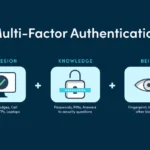
After changing passwords, strengthen important accounts with multi-factor authentication. This adds another login check, such as an authenticator-app code, a device prompt, a passkey or a physical security key. If a criminal still knows an old or newly stolen password, that extra barrier can stop the login.
Prioritize these accounts:
- Your main email account
- Banking and payment services
- Password manager
- Cloud storage
- Work or school accounts
- Social-media profiles
- Shopping accounts that store payment information
Never approve an unexpected login prompt or share a verification code with someone who contacts you. Scammers sometimes use stolen information to make their requests sound believable. The purpose of multi-factor authentication is to block unauthorized access, not to create a code that you read aloud to a caller.
Data Breach Response Step 5: Check Financial Accounts
If the exposed information includes card details, banking credentials or personal data that could support financial fraud, review your accounts carefully. Look for unfamiliar purchases, transfers, new payees or changes to contact details. Contact your bank or card provider immediately through the number on the back of your card, the official app or a trusted website.
Ask what action is appropriate for your situation. The provider may recommend replacing a card, resetting online-banking credentials, monitoring transactions or placing additional protections on the account. Keep notes of the date, time and outcome of the conversation.
Do not ignore a very small unfamiliar transaction. Criminals sometimes test whether a payment method works before attempting a larger purchase. Your data breach response should treat unknown activity seriously without assuming that every routine charge is fraudulent.
Data Breach Response Step 6: Watch for Follow-Up Scams
A breach can create a second wave of risk. Criminals may use exposed information to make emails, calls and text messages sound more convincing. A message that includes your name, phone number, address or recent account details can feel trustworthy even when it is fraudulent.
Learn the warning signs of phishing scams. Be especially cautious when a message:
- Creates urgency or fear
- Requests a password, payment or login code
- Tells you to click a link to secure an account
- Uses private details to gain trust
- Claims to come from a bank, delivery company or support team
- Asks you to move the conversation to another platform
- Pressures you not to contact anyone else
A strong data breach response includes a new habit: verify sensitive requests through a separate channel. Call the person or organization using contact details you already trust. Do not let an incoming message decide how you confirm its own authenticity.
Data Breach Response Step 7: Use Identity-Theft Protections
When identification details, tax information or other sensitive records are exposed, the risk may last longer than a few days. Criminals may attempt to open accounts, apply for credit or misuse personal information later. The correct data breach response depends on your country and the information involved.
In the United States, IdentityTheft.gov provides a step-by-step route for people whose information was lost, stolen or exposed in a breach. It distinguishes between cases where information has already been misused and situations where the person is taking preventive steps.
US readers may also consider a fraud alert or a security freeze. The Consumer Financial Protection Bureau explains that a fraud alert requires creditors to take steps to verify identity before opening new credit, while a security freeze generally prevents new credit from being opened until the freeze is lifted. These tools apply to the US credit system. Readers elsewhere should follow the guidance of their national regulator, identity-support service or financial institutions.
Data Breach Response Step 8: Monitor Accounts and Report Misuse
A data breach response does not end after changing one password. Review account activity regularly over the following weeks and months. Look for unfamiliar logins, password-reset emails, new devices, changed recovery settings and transactions you do not recognize.
Keep a record of:
- The breach notice and date received
- The information believed to be exposed
- Passwords and accounts you changed
- Banks, companies or agencies you contacted
- Screenshots of suspicious activity
- Reference numbers and written replies
- Any reports made to the relevant authority
If your information has already been used, report the identity theft or fraud through the appropriate channel in your country. In the UK, the Information Commissioner’s Office explains the steps individuals can take after an organization has mishandled their information and provides guidance on raising a data-protection complaint. Australian readers can use the government’s report and recover hub. Other countries have their own reporting systems.
A Simple Data Breach Response Checklist
This data breach response checklist can help you act quickly. Save the data breach response steps so you can refer to them during a stressful situation:
| Timeframe | Action |
|---|---|
| Immediately | Confirm the breach through an official channel |
| Immediately | Identify which information was exposed |
| Same day | Change exposed passwords and remove password reuse |
| Same day | Enable multi-factor authentication on important accounts |
| Same day | Contact your bank if financial details may be at risk |
| Next few days | Watch closely for targeted phishing and impersonation |
| Next few days | Use local identity-theft protections where appropriate |
| Ongoing | Monitor accounts, save evidence and report misuse |
Mistakes to Avoid After a Data Breach
Your data breach response becomes more effective when you avoid common mistakes:
- Clicking links inside an unverified breach notice
- Changing only one password when the same credential was reused elsewhere
- Ignoring your email account while protecting less important services
- Sharing a verification code with a caller or message sender
- Assuming that no immediate fraud means there is no future risk
- Paying for a service before understanding what it actually provides
- Discarding the breach notice and losing useful reference details
- Treating every breach as identical without checking the information exposed
Frequently Asked Questions About Data Breach Response
What should I do first after a data breach?
Confirm the incident through the organization’s official app, website or independently verified contact details. Do not trust a link or phone number inside an unexpected message. Then identify which information was exposed.
Do I need to change every password?
Change the exposed password immediately. Also replace it anywhere you reused the same password or a close variation. Use unique credentials for every important account.
Should I cancel my bank card after a breach?
Contact your bank or card issuer through an official channel and follow its advice. The correct action depends on the information exposed and whether suspicious transactions have appeared.
Can a leaked email address cause serious problems?
An exposed email address does not automatically give a criminal access to your accounts, but it can make targeted phishing more likely. Be cautious with unexpected login alerts, payment requests and security messages.
How long should I monitor my accounts?
Continue monitoring after the immediate response, especially when sensitive identity details were exposed. Some misuse may appear later rather than immediately.
Is credit monitoring the same as a security freeze?
No. Monitoring may alert you after a change occurs. A security freeze can generally prevent new credit from being opened in your name until you lift it. Credit protections vary by country.
Protect Your Information With a Calm, Ordered Response
An effective data breach response is methodical rather than fearful. Confirm the incident, identify the exposed information, secure important accounts and watch for follow-up scams. Contact your bank when financial data is involved, and use identity-theft protections when sensitive records create a longer-term risk.
The best data breach response also improves your security after the immediate problem has passed. Use unique passwords, enable multi-factor authentication and remain cautious when a message asks you to act urgently. For more practical advice, read The News Ink’s cybersecurity guide and follow our WhatsApp channel for useful updates.