Costa del Cheltenham Turns Benidorm Into a Racing Festival by the Sea
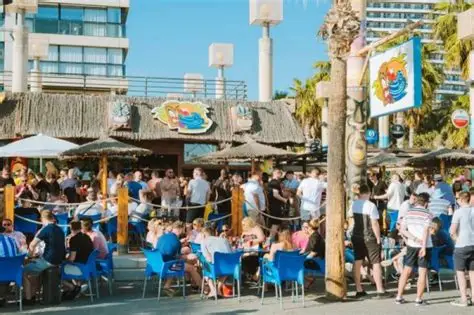
Costa del Cheltenham has grown from a playful nickname into one of the most revealing travel trends around British horse racing. During the 2026 Cheltenham Festival, thousands of supporters swapped Gloucestershire’s grandstands, winter coats and premium-priced accommodation for Benidorm’s hotel terraces, packed sports bars and Mediterranean sunshine.
The races still unfolded at Prestbury Park from 10 to 13 March, but part of the atmosphere had moved more than 1,000 miles south. Benidorm’s screens showed every finish as holidaymakers followed the betting, cheered British and Irish-trained horses and carried the celebrations into the resort’s nightlife. It was a parallel social experience built around the same four days.
The immediate explanation was price. A reported On the Beach offer advertised five nights all-inclusive for about £330, while the travel company was said to have recorded a 65% year-on-year increase in Benidorm bookings for festival week.
That figure should be treated as a company booking claim rather than a complete measure of how many racegoers travelled, but it captured the strength of demand. Costa del Cheltenham was no longer a curiosity noticed by a few regular visitors.
The trend also arrived at an important moment for the original festival. Cheltenham had been responding to several years of falling attendance, complaints about overcrowding and persistent questions about value. Its organisers cut the daily capacity, froze some ticket prices and reduced the cost of Guinness before the 2026 meeting.
Attendance eventually rose to 226,223 across the four days, showing that the racecourse retained enormous pulling power even as Costa del Cheltenham offered fans a very different way to take part.
Costa del Cheltenham at a Glance
The two experiences are connected by the same racing programme but shaped by different priorities.
| Detail | Benidorm experience | Cheltenham Racecourse experience |
|---|---|---|
| Main attraction | Live race broadcasts in bars, hotels and outdoor venues | Watching the horses and jockeys live |
| Typical atmosphere | Holiday nightlife, casual clothing and group travel | Traditional race-day dress, betting ring and grandstands |
| Weather | Usually milder Mediterranean conditions in March | Variable early-spring weather in Gloucestershire |
| Main cost pressure | Flights, hotel package, transfers and spending money | Tickets, UK transport, accommodation, food and drink |
| 2026 evidence | Reported 65% rise in festival-week bookings | 226,223 attendees across four days |
| What cannot be replicated | Live sporting spectacle | Beach holiday and resort nightlife |
Costa del Cheltenham works because it does not reproduce Cheltenham perfectly. Fans accept that they will not see the parade ring or feel the live crowd. In return, they receive several days of racing within a packaged holiday, often with meals or entertainment included.
The real decision is between two different short breaks: one built around a historic sporting venue and the other around sunshine, accommodation and nightlife.
Why Benidorm Became the Natural Alternative
Benidorm has spent decades building an infrastructure suited to British group travel. It has a large hotel supply, an extensive network of bars, familiar entertainment, English-speaking services and regular air connections through Alicante.
The official Benidorm tourism guide presents beaches, nightlife, accommodation and airport transfers as central parts of the destination’s offer.
That established tourism system means Costa del Cheltenham can expand without needing a purpose-built venue. A bar that normally shows Premier League football can display the Festival. A hotel terrace can organise race cards, themed drinks or sweepstakes. Visitors can move between the racing and the wider resort without treating the trip as a specialist tour.
The British presence is not an invention of festival week. Benidorm recorded 2.4 million staying travellers by October 2025, an 8% increase from the previous year, according to the tourism foundation’s 2025 visitor update.
The resort has also promoted itself heavily across international markets. Costa del Cheltenham fits into that broader visitor economy because many customers already understand what a Benidorm holiday offers.
The resort can feel foreign enough to provide a break but familiar enough to reduce planning anxiety. Readers comparing packages, transfers and insurance can use The News Ink’s smart travel guide as a planning resource.
Costa del Cheltenham may look spontaneous online, but the cheapest headline price is not automatically the best once baggage, airport transport and cancellation terms are included.
The Cost Comparison Is Powerful but Not Simple
The strongest marketing line behind Costa del Cheltenham is that several days in Spain can cost less than one premium day at the racecourse. That can be true for some travellers, especially when they book early, share rooms and secure a package covering meals or drinks.
It should not be repeated as a universal fact because costs vary sharply.
For Cheltenham, the basic ticket is only the starting point. A visitor may also pay for rail or road travel, accommodation during one of the busiest weeks in the town, meals, drinks and betting.
The early ticket range began at £35 for some enclosures on the first three days, while higher-grade and Gold Cup options cost considerably more. Local hotel prices can be the largest variable.
Benidorm has its own additions. A low package headline may exclude baggage, transfers or insurance, while meals outside the hotel and ticketed entertainment can raise spending quickly.
Costa del Cheltenham therefore appeals most clearly when a group compares total trip costs rather than isolated prices. A sensible calculation includes:
- Transport from home to the departure airport
- Flights and baggage
- Transfers between Alicante Airport and Benidorm
- Accommodation and meal basis
- Race-day tickets and UK accommodation for the Cheltenham option
- Realistic food, drink and entertainment spending
- Travel insurance and emergency money
- A separate betting limit that is not treated as holiday spending
The wider pressure of transport and household costs is explored in The News Ink’s report on rising holiday prices.
Costa del Cheltenham is partly a sporting story, but it is also a consumer response to the feeling that traditional event weekends have become harder to justify.
What Fans Gain and What They Give Up
The appeal of Costa del Cheltenham is easy to understand when a bar is full, the sun is out and a favourite wins. Group celebrations can create genuine communal excitement even though the racing is being watched on a screen.
Supporters can discuss form over breakfast, follow every race during the afternoon and continue socialising after the last result.
The dress code is also more relaxed. Visitors do not need to plan for rain, mud or movement between enclosures. Some prefer being able to watch from a seat with a clear television view rather than standing in a dense racecourse crowd.
Others value the ability to step away from the action, visit the beach or turn one afternoon into a quieter holiday day.
Yet the live event offers moments television cannot replace. At Cheltenham, spectators see horses in the paddock, hear the noise change as the field approaches the hill and experience the tension of a race as one shared physical event.
The scale of the course, the landscape and the traditions surrounding the Gold Cup are part of what people pay to access.
Costa del Cheltenham also depends on the quality of the venue showing the races. A crowded bar may have limited seating, poor sound or delayed pictures.
Anyone who cares about hearing analysis, studying the market or watching without interruption should confirm how a hotel or bar plans to screen the programme rather than assuming every venue offers the same experience.
Fans travelling to Benidorm are not necessarily rejecting Cheltenham. Many are simply changing the setting in which they consume it.
Cheltenham’s Own Response to Falling Crowds
The rise of Costa del Cheltenham gained attention because it coincided with a visible decline at the racecourse. Festival attendance fell from a post-pandemic high of 280,627 in 2022 to roughly 218,000 in 2025.
Organisers faced criticism about prices, congestion and the overall customer experience.
For 2026, the Jockey Club reduced the daily maximum from 68,500 to 66,000, one of several racecourse changes.
It cut the price of a pint of Guinness by 30p to £7.50, froze ticket prices for an early sales period, restored Ladies Day and invested in facilities. Restrictions on where drinks could be carried were relaxed in some areas, while organisers worked on food, audio and accommodation initiatives.
These measures did not make Cheltenham a budget event, but they showed that management understood customers judge the whole day: entry, transport, queues, comfort, food, drink and the journey home.
The 2026 attendance of 226,223 was 8,130 higher than the previous year’s reported total. That reversal matters.
It suggests Costa del Cheltenham and a healthier racecourse audience can exist at the same time. The Spanish gathering may attract people who would otherwise watch at home, while improvements at Prestbury Park can persuade lapsed customers to return.
The original article projected more than 220,000 attendees. The completed figure shows that expectation was met.
It also provides a fairer picture than suggesting British fans were abandoning the course in huge numbers. Cheltenham remained one of Britain’s largest annual sporting gatherings.
The Racing Still Anchored the Entire Week
Any account of Costa del Cheltenham should remember that the holiday exists because the sporting product remains compelling.
The 2026 meeting preview described 28 races and about £5 million in prize money. British trainers produced a stronger challenge than in several recent editions, although Ireland retained the Prestbury Cup by 15 winners to 13.
The week ended with Gaelic Warrior winning the £625,000 Cheltenham Gold Cup by eight lengths under Paul Townend, according to the official Gold Cup report.
The victory gave trainer Willie Mullins and Townend their fifth Gold Cup successes, while Townend became the race’s most successful jockey. A crowd of about 67,000 attended the final day.
Those results travelled instantly to Benidorm’s screens. The reaction in a Spanish bar may have looked different from the roar at the course, but it was created by the same uncertainty, betting interest and sporting allegiance.
Costa del Cheltenham is parasitic in the neutral sense: without an important live festival, there is no alternative festival culture to build.
Horse racing also carries debates beyond prices. The News Ink has covered the sport’s equality strategy, reflecting pressure on racing authorities to make the industry more inclusive and credible.
An overseas fan celebration does not remove questions about welfare, governance or access.
Sports Tourism Is Changing How Events Are Experienced
Costa del Cheltenham belongs to a broader shift in sports tourism. Fans no longer need to travel to the host city to create a destination event.
Supporters gather abroad for football tournaments, boxing cards, Formula 1 weekends and major racing meetings because streaming, sports bars and low-cost travel allow the audience to build its own venue.
This model is especially attractive when the sporting event lasts several days. A single football match may not justify a five-night trip, but four consecutive afternoons of racing create a ready-made holiday schedule.
Morning and evening remain open for the beach, meals, entertainment or excursions.
Benidorm is well positioned because it specialises in communal viewing. The resort’s high concentration of bars makes it possible for groups with different preferences to stay close together.
A racing enthusiast can follow every contest while another member of the party treats the festival as only one part of the holiday.
Event-led destination travel is not unique to Spain. The News Ink’s feature on Coota Beach shows how a temporary celebration can reshape the identity of a place for a particular weekend.
Costa del Cheltenham reverses the relationship: instead of a local festival drawing visitors through its own programme, a resort adopts the atmosphere of an event happening elsewhere.
That flexibility is likely to spread. Hotels and bars can create packages around broadcasts, travel businesses can market quieter dates, and fans receive a social gathering without paying the full costs of the original venue.
Costa del Cheltenham and the Risks of a Bargain Break
Cheap drinks are central to much of the coverage, but they should not become the article’s only measure of value.
A holiday dominated by alcohol and betting can create financial and safety problems, particularly when both are available from breakfast until late at night.
Travellers should set a betting budget before the first race and keep it separate from money needed for food, transport and accommodation. Gambling losses should never be chased, and a group celebration should not pressure someone into betting who would prefer only to watch.
The UK Gambling Commission requires licensed operators to provide responsible-gambling information, although customers betting while abroad should also understand which operator and jurisdiction they are using.
Personal safety deserves equal attention. The UK government’s Spain travel advice recommends appropriate insurance and following local-authority guidance.
Benidorm’s Foreign Tourist Assistance Service can help visitors who experience theft, lost documents or other incidents, while Spain’s general emergency number is 112.
Practical precautions are simple:
- Keep a copy of passport and insurance details separate from the originals
- Use licensed transport and confirm the airport-transfer plan
- Watch drinks and avoid carrying unnecessary cash
- Agree on a meeting point if the group separates
- Check roaming, bank-card and medical-cover arrangements
- Respect Spanish laws and venue rules
- Avoid balconies, unsafe swimming and other risks made worse by alcohol
Costa del Cheltenham should be enjoyable because it combines two interests, not because normal travel judgement is suspended.
The News Ink’s discussion of the dark side of luxury travel makes a related point: the headline image of a trip can hide practical costs and risks that still need attention.
For many groups, Costa del Cheltenham is now an annual calendar choice rather than a one-off novelty.
Does Benidorm Threaten the Future of the Festival?
The evidence does not suggest Costa del Cheltenham will replace Cheltenham. More than 226,000 people attended in 2026, and the Gold Cup retains a cultural status that a broadcast party cannot reproduce.
Fans now have more ways to participate. Some will attend one day and watch the rest at home; others may alternate between Benidorm and the racecourse.
Many who choose Spain may never have bought four days of tickets in the first place.
Costa del Cheltenham may even help the racing industry by keeping casual supporters engaged. A person who finds the racecourse too expensive can still organise a festival week, follow the horses and maintain the annual ritual.
The danger for Cheltenham is not that Benidorm exists. It is that the live event could become poor value compared with every alternative, including television at home.
The Jockey Club’s 2026 changes suggest it recognises that competition for attention is wider than other racecourses.
Festivals compete with holidays, concerts, city breaks and premium home viewing. A historic name is powerful, but customers still expect comfort and fair value.
Benidorm’s tourism sector has an incentive to keep the phenomenon alive: hotels fill March rooms, bars gain daytime business and travel companies gain a theme for future packages.
A New Tradition Built Around an Old One
Costa del Cheltenham tells a larger story about how traditions survive. They do not always remain fixed in one place.
Sometimes the core event stays where it has always been while its audience creates new rituals around it.
In 2026, Cheltenham responded to falling crowds and recorded an attendance recovery. Gaelic Warrior delivered a memorable Gold Cup, British-trained horses narrowed Ireland’s advantage, and more than 226,000 spectators still passed through the gates.
At the same time, Benidorm’s bars and hotels showed that festival culture could travel.
The best description is not a battle between Spain and Gloucestershire. It is an expansion of Cheltenham week into two distinct experiences.
One offers live racing, history and the unmatched climb towards the finish. The other offers screens, sunshine and a holiday shared with supporters who have made the same calculation.
Costa del Cheltenham will not satisfy everyone. Racing traditionalists will continue to argue that the horses must be seen in person.
Budget-conscious groups will answer that the social excitement matters more than physical proximity. Both positions can be valid.
What seems certain is that Costa del Cheltenham has moved beyond a throwaway nickname.
It has become a recognisable piece of British sports tourism, driven by cost, convenience and the desire to turn four afternoons of racing into a complete break.
For more travel trends and cultural features, follow The News Ink on Threads.