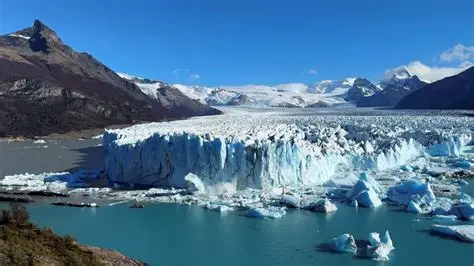
Water is the lifeline of Argentina’s wine industry, especially in regions like Mendoza, where vineyards depend heavily on natural water sources from the Andes Mountains. However, recent policy changes have raised serious concerns about the future of the country’s glaciers—and the water they provide.
Virginia de Valle, who manages a family vineyard, warns that any threat to glaciers could directly affect both agriculture and daily life.
Glaciers: A Vital Water Source
The Andes Mountains play a crucial role in supplying water to Mendoza. Snowfall and glaciers feed rivers and streams that irrigate vineyards and provide drinking water for local communities.
During dry years, glacier melt becomes even more important. It helps offset reduced rainfall and supports farming in the region’s semi-arid climate.
“Every drop of water counts,” says de Valle, emphasizing how essential these natural reserves are for sustaining crops and livelihoods.
Impact on Agriculture and Wine Production
Mendoza is known as Argentina’s wine capital, and its vineyards rely on consistent water supply. Without it, grape production—and the entire wine industry—could suffer.
De Valle’s family vineyard produces large quantities of wine each year, and like many others, it depends on reliable irrigation sourced from glacier-fed rivers.
Any disruption in water availability could affect not only production but also the economic stability of the region.
Policy Changes Raise Concerns
Recent reforms introduced by the Argentine government aim to loosen protections around glaciers. While the changes may support economic activities such as mining, they also increase the risk of environmental damage.
Experts and local communities worry that reduced protections could accelerate glacier loss and threaten long-term water security.
A National Issue Beyond Mendoza
Argentina is home to nearly 17,000 glaciers, which supply water to multiple river systems across the country. These water sources support millions of people living in different provinces.
As climate change intensifies and droughts become more frequent, preserving glaciers becomes even more critical.
The Future of Water Security
The debate highlights a growing challenge: balancing economic development with environmental protection. For communities like those in Mendoza, the stakes are high.
Protecting glaciers is not just about preserving landscapes—it is about ensuring access to water, supporting agriculture, and securing the future of entire regions.