


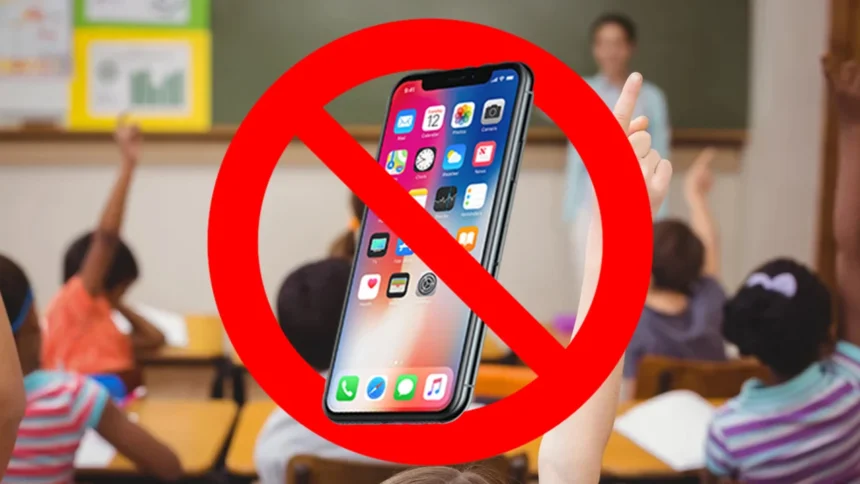
Two years ago, schools in Netherlands introduced a nationwide ban on smartphones. The goal was simple: reduce distractions, improve focus, and boost academic performance.
Since then, students must keep their phones, smartwatches, and tablets out of sight during the school day. These devices remain banned not only in classrooms but also in corridors and canteens.
The government chose a practical approach. Instead of passing strict laws, officials worked with schools, parents, and teachers to create a shared agreement. This strategy helped schools adopt the rules quickly and ensured wider support.
At Cygnus Gymnasium in Amsterdam, the policy is clear from the entrance. A bright yellow sign instructs students to store their phones in lockers before entering. The slogan encourages a simple rule: keep your phone at home or locked away.
This change has reshaped the school environment. Students now rely less on screens and more on direct interaction. Teachers report fewer interruptions during lessons, allowing classes to run more smoothly.
However, student reactions remain mixed. Some appreciate the improved focus and calmer atmosphere. Others find the rules restrictive and inconvenient. A few admit they still try to avoid detection when using their devices.
Despite these concerns, the overall aim remains clear. Schools want to create spaces where students can concentrate without constant digital distractions.
The Dutch government now plans to take further steps. Officials support stricter limits on social media use for younger users. They also advocate for a minimum age requirement across the European Union for popular platforms.
This shift reflects a broader concern about the impact of technology on young minds. By reducing screen time in schools, educators hope to improve learning outcomes and promote healthier habits.
The results continue to evolve, but one thing stands out: removing phones from classrooms has changed how students learn, interact, and focus.