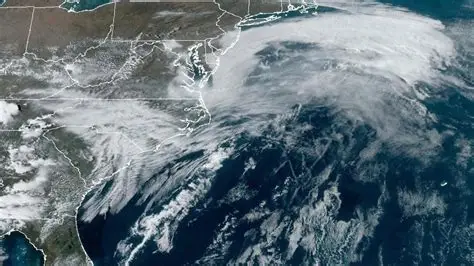
A powerful storm system has unleashed tornadoes, blizzards, strong winds, and heavy snow across large parts of the United States. The extreme weather has disrupted travel, caused power outages, and created dangerous conditions for millions of people.
Meteorologists say the storm will continue affecting the eastern United States before moving into the Atlantic Ocean by Tuesday.
Storm Impacts Spread Across Multiple States
More than a dozen states remain under wind advisories from Missouri to Maine. Tornado watches also cover parts of Florida, Alabama, and Georgia.
Heavy snowfall has already hit the Midwest. Some areas in Wisconsin and northern Michigan have received nearly 2 feet of snow since the weekend.
According to the National Weather Service, millions of people remain under blizzard or winter storm warnings.
Travel Disruptions and Flight Cancellations
Severe weather has significantly affected air travel. Thousands of flights have been canceled or delayed across the country.
Major disruptions occurred at O’Hare International Airport in Chicago and LaGuardia Airport in New York City.
Airlines reported thousands of delays as the storm intensified throughout the day.
Power Outages Leave Thousands in the Dark
The storm has also caused widespread power outages. More than 380,000 households lost electricity, with the largest outages reported in Michigan.
Other affected states include Ohio and Pennsylvania.
Utility crews continue working to restore power as strong winds and snow create challenging conditions.
Dangerous Blizzard Conditions in the Midwest
Parts of Minnesota have recorded over 20 inches of snow in southeastern areas. Meteorologists expect additional snowfall and powerful winds.
Officials warn that whiteout conditions could make travel extremely dangerous.
Minnesota Governor Tim Walz has activated the state’s National Guard to assist with emergency operations and disaster response.
Severe Storms Threaten the Southeast
While blizzards hit the Midwest, severe thunderstorms threaten the southeastern United States.
Weather experts warn that parts of North Carolina, South Carolina, and West Virginia could experience large hail, damaging winds, and possible tornadoes.
In North Carolina, officials expect wind gusts to exceed 74 mph. Governor Josh Stein has urged residents to activate emergency alerts on their mobile devices.
Several schools across the region have closed due to the storm.
Storm Reaches the US Capital
Authorities also issued tornado alerts in areas near Washington, DC.
Officials temporarily closed the Washington Monument early as a precaution while the storm moved closer to the capital.
Emergency officials warned residents about flash flooding, strong winds, lightning, and hail.
Severe Weather Also Hits Canada
The storm system has spread north into Canada, where central Ontario and southwestern Quebec face heavy snow and strong winds.
Forecasters expect up to 20 inches of snowfall, which could create near-zero visibility in some locations.
Extreme Heat and Wildfires Threaten the West
While storms hit the east, the western United States faces the opposite problem.
Extreme heat warnings may soon affect parts of California, Arizona, and Nevada.
Temperatures in southwestern Arizona could reach 109°F (42°C), increasing the risk of heat-related illness.
The dry and windy conditions also raise wildfire dangers across the region.
In Nebraska, officials deployed National Guard troops to fight multiple wildfires that have already burned nearly 1,000 square miles of land.
A Major Weather Event Affecting Millions
Meteorologists say this widespread storm could become one of the largest weather events of the year in the United States.
The system may affect nearly 200 million people across multiple regions, bringing blizzards, storms, extreme heat, and wildfire threats all at the same time.
Authorities continue urging residents to stay informed and follow safety guidelines as conditions change.