Calls from world leaders can inspire hope. But history shows they can also create dangerous expectations.
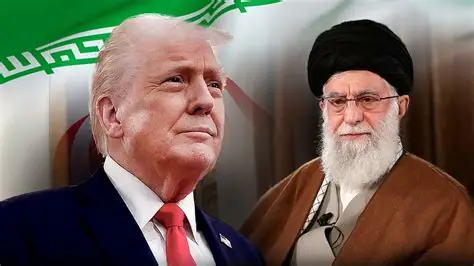
Recent comments from Donald Trump urging Iranians to rise against their government have revived memories of a painful moment in Middle East history.
Many analysts now compare his message to a statement made in 1991 by George H. W. Bush during the first Gulf War.
The 1991 Message That Sparked a Rebellion
On 15 February 1991, Bush visited a Patriot missile factory in Massachusetts during the Gulf War.
At that time, US-led forces were conducting the massive military campaign known as Operation Desert Storm. The operation aimed to force Iraqi troops out of Kuwait.
During his speech, Bush encouraged Iraqis to remove their leader, Saddam Hussein.
He said Iraqi citizens and soldiers should “take matters into their own hands” and push the dictator aside.
The workers at the factory applauded the statement. But for many Iraqis, the words sounded like a promise of support.
Uprisings in Iraq
After Iraqi forces left Kuwait, rebellions quickly began.
Shia groups in southern Iraq and Kurdish fighters in the north launched uprisings against Saddam Hussein’s government. Many believed the United States would support them.
However, the coalition forces did not intervene.
Hussein’s military still had helicopters. These aircraft helped crush the rebellions. Thousands of Shia and Kurdish civilians died during the crackdown.
Many Kurdish families fled to the mountains. Refugees faced freezing conditions, hunger, and disease.
The humanitarian crisis forced Western nations to launch emergency aid operations. But for many victims, the help arrived too late.
Long-Term Consequences
The aftermath of the Gulf War shaped Middle East politics for years.
The United States and its allies later created no-fly zones over Iraq. They also maintained military bases in the region.
During this period, a Saudi militant named Osama bin Laden grew angry about foreign troops in Saudi Arabia. His network later evolved into Al-Qaeda.
Years later, Bush’s son, George W. Bush, launched another invasion of Iraq in 2003. That war removed Saddam Hussein but reshaped regional power.
Iran’s Role in Regional Politics
The 2003 invasion unintentionally strengthened Iran’s influence in the region.
Now tensions between Iran, the US, and Israel have reached new levels. Trump’s decision to coordinate military action with Benjamin Netanyahu has created debate both in the US and abroad.
Supporters argue the strategy will weaken Iran’s military and nuclear ambitions. Critics warn that the conflict could destabilize the region further.
Lessons from History
The 1991 Iraqi uprisings show how powerful political statements can be.
When leaders encourage rebellion but offer no clear support, civilians may pay the price.
Today, as tensions with Iran grow, those historical lessons remain highly relevant.