Iran Accuses US of Escalating Conflict as Strait of Hormuz Crisis Deepens
Tensions between Iran and the United States intensified again after Tehran accused Washington of choosing military escalation over diplomacy during the ongoing Strait of Hormuz crisis.
Iranian Foreign Minister Abbas Araghchi strongly criticized the United States, describing its recent actions as a “reckless military adventure” at a time when diplomatic negotiations were still possible. His comments came after both countries blamed each other for fresh attacks near the Strait of Hormuz, one of the world’s most strategically important shipping routes.
Despite the latest confrontation, US President Donald Trump insisted the fragile ceasefire remained active. However, military exchanges in the Gulf region and continued naval pressure have raised fears that the conflict could spiral into a wider regional war.
Iran Rejects Pressure From Washington
In a public statement shared on social media, Araghchi said Iran would never surrender under pressure or threats.
The Iranian foreign minister argued that diplomatic solutions remain available but accused Washington of repeatedly choosing military force instead of negotiations. Tehran believes the US military campaign and naval blockade are attempts to force Iran into accepting American conditions.
Iranian officials continue to maintain that the country has the right to defend its sovereignty and economic interests, especially in waters surrounding the Strait of Hormuz.
The latest escalation follows months of rising hostility after the US and Israel launched military operations against Iranian-linked targets earlier this year.
Why the Strait of Hormuz Matters
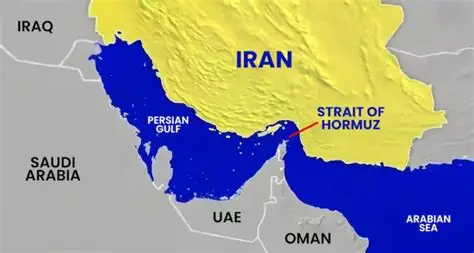
The Strait of Hormuz remains one of the world’s most critical energy corridors. Nearly 20% of global oil and liquefied natural gas supplies move through the narrow waterway connecting the Persian Gulf to international markets.
Any disruption in the area quickly impacts global energy prices and shipping operations.
Key Facts About the Strait of Hormuz
- Around one-fifth of the world’s oil passes through the route
- The waterway connects Gulf producers to global markets
- Shipping disruptions can trigger sharp rises in fuel prices
- Military tensions in the region affect global trade confidence
- Energy-importing nations closely monitor developments there
The ongoing standoff has already caused major shipping delays, with thousands of vessels affected by military activity and security threats.
US Naval Blockade Increases Pressure on Iran
The United States has expanded its naval operations near Iranian ports as part of efforts to pressure Tehran into accepting a broader peace agreement.
US Central Command confirmed that American forces intercepted Iranian-linked oil tankers attempting to reach ports in the Gulf of Oman. According to US officials, the vessels violated ongoing maritime restrictions connected to the conflict.
American forces reportedly used precision strikes to disable the tankers without sinking them. US officials described the operation as a defensive measure designed to enforce the naval blockade.
Washington claims the blockade is necessary to weaken Iran’s military and financial capabilities during negotiations.
Iran, however, views the blockade as an illegal act of aggression aimed at damaging its economy and limiting its regional influence.
Fresh Military Clashes Raise Fears of Wider War
Military tensions rose significantly after both sides accused each other of initiating attacks near the Strait of Hormuz.
US military officials claimed Iranian drones, missiles, and armed boats targeted three American destroyers operating in the area. The US described the attacks as “unprovoked.”
Iran’s military leadership rejected those accusations and instead claimed American forces had attacked Iranian vessels and targeted coastal regions with airstrikes.
One Iranian cargo vessel reportedly caught fire during the confrontation near Minab. Iranian officials said several sailors were injured and taken to hospital while emergency teams searched for missing crew members.
The competing claims have made it difficult to independently verify exactly how the confrontation unfolded.
Ceasefire Remains Fragile
Although President Trump publicly stated that the ceasefire still stands, recent events suggest the agreement remains extremely unstable.
The ceasefire was intended to create space for diplomatic talks aimed at ending the war that erupted earlier this year. However, ongoing military actions by both sides continue to undermine confidence in the process.
Analysts believe the current situation remains highly unpredictable because neither side appears willing to fully de-escalate.
Major Challenges Facing the Ceasefire
- Continued naval confrontations
- Iranian control measures in Hormuz
- US military patrols and blockade operations
- Rising political pressure in both countries
- Disagreements over negotiation terms
Energy markets and global investors remain nervous as uncertainty continues across the Gulf region.
Oil Markets React to Gulf Tensions
The conflict has already triggered major concerns across global energy markets.
Oil prices have climbed sharply since military operations intensified in the Gulf earlier this year. Traders fear that any full closure or severe disruption in the Strait of Hormuz could lead to even higher energy costs worldwide.
Shipping companies have also faced rising insurance costs and growing risks while operating near Iranian waters.
Economic experts warn that prolonged instability could place additional pressure on global inflation and fuel prices in multiple countries.
Diplomatic Efforts Continue Behind the Scenes
Despite the military escalation, diplomatic channels remain active.
US Secretary of State Marco Rubio confirmed that Washington expects a formal Iranian response to recent American proposals. He expressed hope that Tehran would seriously consider negotiations aimed at ending the conflict.
Regional mediators, including Pakistan and Qatar, continue to play an important role in maintaining communication between both sides.
Pakistan has reportedly helped pass messages between Tehran and Washington in recent weeks, while Qatar has encouraged renewed diplomatic engagement.
During talks in Washington, Qatari Prime Minister Sheikh Mohammed bin Abdulrahman Al Thani called for efforts to address the “root causes” of the crisis in order to secure long-term peace.
Hezbollah Talks Add Another Layer to Regional Tensions
The United States also announced plans for new discussions involving Israel and Lebanon next week.
The talks aim to reduce ongoing clashes between Israeli forces and Hezbollah fighters along the Lebanese border.
Washington and Israel continue to demand Hezbollah’s disarmament as part of any lasting peace agreement. However, Hezbollah has rejected those demands and remains opposed to the negotiations.
The conflict in Lebanon has become closely linked to the wider confrontation involving Iran, Israel, and the United States.
Regional Stability Remains Uncertain
Security experts warn that the Middle East could face further instability if diplomacy fails.
The combination of naval blockades, military exchanges, regional proxy conflicts, and economic pressure has created one of the most dangerous situations in the Gulf in recent years.
Iran continues to insist that it will resist outside pressure, while the United States says it will maintain military operations until its strategic objectives are achieved.
For now, the fragile ceasefire appears to be holding only partially, with both sides continuing to prepare for potential further escalation.
Key Developments at a Glance
| Issue | Latest Update |
|---|---|
| Strait of Hormuz tensions | Fresh military exchanges reported |
| Iran’s response | Accused US of reckless escalation |
| US naval blockade | Expanded enforcement near Iranian ports |
| Ceasefire status | Officially active but unstable |
| Oil market impact | Prices remain elevated |
| Diplomatic talks | Pakistan and Qatar involved in mediation |
| Regional concerns | Lebanon-Israel tensions continue |
Conclusion
The latest confrontation between Iran and the United States highlights how fragile the current ceasefire remains. Military incidents in the Strait of Hormuz, combined with naval blockades and regional proxy conflicts, continue to increase pressure across the Middle East.
While diplomatic efforts are still underway, both sides remain deeply divided over the path forward. Iran insists it will not surrender to pressure, while Washington continues to push for a broader agreement through military and economic leverage.