Australia has granted humanitarian visas to five members of Iran’s women’s national football team after concerns grew about their safety following a national anthem protest during the AFC Women’s Asian Cup.
Australia’s Immigration Minister Tony Burke confirmed that the players were moved to a secure location by police before their visa applications were approved.
The players had originally planned to return to Iran after their elimination from the tournament. However, supporters feared they could face punishment after the team refused to sing Iran’s national anthem before their match against South Korea last week.
Players Confirmed by Australian Government
Burke confirmed that the five athletes requested protection and were granted humanitarian visas early Tuesday morning.
The players are:
-
Fatemeh Pasandideh
-
Zahra Ghanbari
-
Zahra Sarbali
-
Atefeh Ramazanzadeh
-
Mona Hamoudi
Burke said the players wanted to make it clear they were not political activists. He explained that they simply wanted to remain safe.
Humanitarian visas allow recipients to live, work, and study permanently in Australia.
Other Team Members Still Deciding
The rest of the Iranian squad travelled to Gold Coast Airport and is expected to fly to Sydney. Authorities said the remaining players also have the option to stay in Australia if they choose.
Before leaving the stadium on the Gold Coast, hundreds of supporters gathered around the team bus. Many protesters chanted “save our girls” and urged the players to seek asylum.
Some activists even lay down in front of the coach to delay its departure.
Australian Prime Minister Confirms Decision
Prime Minister Anthony Albanese later confirmed that Australia had approved humanitarian visas for the five athletes.
Burke said the government understood how difficult the decision was for the players.
He also invited other team members to consider the same option if they feared returning home.
Anthem Protest Sparked Backlash in Iran
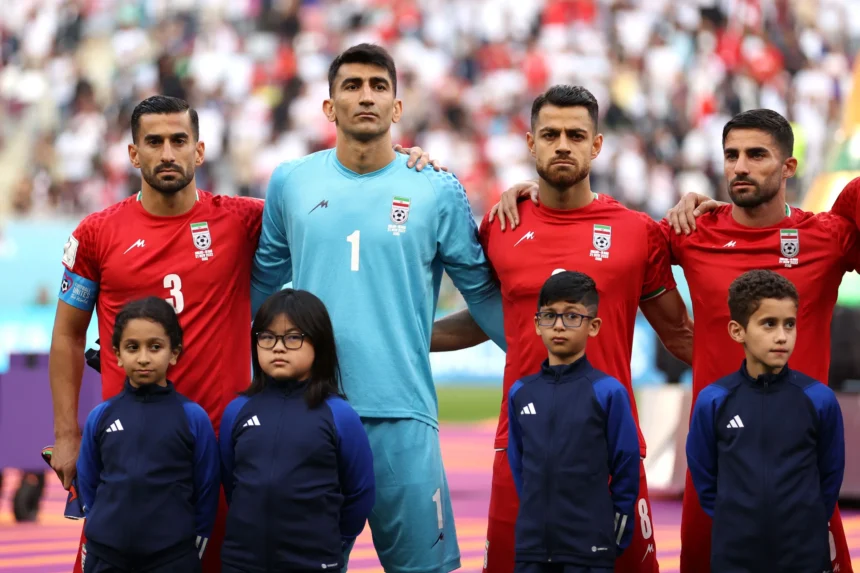
The controversy began when the Iranian team refused to sing the national anthem before their Asian Cup match against South Korea.
The move drew criticism from conservative voices in Iran. One commentator accused the players of being “wartime traitors” and called for strict punishment.
In later matches against Australia and the Philippines, the team sang the anthem and saluted. Critics believe government officials accompanying the delegation may have pressured them to do so.
International Attention and Political Reaction
The issue also attracted attention from international leaders.
Donald Trump posted on social media urging Australia to grant asylum to the players. He said the United States would consider accepting them if Australia did not.
Trump later said he spoke with Albanese and praised Australia’s handling of the situation.
Safety Concerns Remain
Human rights advocates believe the players’ actions carried significant risk.
Former Australian football captain Craig Foster said concerns for the athletes’ safety were justified.
He stressed that players participating in international tournaments should always have access to protection and support.
It remains unclear whether the players’ families in Iran could face repercussions.