Varvara Voronchikhina Wins Russia’s First Paralympic Gold Since 2014
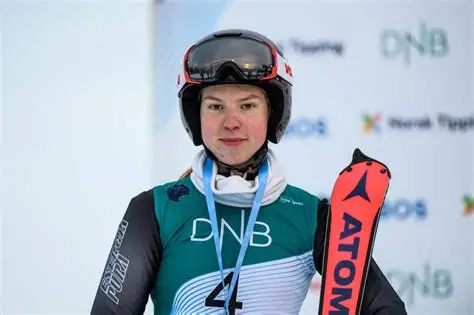
Varvara Voronchikhina crossed the finish line in Cortina and turned one super-G run into one of the most politically charged moments of the Milano Cortina 2026 Winter Paralympics. Her time of 1:15.60 in the women’s standing super-G was fast enough for gold, nearly two seconds clear of France’s Aurelie Richard and just over two seconds ahead of Sweden’s Ebba Årsjö. On the snow, it was a clean sporting victory. On the podium, it became something larger.
For Russia, the win mattered because it was the country’s first Paralympic gold medal under its own flag since Sochi 2014. For Para alpine skiing, it confirmed the arrival of a 23-year-old athlete already capable of beating established medal contenders on one of the sport’s most famous slopes. For the wider Paralympic movement, it reopened a difficult question: how should international sport balance athlete participation, national symbols, doping history and the ongoing consequences of war?
That is why Varvara Voronchikhina’s victory cannot be treated only as a race report. It was a medal, a comeback, a legal outcome, a symbolic ceremony and a flashpoint in the debate over Russia’s return to global sport.
The Run That Changed the Podium
The women’s standing super-G at the Tofane Alpine Skiing Centre was expected to be competitive. The course in Cortina d’Ampezzo is fast, technical and exposed enough to punish even small errors. Super-G sits between downhill and giant slalom: more speed than a technical race, more turning discipline than pure downhill. Athletes must attack without losing the line.
Varvara Voronchikhina did exactly that. She delivered a controlled, direct run that stopped the clock at 1:15.60. Richard took silver in 1:17.56, while Årsjö finished third in 1:17.64. The margins were clear enough to remove doubt. This was not a victory decided by a hundredth. It was a decisive win.
The official results listed the podium as:
| Medal | Athlete | Nation | Time |
|---|---|---|---|
| Gold | Varvara Voronchikhina | Russia | 1:15.60 |
| Silver | Aurelie Richard | France | 1:17.56 |
| Bronze | Ebba Årsjö | Sweden | 1:17.64 |
The result gave Varvara Voronchikhina her second medal of the Games after bronze in the women’s standing downhill. Later in the Games, she added more to her medal story, including silver in giant slalom and gold in slalom, confirming that her super-G win was not a one-race surprise.
Why This Gold Was Bigger Than One Race
The emotional power of the race came from Russia’s long absence from the Paralympic podium under its own national symbols. Russian athletes had not competed at the Paralympic Games under the Russian flag since Sochi 2014. Since then, Russia’s Paralympic path had been shaped by two major forces: the fallout from the state-sponsored doping scandal and the sanctions imposed after the 2022 invasion of Ukraine.
That context made the medal ceremony unavoidable as a political image. The Russian flag was raised. The Russian anthem was played. Varvara Voronchikhina stood on the podium visibly emotional. Supporters saw a young athlete celebrating a breakthrough. Critics saw a national-symbol moment they believed should not have returned while the war in Ukraine continued.
Both truths explain why the moment was so sensitive. A Paralympic podium is supposed to recognise athlete excellence. But international sport does not happen outside politics, especially when national flags and anthems are involved.
The News Ink had already covered Russia’s broader return in our report on Russia at the Winter Paralympics. Varvara Voronchikhina’s gold became the clearest example of what that return meant in practice.
The Legal Route Back to the Start Gate
Russia’s path back to Para alpine skiing was not simple. In September 2025, the International Paralympic Committee’s member organisations voted not to maintain the partial suspensions of the National Paralympic Committees of Russia and Belarus. That decision restored full IPC membership rights to both bodies and opened the door for practical arrangements around their return.
The sport-by-sport picture still depended partly on international federations. In skiing and snowboarding, the International Ski and Snowboard Federation had maintained restrictions that affected Russian and Belarusian participation. The Court of Arbitration for Sport later found that FIS had not provided sufficient legal justification for a blanket nationality-based exclusion. CAS ruled that Russian para-athletes should be allowed to participate in FIS events under the same conditions as other para-athletes.
That legal decision did not settle every moral or political argument. It settled a participation question under the applicable rules. For Varvara Voronchikhina, it meant she could return to international competition, earn qualification and race in Cortina.
The distinction matters. Some supporters viewed the return as overdue fairness for athletes. Opponents argued that national symbols should remain restricted because of Russia’s war in Ukraine and the history of sanctions. The IPC, CAS and FIS decisions created the framework, but they did not remove the controversy.
A Different Kind of Paralympic Story
Varvara Voronchikhina’s sporting rise is impressive on its own. She arrived at her first Paralympic Winter Games already known as a world-class Para alpine skier, with world championship success in her background and enough speed discipline to threaten established names.
But the story did not unfold like a normal debut. Most first-time Paralympians are judged mainly by performance, nerves and medal chances. Varvara Voronchikhina carried something else: the weight of a national return that many other athletes, fans and officials viewed through a political lens.
That is not a simple burden for a 23-year-old skier. She did not write the IPC vote, the CAS award or the diplomatic arguments around Russian sport. She did, however, become the athlete whose victory made those decisions visible to the world.
This is the uncomfortable reality of international sport. A young athlete can train for years for a moment that is deeply personal, then discover that the world reads the moment as a national and political event. Varvara Voronchikhina’s gold was both.
Why the Medal Ceremony Drew Attention
The podium mattered because symbols matter. Flags and anthems are not decoration in global sport. They tell viewers which nation is being represented, whose history is being invoked and whose supporters are celebrating. That is why Russia’s full return to Paralympic ceremonies was contested before the Games began.
Some countries protested Russia’s return. Ukraine boycotted both the opening and closing ceremonies. Other athletes expressed discomfort with Russian national symbols appearing again at the Winter Paralympics. At the same time, officials emphasised that athletes were competing under rules approved by the Paralympic movement and relevant legal processes.
Varvara Voronchikhina did not dwell publicly on the politics after the race. She focused on the medal, the flag and the emotion of seeing national support. That response was understandable from an athlete who had just won the biggest race of her career. It also showed why the issue is so difficult. The personal joy of one competitor can sit beside the political pain of others.
A serious article should not pretend those tensions do not exist. It should also avoid making the athlete responsible for every decision made by sporting bodies or governments.
How Her Result Compared With Other Para Alpine Stories
Para alpine skiing at Milano Cortina produced several major performances. Austria’s Veronika Aigner dominated the women’s vision impaired category. Sweden’s Ebba Årsjö remained one of the leading names in women’s standing racing. Britain’s visually impaired skiers also had their own breakthrough and near-miss moments.
The News Ink has covered the British side through Fred Warburton’s Paralympic downhill journey, a very different kind of story about a fast-rising athlete and guide partnership. Warburton’s race was about late entry, sight loss and building toward 2030. Varvara Voronchikhina’s story was about medal dominance and the return of Russia’s flag.
Those stories show the range inside Para alpine skiing. Some athletes arrive as developing projects. Some arrive as medal contenders. Some are judged almost entirely through sport. Others, because of nationality or history, become part of bigger debates.
That does not reduce the athletic quality. If anything, it should make the sport more carefully reported. Para alpine skiing is not a footnote to Olympic sport. It is elite, technical, dangerous and full of difficult human stories.
The Slopes After Super-G: More Medals, More Proof
The original version of this article said Varvara Voronchikhina could add more medals before the Games ended. That line is now outdated because the Games have finished, and she did add more.
After her super-G gold, Varvara Voronchikhina continued to medal. In giant slalom, she finished second behind Årsjö. In slalom, she took another gold after a dramatic race in which Årsjö, who had led after the first run, failed to finish. Those later results changed the shape of the story.
The super-G gold was historic because it broke the Russian gold-medal wait. The later medals confirmed that Varvara Voronchikhina was one of the standout women’s standing skiers of the Games.
Her final Paralympic debut was therefore not just symbolic. It was competitively exceptional. Multiple podiums across different alpine disciplines suggest a complete skier, not simply a specialist who caught one perfect line.
What Makes Super-G So Demanding
To casual viewers, alpine skiing can look like a simple race against the clock. Super-G is more complex. Athletes do not get the same full practice runs they might have in downhill. They inspect the course, memorise the line and then race at high speed with limited margin for correction. A skier must trust preparation, instinct and edge control.
For standing Para alpine skiers, balance, prosthetics, limb difference, coordination and strength all shape racing technique. The classification system aims to create fair competition, but the sport remains physically and technically brutal. A tiny mistake can cost a medal. A slight hesitation can turn a fast run into a safe run. A missed pressure point can throw an athlete off the racing line.
Varvara Voronchikhina’s super-G was impressive because she looked decisive. She did not ski as if she was protecting a result. She attacked enough to separate herself from Richard and Årsjö, two athletes with strong international credentials.
That is why the sporting part of the story should not be buried under politics. The debate is real, but the run still had to be delivered.
The Wider Russia Question in Sport
The Varvara Voronchikhina story belongs to a wider pattern across international sport. Russian and Belarusian athletes have faced different rules depending on the event, federation and governing body. Some have competed as neutrals. Some have been barred. Some, as at the Milano Cortina Paralympics, returned under national flags after IPC membership decisions and legal developments.
The Olympic and Paralympic systems have not handled the issue identically. The International Olympic Committee maintained a neutral-athlete framework for Russian and Belarusian competitors at the Winter Olympics, while the IPC membership vote allowed the Russian and Belarusian Paralympic committees to regain full rights. That difference created confusion for many fans, but it reflected separate governance structures.
For readers following broader sports politics, this connects with The News Ink’s coverage of sports controversies and athlete eligibility debates. The same questions keep returning: who gets to compete, under what flag, and who decides when sporting isolation should end?
There is no painless answer. Ban too broadly, and individual athletes may be punished for state action. Re-admit too quickly, and other nations may feel that sport is ignoring war, occupation or past doping violations. Varvara Voronchikhina’s gold placed that dilemma directly on the podium.
How the Games Ended
By the time the Milan Cortina Paralympics closed, Russia had made a major medal-table impact. AP reported that Russia finished with eight gold medals, while China topped the overall table with 15 golds and the United States followed with 13. The Games also featured 611 athletes from 55 nations, according to AP, making it a broad and high-profile edition of the Winter Paralympics.
Those figures show that Russia’s return was not a side story. Russian athletes were competitive across events and visible throughout the Games. Varvara Voronchikhina’s gold simply became the defining early image because it restored the Russian anthem to a Paralympic medal ceremony.
The Games were also marked by protest. Ukraine’s ceremony boycotts made clear that Russia’s return was not accepted by everyone inside the Paralympic family. That tension will not disappear before the next Winter Paralympics in the French Alps in 2030.
What Comes Next for Voronchikhina
For Varvara Voronchikhina, the next step is turning a breakthrough Games into a sustained era. Multiple medals at a first Paralympics create expectation. Rivals will study her lines, starts, transitions and pressure points. Årsjö, Richard, Zhang Mengqiu, Zhu Wenjing, Michaela Gosselin and others will not treat her as a surprise again.
The 2030 cycle will also be politically complicated. If Russian participation rules change again, every major event could carry uncertainty. That is hard for any athlete planning training, qualification and long-term competition goals.
From a sporting perspective, Varvara Voronchikhina has the profile of a skier who can contend across speed and technical events. That versatility is valuable. Alpine programmes are built around athletes who can win in more than one discipline. It also creates physical demands. Racing downhill, super-G, giant slalom and slalom across a Games schedule requires recovery, equipment precision and mental reset after every event.
The pressure will be different now. Before Cortina, she was a medal hope. After Cortina, she is a Paralympic champion and a symbol of Russia’s return. That combination will follow every future race.
Why This Story Should Be Reported Carefully
There are two mistakes to avoid. The first is treating Varvara Voronchikhina’s medal only as politics. That would erase the athlete, the race and the skill required to win gold. The second is treating the medal only as sport. That would ignore why the Russian flag and anthem mattered so much in 2026.
A careful article does both. It states the race result clearly. It explains the podium. It notes the IPC vote and CAS process. It acknowledges opposition to Russia’s return. It avoids pretending that one athlete can answer every geopolitical question. It also avoids turning a legal and sporting dispute into a simple morality play.
That balance is especially important for The News Ink because readers need context, not just headlines. The same principle applies across winter sport, whether covering Johannes Klaebo’s Olympic dominance or Team GB curling. The strongest sports stories explain why the result mattered, not only who won.
The Bottom Line
Varvara Voronchikhina won the women’s standing super-G in 1:15.60 and gave Russia its first Paralympic gold medal under its own flag since Sochi 2014. On the course, she was the fastest skier. On the podium, she became the centre of one of Milano Cortina 2026’s most sensitive moments.
Her victory was historic because it ended a long Russian gold-medal wait at the Paralympics. It was controversial because Russia’s full return followed years of bans, sanctions, legal disputes and objections linked to the war in Ukraine. It was also the beginning of an outstanding Games for her personally, as she went on to prove her quality across several alpine disciplines.
Varvara Voronchikhina’s gold will be remembered for the time, the flag, the anthem and the debate. That is what made it one of the most important stories of the 2026 Winter Paralympics: a sporting triumph that could not be separated from the world around it.
For more winter-sport and Paralympic coverage, follow The News Ink on Instagram or read our report on Russia at the Winter Paralympics.