Celtic Beat Rangers on Penalties as Ibrox Pitch Invasion Overshadows Scottish Cup Tie
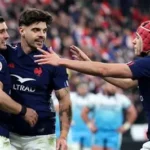
Celtic beat Rangers in the Scottish Cup quarter-final, but the lasting image of the afternoon was not a goal, a save or even Tomas Cvancara’s winning penalty. It was the sight of supporters from both sides on the Ibrox pitch, police and stewards trying to form a barrier, and a tense Old Firm occasion ending in disorder.
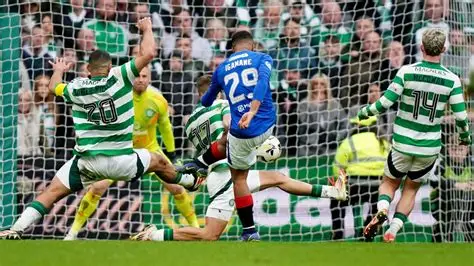
The football itself was strangely empty. After 120 goalless minutes, Celtic beat Rangers 4-2 on penalties despite failing to register a single shot on target. Rangers had the territory, the pressure and the better chances, but not the composure. James Tavernier struck the bar with the first penalty, Djeidi Gassama sent another over, and Cvancara converted the decisive kick to send Celtic into the semi-finals.
Then the tie changed from a football story into a safety story.
Celtic supporters at the Broomloan Road end spilled onto the pitch in celebration. Rangers supporters responded from the opposite end. Missiles and flares were thrown. Police and stewards moved quickly to separate the groups, while players and staff were pulled away from flashpoints. The Scottish FA opened an investigation, and Police Scotland condemned the scenes as shameful.
This was a result that should have been remembered as a gritty cup survival act by an injury-hit Celtic side. Instead, Celtic beat Rangers in a match now defined by what happened after the final whistle.
Match File
| Detail | Rangers v Celtic |
|---|---|
| Competition | Scottish Gas Men’s Scottish Cup quarter-final |
| Venue | Ibrox Stadium, Glasgow |
| Result | Rangers 0-0 Celtic after extra time |
| Penalty shootout | Celtic won 4-2 |
| Decisive kick | Tomas Cvancara |
| Key Rangers misses | James Tavernier, Djeidi Gassama |
| Main controversy | Post-match pitch invasion and fan clashes |
| Immediate outcome | Scottish FA and Police Scotland investigations |
This was not a classic Old Firm match in technical terms. It was tense, physical and dramatic, but rarely fluent. Rangers pushed Celtic back for long spells, while Celtic relied on defensive blocks, goalkeeper Viljami Sinisalo and the cold nerve of four successful penalties.
How Celtic Survived Without Attacking Fluency
Celtic beat Rangers in a way that almost defied normal cup logic. A team that creates nothing clear across two hours usually pays for it. Celtic did not.
Martin O’Neill’s side arrived at Ibrox missing several important players, including captain Callum McGregor and Kieran Tierney. The absence list forced changes to the shape and rhythm of the team. Celtic lacked control in midfield, offered little sustained threat and spent much of the second half defending inside their own half.
Daizen Maeda did briefly think he had scored with a diving header before half-time, but VAR ruled Liam Scales offside in the build-up. That was as close as Celtic came during normal time. Beyond that, Rangers had the stronger foothold.
Yet Celtic’s defensive work kept the tie alive. Auston Trusty, Sebastian Tounekti and Dane Murray made important interventions. Sinisalo dealt with aerial pressure and came off his line sharply when Rangers tried to force the breakthrough. It was not beautiful football, but cup football often rewards survival before style.
The News Ink’s football guide explains how knockout matches can reward different qualities from league games. This was a perfect example. Rangers looked like the better attacking side. Celtic looked like the side more prepared to endure.
Rangers Had the Shots, Not the Finish
Rangers will struggle to understand how they failed to win this tie. They had 24 shots, repeated territorial pressure and an extra-time goal ruled out after the ball struck Emmanuel Fernandez’s hand before going in. They forced Celtic into last-ditch defending, controlled long spells and still lost.
That is why this defeat will feel more damaging than an ordinary Old Firm loss. Rangers did many of the things expected from the home side in a derby cup tie. They pushed forward, used their physical advantage and kept Celtic pinned back. What they lacked was the final pass, the clean finish and, eventually, the penalty nerve.
The match also exposed a familiar problem in high-pressure football: domination without clarity. Rangers crossed often, shot often and appealed often, but they rarely made Sinisalo produce the kind of save that changes a game. When the moment came from the penalty spot, the pressure shifted brutally.
Tavernier’s miss set the tone. For years, he has been one of Rangers’ most reliable penalty takers. At Ibrox, with the Copland Road Stand watching, he hit the bar. Gassama’s miss gave Celtic the opening they needed. From there, the visitors were ruthless.
Celtic beat Rangers because they handled the shootout better. That simple truth will hurt Rangers more than any tactical explanation.
The Penalty Shootout Changed the Mood
Penalty shootouts often compress an entire match into a few seconds of nerve. This one did exactly that. Rangers had owned much of the ball and much of the territory. Celtic had defended for survival. Then the shootout arrived and the emotional balance flipped.
Celtic converted all four of their penalties. Rangers missed two. Cvancara’s winning kick was low, composed and decisive. The moment should have sent Celtic into a controlled celebration and Rangers into a painful but familiar cup exit.
Instead, it triggered chaos.
The Guardian’s match report said Celtic progressed despite failing to register a shot on target, with Tavernier and Gassama missing before Cvancara sealed the shootout. STV also reported that Celtic secured a 4-2 shootout victory after a goalless draw, with supporters then spilling onto the pitch. The official Celtic match page recorded the shootout win and Cvancara’s decisive kick.
For Celtic, the penalty success became part of a wider cup journey. They later beat St Mirren 6-2 after extra time in the semi-final, then defeated Dunfermline 3-1 in the Scottish Cup final. That later triumph means the Ibrox shootout became a turning point in a trophy run, not merely a dramatic one-off.
What Happened After the Final Whistle
The post-match scenes escalated quickly. Dozens of Celtic fans invaded the pitch from the away end. Rangers supporters then moved from the home end, and police and stewards had to intervene before the two groups could fully collide.
Reports described flares, missiles and physical confrontations. Police and stewards formed human barriers. Celtic players and staff were moved away from flashpoints. A Celtic backroom staff member and defender Julian Araujo were reportedly caught up in incidents, while Cvancara later appeared in a television interview with blood marks on his shirt.
Police Scotland said a number of arrests had already been made and that officers would work with both clubs and the Scottish Football Association on a robust investigation. The Scottish FA said an investigation would be carried out under its Judicial Panel Protocol.
This is where the article must be careful. Not every clip on social media tells the whole story. Not every claim made in the heat of a derby should be treated as confirmed. But the broad facts are clear: supporters entered the field, disorder followed, police intervened, arrests were made, and football authorities began disciplinary processes.
Celtic beat Rangers, but the celebrations crossed a line that football cannot ignore.
Why the Pitch Invasion Matters Beyond One Match
Pitch invasions are sometimes romanticised when they follow promotion wins, title celebrations or cup upsets. That view becomes dangerous when rival supporters are involved, when players are still on the field, and when pyrotechnics or missiles are thrown.
The Ibrox incident was not harmless overexcitement. It placed players, staff, stewards, police and supporters at risk. It also revived uncomfortable memories of Scottish football’s past, including major crowd disorder around Old Firm matches. The comparison is not exact, but the symbolism matters: Celtic and Rangers games carry history, emotion and identity in a way few fixtures can match.
The issue is especially serious because this was the first Old Firm match in years to feature a large away allocation. Around 7,500 Celtic supporters attended at Ibrox, restoring part of the derby atmosphere that many fans had missed. The trouble after the shootout immediately raised questions about whether larger away allocations can be managed safely in future.
That is a painful question for Scottish football. A derby without away fans loses much of its edge. A derby with away fans must be safe. The Ibrox scenes damaged the argument for trust.
The News Ink has covered other football flashpoints, including fan behaviour concerns and abuse after a Premier League clash. The lesson is consistent: the minority who cross the line can reshape the story for everyone else.
Responsibility Now Falls on Several Groups
The easiest reaction is to blame “the fans” as one group. That is too broad. Thousands attended without entering the pitch or throwing objects. The investigation should focus on specific behaviour, specific individuals and specific operational gaps.
However, responsibility is still shared across several layers.
Supporters who entered the field or threw missiles must face consequences. Clubs must examine ticketing, stewarding, messaging and supporter liaison. Police must identify those involved in violence or reckless conduct. The Scottish FA must decide whether disciplinary action is required. Politicians and football authorities must consider whether football banning orders, pyrotechnic rules and pitch-invasion penalties are strong enough.
The Scottish FA’s disciplinary updates page explains that selected notices and Judicial Panel outcomes are published through its disciplinary process. That process now matters because the Ibrox scenes cannot be reduced to online outrage. They require formal review.
The broader Scottish game also has a credibility issue. If Celtic beat Rangers in one of the country’s biggest cup ties and the main story becomes disorder, the product suffers. Sponsors, broadcasters, families, visiting fans and neutral viewers all notice.
Tactical Note: Why Celtic’s Defensive Plan Worked
The strange thing about this match is that Celtic’s defensive plan can be criticised and praised at the same time. It invited pressure and produced almost no attacking threat. But it also kept the game alive.
O’Neill’s side narrowed spaces around the box, accepted that Rangers would have the ball and trusted defenders to block shots rather than overcommit. That approach is not sustainable every week, but in a knockout tie with a weakened squad, it worked.
Rangers’ best openings came when they moved the ball quickly before Celtic’s block was set. Too often, however, the attacks slowed into crosses or hopeful efforts from crowded areas. Celtic were happy to defend those situations. Sinisalo’s command of the box and the centre-backs’ willingness to take contact became central to the result.
The disallowed Fernandez goal was the closest Rangers came to breaking the pattern. VAR ruled it out for handball, and the decision added to Rangers’ frustration. For readers interested in how video review changes football’s biggest moments, The News Ink’s VAR debate offers useful background.
In the end, Celtic did not outplay Rangers. They outlasted them.
What It Meant for Celtic’s Season
At the time, the Scottish Cup looked like Celtic’s best route to silverware in a difficult season. The League Cup had already gone, the Premiership race was uncomfortable, and the squad was carrying injuries. A defeat at Ibrox would have deepened the pressure around O’Neill and the club’s direction.
Instead, Celtic beat Rangers and survived. The semi-final later brought a 6-2 extra-time win over St Mirren, setting up a final against Dunfermline. Celtic then won that final 3-1, completing a domestic double and turning a season of strain into one that still ended with major silverware.
That later context changes the meaning of the Ibrox shootout. It was ugly, limited and overshadowed, but it was also essential. Without Cvancara’s penalty, there is no semi-final. Without the semi-final, there is no Scottish Cup final. Without the final, Celtic’s season looks very different.
This is why cup football can be so unforgiving. A team can play badly for 120 minutes and still change its season in a shootout.
What It Meant for Rangers
For Rangers, the defeat was devastating because the opportunity was obvious. Celtic were weakened, blunt and under pressure. Rangers were at home, had the better chances and saw their rivals fail to land a shot on target. If ever there was a day to take control of an Old Firm cup tie, this was it.
They did not.
That failure leaves several uncomfortable questions. Why did Rangers’ pressure produce so little? Why did the substitutes fail to shift the shootout in their favour? Why did a stronger match position become another painful Celtic result? Why did the post-match disorder become the final image of the day?
The football frustration is separate from the crowd trouble, but both damaged Rangers. On the pitch, they lost a major route to silverware. Off it, their stadium became the scene of images that travelled across British and international media.
The News Ink’s wider football coverage, including analysis of Premier League pressure and club financial risk, often returns to the same point: big clubs are judged not only by talent, but by how they respond when pressure arrives. Rangers failed that test on several fronts.
The Old Firm Atmosphere Cannot Be an Excuse
The Old Firm derby is famous because it is intense. That intensity is part of Scottish football’s global identity. It creates noise, colour and emotional stakes that many leagues cannot match. But intensity cannot be used as an excuse for disorder.
The best derbies feel dangerous in the sporting sense: tackles matter, mistakes matter, the crowd rises and every touch carries meaning. The worst derbies become dangerous in the literal sense. Ibrox crossed too close to that second category after the shootout.
Clubs often celebrate atmosphere because it sells the fixture. Broadcasters promote the hostility because it makes television compelling. Supporter groups argue that away allocations restore the derby’s soul. All of that may be true. But the price of atmosphere cannot be player safety or public disorder.
If Celtic beat Rangers again in a future cup tie, the story should be about football. The Ibrox pitch invasion showed how quickly that can be lost.
What Should Happen Next
The response should be practical, not performative.
The first priority is identification. Anyone who entered the pitch, threw objects, carried pyrotechnics or approached players and staff should be identified through CCTV, broadcast footage and police evidence. Where criminal offences are alleged, prosecution should follow.
The second priority is club accountability. Celtic and Rangers should review stewarding, ticket allocation, entry procedures, fan communication and emergency separation plans. The focus should be prevention, not public relations.
The third priority is competition discipline. The Scottish FA investigation must be transparent enough to reassure the public that the incident was not simply absorbed into derby folklore. Fines alone may not change behaviour if the individuals involved face no lasting consequences.
The fourth priority is supporter culture. Clubs need the atmosphere, but they cannot outsource responsibility to police. Supporter groups that want bigger allocations must help protect the case for them.
The Football Should Not Be Forgotten Completely
It is easy for the pitch invasion to erase the match, and in some ways it already has. But the football still matters because it explains why emotions erupted.
Rangers dominated but could not score. Celtic defended but could not attack. VAR removed a goal for each side in different ways. The shootout took place in front of the home end. Tavernier missed. Gassama missed. Cvancara scored. A rivalry built on decades of hurt then spilled into uncontrolled celebration and anger.
That sequence is exactly why football authorities must treat high-risk fixtures differently. The emotional trigger points are predictable. The end of a penalty shootout in an Old Firm cup tie is one of the most volatile scenarios in Scottish sport. Planning must match that reality.
Celtic beat Rangers, but Scottish football now has to decide whether it learned anything from the day.
The Bottom Line
Celtic beat Rangers 4-2 on penalties after a goalless Scottish Cup quarter-final at Ibrox. Tomas Cvancara scored the decisive kick, Rangers missed twice, and Celtic somehow progressed despite not producing a shot on target across 120 minutes.
That should have been the whole story. It was not.
The pitch invasion that followed turned the tie into a major disciplinary and policing issue. Flares, missiles, supporter confrontations and reports of incidents involving Celtic personnel overshadowed the football and damaged the return of a large away allocation to the Old Firm derby.
For Celtic, the win became a crucial step toward later Scottish Cup success. For Rangers, it was a painful missed chance. For Scottish football, it was a warning. The Old Firm can be loud, emotional and unforgettable. It cannot be allowed to become unsafe.
For more football and sports coverage, follow The News Ink on X or explore our latest football guide.