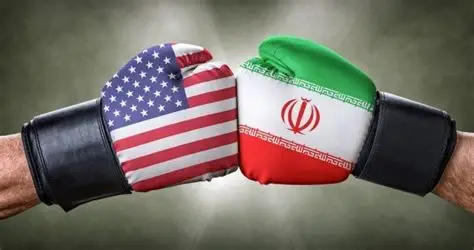
US Iran Peace Deal: 7 Key Developments as Both Sides Move Closer to Agreement
The US Iran peace deal appears to be moving closer to reality after senior officials from both countries signaled progress in ongoing negotiations. While major obstacles remain, recent comments suggest that diplomats have made meaningful advances toward a framework that could ease tensions, extend a ceasefire, and open the door to broader discussions.
US Vice President JD Vance recently acknowledged that negotiators are “very close” to reaching an agreement. However, he also cautioned that important details still need to be resolved before any final deal can be signed.
The latest developments have attracted global attention because the outcome could affect regional stability, energy markets, international trade, and the future of Iran’s nuclear programme.
Key Takeaways
- The US Iran peace deal is reportedly close but not finalized.
- Negotiators are still discussing several disputed issues.
- A proposed framework would extend the ceasefire for 60 days.
- Talks could focus on the future of Iran’s nuclear programme.
- The Strait of Hormuz may reopen to unrestricted shipping.
- Sanctions relief could allow Iran to increase oil exports.
- Final approval is still required from both governments.
Why the US Iran Peace Deal Matters
The US Iran peace deal has the potential to reshape political and economic conditions across the Middle East.
Tensions between Washington and Tehran have influenced global energy markets for years. Any agreement that reduces military risks and restores trade routes could provide stability for international markets.
The proposed framework would also create an opportunity for direct negotiations on long-standing disagreements that have strained relations between the two countries.
For businesses, governments, and investors worldwide, the outcome of these talks carries significant importance.
1. Both Sides Appear Closer Than Before
One of the strongest signs of progress came from Vice President JD Vance.
While speaking to reporters, Vance explained that negotiations were continuing and that discussions remained productive.
According to him, both sides are still working through specific language within the proposed agreement.
Importantly, he emphasized that negotiators believe discussions are taking place in good faith.
That level of optimism has been rare during previous diplomatic efforts.
2. A Framework Agreement Is Reportedly on the Table
Officials familiar with the discussions say negotiators have developed a memorandum of understanding that could serve as the foundation for a broader agreement.
The framework reportedly includes several important measures designed to reduce tensions.
Potential elements include:
- A 60-day ceasefire extension
- Future nuclear programme negotiations
- Shipping protections in the Gulf region
- Economic and trade measures
- Diplomatic engagement mechanisms
Although reports indicate progress, officials have stressed that the proposal still requires approval from both governments.
3. The Nuclear Programme Remains a Major Issue
The future of Iran’s nuclear programme continues to be one of the most challenging topics in the negotiations.
The United States has consistently maintained that Iran must not obtain nuclear weapons.
American officials have repeatedly called for restrictions on uranium enrichment and the management of existing enriched uranium stockpiles.
Iran continues to reject accusations that it seeks nuclear weapons.
Instead, Iranian leaders argue that their nuclear programme serves peaceful and civilian purposes.
Because of these opposing positions, nuclear-related discussions remain one of the most sensitive aspects of the US Iran peace deal.
4. The Strait of Hormuz Could Reopen Fully
One of the most significant economic consequences of a successful agreement would involve the Strait of Hormuz.
This narrow waterway plays a crucial role in global energy transportation.
Approximately one-fifth of the world’s oil and liquefied natural gas shipments normally travel through the route.
Reports suggest that negotiators are discussing provisions that would allow unrestricted passage through the strategic shipping corridor.
If implemented, the move could:
- Improve global energy supply chains
- Reduce shipping delays
- Lower transportation costs
- Increase market confidence
- Support international trade activity
As a result, financial markets continue to monitor developments closely.
5. Sanctions Relief Could Boost Iran’s Economy
Another important part of the proposed US Iran peace deal involves economic measures.
Reports indicate that the United States could provide sanctions waivers allowing Iran to resume larger-scale oil exports.
Such a move could provide significant economic benefits for Iran.
Potential impacts include:
- Increased government revenue
- Higher oil production levels
- Expanded international trade opportunities
- Improved access to global markets
However, sanctions relief remains politically sensitive and could face scrutiny from policymakers and international partners.
6. Regional Security Concerns Remain
While diplomatic progress has been encouraging, regional security concerns have not disappeared.
Several countries across the Middle East continue to closely follow the negotiations.
Any agreement will need to address broader security issues that extend beyond the immediate ceasefire.
These concerns include:
- Maritime security
- Military deployments
- Regional alliances
- Future conflict prevention measures
Many observers believe long-term success will depend on whether both sides can build trust over time.
7. Final Approval Has Yet to Be Granted
Despite positive statements from negotiators, the US Iran peace deal is not yet complete.
Senior officials still need to review and approve the framework.
Reports indicate that political leaders are carefully evaluating the proposal before making a final decision.
This review process is common for agreements involving national security, economic policy, and international diplomacy.
As a result, negotiations remain active even though substantial progress has reportedly been made.
What JD Vance Said About the Negotiations
Vice President JD Vance offered one of the clearest assessments of the current situation.
He stated that discussions were continuing over specific wording and technical issues.
According to Vance, the topic of uranium enrichment remains one of the most important unresolved matters.
Nevertheless, he maintained an optimistic outlook.
His comments suggest that negotiators believe a path forward remains achievable if both sides continue working through the remaining differences.
How Global Markets Are Responding
Financial markets have reacted positively to signs of diplomatic progress.
Investors generally view reduced geopolitical tensions as beneficial for economic stability.
Energy markets, in particular, have paid close attention to developments involving:
- Oil exports
- Shipping routes
- Regional security
- Supply chain reliability
A finalized US Iran peace deal could reduce uncertainty that has influenced global energy prices in recent months.
What Happens Next?
Several steps are likely to follow if negotiations continue progressing.
These may include:
- Final review of the framework agreement.
- Approval from political leadership.
- Formal extension of the ceasefire.
- Additional talks on nuclear issues.
- Discussions regarding sanctions implementation.
- Monitoring and enforcement arrangements.
The timeline remains uncertain, but officials suggest important developments could occur in the coming days.
Final Thoughts on the US Iran Peace Deal
The US Iran peace deal appears closer than it has been in months, but significant work remains before an agreement becomes official.
Both governments have acknowledged progress, and negotiators reportedly have a framework that could form the basis of a broader understanding.
Key issues involving uranium enrichment, sanctions relief, regional security, and maritime access still require careful negotiation.
Even so, recent statements from senior officials indicate that diplomacy continues to move in a positive direction.
If both sides can resolve the remaining disputes, the agreement could mark an important step toward greater stability in the Middle East while also providing benefits for global trade and energy markets.
GET LATEST NEWS ON THE NEWS INK CURRENT AFFAIRS.