Clash Ignites in Strategic Waters
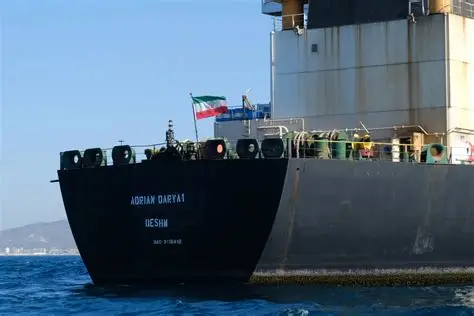
Iran’s Islamic Revolutionary Guard Corps (IRGC) launches a “special operation” and captures the Barbados-flagged oil tanker Ocean Koi in the Gulf of Oman. This Friday action disrupts key oil routes. Meanwhile, US forces disable two Iranian-flagged tankers heading to Iranian ports.
The moves come mere hours after US and Iranian forces trade fire in the Strait of Hormuz. That skirmish wounds sailors and tests a shaky pause in broader hostilities. Diplomatic efforts for a lasting ceasefire now face severe strain.
Fars News Agency quotes an IRGC spokesperson: The navy seizes Ocean Koi for trying to “disrupt oil exports and Iranian interests.” Press TV airs footage of forces boarding and detaining the crew. MarineTraffic confirms the vessel’s Barbados registry.
US Central Command (CENTCOM) counters swiftly. They announce disabling the two tankers to enforce a blockade. CENTCOM commander Admiral Bradley Cooper declares: “US forces remain committed to full enforcement of the blockade on vessels entering or leaving Iran.”
Hormuz Firefight Sets the Stage
Flash back hours earlier. US President Donald Trump accuses Iran of attacking three US Navy destroyers in the Strait of Hormuz. Iran’s top joint military command fires back. They claim US strikes hit an Iranian oil tanker and another ship, wounding 10 sailors and leaving five missing.
Iran alleges US air attacks targeted civilian zones on Qeshm Island—a fortress-like spot guarding Hormuz’s entrance. In response, Iranian forces strike US vessels east of the strait and south of Chabahar port.
Trump brushes it off as a “love tap,” insisting it spares the current fighting pause. US Secretary of State Marco Rubio echoes this. He reveals the administration awaits Iran’s reply to a fresh ceasefire proposal.
Iran’s Foreign Ministry spokesperson Esmaeil Baghaei condemns the strikes. Speaking via Tasnim News Agency, he says Tehran reviews the US offer. Iranian forces monitor closely, ready for any “aggression.”
Diplomatic Maneuvers Amid Chaos
Talks persist despite the naval drama. US Vice President JD Vance hosts Qatar’s Prime Minister and Foreign Minister Sheikh Mohammed bin Abdulrahman bin Jassim Al Thani in Washington, DC. Qatar’s Foreign Ministry notes discussions on Pakistan-led mediation to cool tensions.
Baghaei reaffirms Iran’s deliberate pace. Tehran weighs the proposal while condemning recent attacks. This back-and-forth underscores the high stakes—Hormuz handles 20% of global oil flows.
Iran’s Seizing Spree and Strategic Shift
Friday’s tanker grab isn’t Iran’s first rodeo. The IRGC confirms three prior seizures in the Strait of Hormuz. Yet, this Gulf of Oman strike signals evolution.
Reporting from Tehran, correspondent Resul Serder highlights the pivot. “Iranians see the war reshaping regional strategy—these straits threaten national security,” he explains. Iran now crafts a “new maritime regime.”
Enter the “Persian Gulf Strait Authority.” This body will enforce fresh rules, regulations, and protocols for Hormuz passages. Iran positions it as a security overhaul, controlling vital chokepoints.
Serder adds context: Past seizures targeted sanctions-busters or rivals. Now, amid war, Iran asserts dominance over its waters. The Ocean Koi incident tests this resolve.
Key details on the seizure:
-
Target Vessel: Ocean Koi, Barbados-registered oil tanker.
-
Reason Cited: Disrupting Iranian oil exports and interests.
-
Method: IRGC navy special operation with boarding footage.
-
Location: Gulf of Oman, near Strait of Hormuz.
-
Broader Pattern: Fourth confirmed IRGC ship capture in recent months.
US Blockade and Enforcement
CENTCOM’s response underscores ironclad commitment. US forces disable tankers breaching the blockade—no mercy for port-bound vessels. Admiral Cooper’s statement rallies allies: Full enforcement protects global trade.
This mirrors prior US actions. Navy patrols enforce sanctions, deterring Iran-bound ships. Friday’s disables add two more to the tally, signaling no slack.
Trump’s team ties it to deterrence. The “love tap” rhetoric downplays escalation while flexing muscle. Rubio’s comments hint at negotiation leverage—respond, or face more.
Qeshm Island: Flashpoint in the Fight
Qeshm Island emerges central. This geological marvel hides underground missile silos at Hormuz’s mouth. Iran accuses US airstrikes of hitting civilian areas there.
The island’s role amplifies risks. It guards straits linking Persian Gulf to open seas. Strikes wound sailors and vanish others, fueling Iran’s retaliation claims.
Visuals from Press TV show chaos: Damaged ships, boarding teams, tense crews. Marine tracking pins Ocean Koi’s last position before blackout.
Global Ripples and Mediation Hopes
World watches warily. Oil prices spike on news—Hormuz disruptions threaten supplies. Pakistan’s mediation gains traction via Qatar talks.
Recommended deep dives:
-
Iran’s negotiation stance unpacked.
-
President Pezeshkian’s leadership push.
-
China’s potential role in ending the war.
Iran’s “Persian Gulf Strait Authority” could reshape navigation. It mandates protocols, potentially clashing with international norms. Expect UN debates and naval standoffs.
US allies like Qatar bridge gaps. Vance’s meeting stresses de-escalation. Yet, Baghaei’s warnings signal readiness—Tehran won’t blink.
What’s Next in This Naval Chess Game?
Tensions simmer. Iran reviews proposals while seizing assets. US enforces blockades, downplaying clashes. Hormuz remains powder keg—one spark reignites full war.
Friday’s events test wills. Will Iran unveil its authority soon? Does Trump push harder? Mediators hustle for breakthroughs.
Stakeholders urge calm. Global trade hangs in balance. Ocean Koi’s fate—and the two disabled tankers—symbolize frayed peace.
Analysts predict short-term spikes: More patrols, higher insurance, volatile markets. Long-term? A new Gulf order if Iran’s regime sticks.
Stay vigilant. Alerts track developments—Hormuz never sleeps.