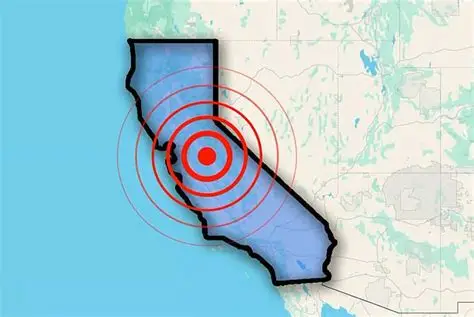
Redlands earthquake 2026 activity continued Friday evening as a 3.4-magnitude tremor struck the Redlands area of Southern California, according to the U.S. Geological Survey. The earthquake hit at approximately 6:40 p.m. at a shallow depth of about 2 miles beneath the surface. Authorities reported no immediate injuries or structural damage following the event, but the quake added to growing concern among residents after a similar tremor struck the same area just two days earlier.
This marks the second time this week that seismic activity has rattled the Redlands region, raising questions about ongoing fault activity in the area and prompting reminders about earthquake preparedness across Southern California.
Redlands Earthquake 2026: What Happened Friday Evening
The Redlands earthquake 2026 struck without warning at around 6:40 p.m. on Friday, sending tremors through communities across the Redlands area of San Bernardino County. The U.S. Geological Survey confirmed the quake registered a magnitude of 3.4, placing it in the category of a light earthquake — typically felt by people indoors but rarely causing significant structural damage.
The depth of the earthquake was recorded at approximately 2 miles, making it a relatively shallow tremor. Shallow earthquakes tend to feel stronger at the surface compared to deeper quakes of the same magnitude, which may explain why residents across a wider area felt the shaking despite the moderate size of the event.
Friday evening earthquake — key facts:
- Magnitude: 3.4
- Location: Redlands area, San Bernardino County, Southern California
- Time: Approximately 6:40 p.m. Friday
- Depth: Approximately 2 miles beneath the surface
- Reported injuries: None
- Reported damage: None immediately confirmed
- Source: U.S. Geological Survey (USGS)
Emergency services monitored the situation closely following the quake. No calls for structural damage assistance or injury-related emergencies were reported in the immediate aftermath, offering early reassurance to the local community.
Redlands Earthquake 2026: The Second Quake in One Week
Friday’s tremor was not an isolated event. The Redlands earthquake 2026 pattern this week began on Wednesday when a 3.3-magnitude earthquake struck the same general area. That earlier quake also caused no reported injuries or damage, but it set the stage for growing attention on seismic activity in the region.
Two earthquakes of similar magnitude striking the same area within 72 hours naturally draws the attention of residents, seismologists, and emergency management officials alike. While two moderate quakes in close succession do not necessarily indicate a larger event is imminent, they serve as a timely reminder that Southern California sits in one of the most seismically active zones in the United States.
This week’s Redlands seismic activity at a glance:
| Day | Magnitude | Depth | Injuries | Damage |
|---|---|---|---|---|
| Wednesday | 3.3 | Not confirmed | None | None |
| Friday | 3.4 | ~2 miles | None | None |
Both events occurred in the same general area, and USGS continues to monitor the region for any further seismic developments. Residents in the Redlands area reported feeling the shaking from both events, with Friday’s tremor described as slightly stronger due to its marginally higher magnitude.
Understanding the Redlands Area and Seismic Risk
The Redlands earthquake 2026 events this week serve as a reminder of the geological reality facing communities throughout Southern California. The region sits above a complex network of fault lines, making seismic activity a regular part of life for millions of residents.
San Bernardino County, where Redlands is located, sits near several significant fault systems. The San Andreas Fault — one of the longest and most studied fault lines in the world — runs through this region and has the potential to produce far larger earthquakes than what residents experienced this week.
What residents in the Redlands area should know about local seismic risk:
- Southern California experiences hundreds of small earthquakes every week
- Most are too small to feel, but moderate quakes like this week’s events occur regularly
- Shallow earthquakes, like Friday’s 2-mile depth event, often feel stronger at the surface
- The San Andreas Fault and related fault systems run through San Bernardino County
- Seismologists consistently warn that larger earthquakes remain a long-term risk for the region
- No technology currently exists that can predict exactly when or where a major quake will strike
Understanding this background helps place Friday’s 3.4-magnitude event in its proper context. While it caused no harm this time, it reinforces the importance of preparedness across every household and community in the area.
Redlands Earthquake 2026: The Importance of Being Prepared
Following the Redlands earthquake 2026 events this week, emergency management officials and preparedness experts encourage all Southern California residents to review and update their earthquake readiness plans. Experts consistently emphasize that preparation before a major earthquake strikes dramatically improves outcomes for individuals, families, and communities.
Seismologists often refer to the possibility of a much larger earthquake — commonly called “the big one” — striking Southern California along the San Andreas Fault. While no one can predict when this might happen, officials stress that everyone in the region should be ready at all times.
Essential items every earthquake preparedness kit should include:
- Water: At least one gallon per person per day for a minimum of three days
- Non-perishable food: A three-day supply for every member of the household
- Flashlight: With extra batteries or a hand-crank option
- First aid kit: Fully stocked and easily accessible
- Battery-powered or hand-crank radio: For emergency broadcasts and updates
- Whistle: To signal for help if trapped under debris
- Dust masks: To help filter contaminated air
- Plastic sheeting and duct tape: For sheltering in place if needed
- Moist towelettes and garbage bags: For basic sanitation
- Wrench or pliers: To shut off utilities if necessary
- Manual can opener: For canned food items
- Local maps: In case digital navigation systems fail
- Cell phone with chargers and a backup battery
- Important documents: Copies of insurance policies, ID, and bank records in a waterproof container
- Cash: ATMs and card payment systems may not work after a major earthquake
- Medications and medical supplies: A week’s supply of any required prescriptions
- Blankets or sleeping bags: One per person
- Sturdy shoes: Placed near each bed in case of a nighttime quake
Preparedness experts also recommend that every household practice earthquake drills, identify safe spots in each room — such as under sturdy tables or against interior walls — and establish a family communication plan so that everyone knows what to do and where to meet if separated during an emergency.
What to Do During and After an Earthquake
Beyond having a kit ready, knowing the correct actions to take during and after a quake can save lives. The Redlands earthquake 2026 events this week, while minor, offer a valuable opportunity to review this guidance.
During an earthquake:
- Drop to your hands and knees immediately
- Take cover under a sturdy table or desk, or against an interior wall away from windows
- Hold on and protect your head and neck with your arms
- Stay indoors until the shaking stops — do not run outside during the quake
- If outdoors, move away from buildings, streetlights, and utility wires
After an earthquake:
- Check yourself and others for injuries before anything else
- Inspect your home for damage — check gas lines, water pipes, and electrical systems
- Be ready for aftershocks, which can follow the main event
- Use text messages rather than calls to communicate, as phone networks may be overwhelmed
- Listen to official emergency broadcasts for guidance and updates
- Avoid entering damaged buildings until authorities confirm they are safe
USGS Monitoring and Official Response
The U.S. Geological Survey continues to monitor seismic activity across the Redlands area and the wider Southern California region following this week’s events. USGS provides real-time earthquake data through its online platforms, allowing residents to track activity in their area as it happens.
Local emergency management agencies also responded to Friday’s quake by monitoring incoming reports of damage or injury. The early confirmation that no harm had occurred helped keep community concern at a manageable level, although officials continue to encourage vigilance and preparedness.
Final Word on the Redlands Earthquake 2026
The Redlands earthquake 2026 events this week — a 3.3-magnitude on Wednesday and a 3.4-magnitude on Friday — caused no reported injuries or damage, but they delivered an important message to every resident in Southern California. Earthquakes do not announce themselves. They strike without warning, at any hour, on any day.
The best response to that reality is preparation. A well-stocked earthquake kit, a practiced family plan, and a clear understanding of what to do when the ground begins to shake can make all the difference when it matters most.
Southern California residents should treat this week’s seismic activity not as a cause for alarm, but as a timely reminder to check their readiness.