On Sunday 1 February, a yellow, blue, and white Sudan Airways jet touched down at Khartoum International Airport. As 160 passengers disembarked, they cheered, hugged, and took selfies. This marked only the second commercial flight to arrive in Khartoum since 2023, highlighting the ongoing threat of drone attacks in a country torn by civil war.
Weeks earlier, Sudan’s Prime Minister Kamil Idris declared 2026 would be “the year of peace” as the military-led government announced plans to return ministries to the capital.
Almost a year ago, I visited Khartoum, navigating unexploded munitions on the tarmac and touring the wrecked passenger halls shortly after Sudan’s army recaptured the city from the paramilitary Rapid Support Forces (RSF).
The devastation was staggering. Government ministries, banks, and office blocks were blackened and burned. I toured the damaged presidential palace and the British embassy, its bulletproof glass pockmarked from heavy firefights, and its rooms looted. The destruction testified to a war that has caused immense death, famine, and human rights abuses, plunging Sudan into what the UN called “an abyss of unfathomable proportions.”
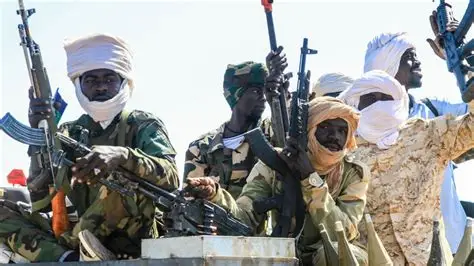
On a later visit, I spoke with displaced people in army-controlled camps who had fled el-Fasher in Darfur. They recounted mass killings and sexual violence by RSF fighters. The RSF’s takeover of western Darfur triggered international outrage due to these atrocities.
For a brief moment, it seemed world powers might intervene to stop the suffering. Yet despite condemnations, the conflict continues outside Khartoum, while global attention focuses on airstrikes in the Middle East.
As Sudan approaches the third anniversary of its devastating civil war, flights into Khartoum offer only a glimpse of normality. The root causes of the fighting remain unresolved. If international outrage has failed to end it, the question remains: what could compel both sides to finally seek peace?