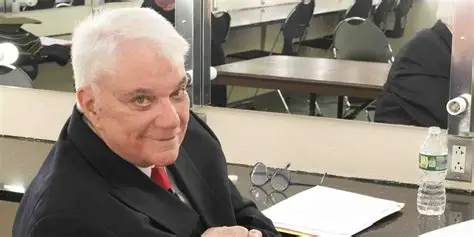
Rex Reed Dies at 87 Following Short Illness
Veteran film critic, journalist, and author Rex Reed has died at the age of 87. The outspoken entertainment personality passed away at his Manhattan home after battling a short illness.
The news of Reed’s death was confirmed on Tuesday by his longtime friend William Kapfer, who shared that the celebrated critic spent his final days surrounded by close friends and loved ones.
Reed’s passing marks the end of a long and influential career in entertainment journalism that stretched across newspapers, television, film criticism, celebrity interviews, and Broadway coverage.
A Legendary Voice in Entertainment Journalism
Rex Reed became one of the most recognizable names in American film criticism through his sharp opinions, dramatic writing style, and fearless celebrity commentary.
Over several decades, he built a reputation for delivering brutally honest movie reviews that often sparked debate across Hollywood and the media industry.
Readers knew Reed for his unapologetic style. He rarely softened criticism, and his commentary frequently generated headlines because of its directness and provocative tone.
His writing style helped him stand apart in an era when film critics played a major role in shaping public opinion about movies and celebrity culture.
Rex Reed’s Career Extended Beyond Film Reviews
Although many fans remember him primarily as a movie critic, Reed worked across multiple forms of media throughout his career.
He contributed to:
- Newspaper entertainment sections
- Celebrity journalism
- Television appearances
- Broadway commentary
- Magazine features
- Pop culture interviews
Reed also briefly explored acting while continuing to establish himself as a powerful entertainment voice.
His media presence expanded during a period when celebrity journalism was rapidly growing in popularity, helping him become a familiar personality to audiences nationwide.
Famous for Provocative Celebrity Interviews
One of Reed’s trademarks was his ability to create memorable celebrity interviews.
He often used provocative questions and controversial observations to capture attention and spark emotional responses from the people he interviewed.
His first book, Do You Sleep in the Nude?, became especially famous because of its bold title and unconventional interview style.
The book reflected Reed’s larger journalistic approach — provocative, theatrical, and intentionally attention-grabbing.
Throughout his career, Reed frequently interviewed major stars from Hollywood’s golden age and modern entertainment industry alike.
His Writing Style Divided Audiences
Rex Reed built both loyal admirers and outspoken critics during his long career.
Supporters praised his intelligence, wit, and fearless honesty. Many readers appreciated his willingness to criticize powerful Hollywood figures instead of following industry trends.
Others viewed his approach as overly harsh or controversial.
Still, Reed remained one of the few entertainment critics capable of generating national discussion with a single review or celebrity profile.
His influence became particularly strong during the peak years of newspaper entertainment journalism, when film critics held significant power over public perception and box office momentum.
Reed’s Memorable Commentary on Hollywood Icons
Reed became widely known for colorful descriptions of actors and performers.
In one memorable interview from years ago, he described legendary actress Bette Davis as exciting enough “to make the latest youth idols about as interesting as a withered logarithm.”
Comments like these reflected his dramatic writing style and sharp cultural observations.
He often blended criticism with humor, sarcasm, and literary references, making his reviews feel distinct from standard entertainment reporting.
The Changing Landscape of Film Criticism
Reed’s career also represented a different era of film journalism.
Before social media and online influencers reshaped entertainment coverage, critics like Reed played a central role in guiding audiences toward or away from movies.
Major publications once relied heavily on influential critics whose opinions could significantly affect a film’s reputation.
Reed became part of that powerful generation of entertainment writers who helped define cultural conversations around cinema.
Even as digital media transformed journalism, his name remained recognizable among longtime movie fans and readers.
Final Days in Manhattan
According to William Kapfer, Reed spent his final days at home in Manhattan while dealing with a short illness.
Friends and close companions reportedly remained by his side during his final moments.
At this time, additional details regarding memorial services or funeral arrangements have not been publicly announced.
Fans, journalists, and members of the entertainment industry continue to share tributes celebrating his decades-long contribution to film criticism and celebrity journalism.
Rex Reed’s Lasting Legacy
Rex Reed leaves behind a complicated but undeniable legacy in entertainment media.
He challenged celebrities, divided readers, and built a career around strong opinions in an industry often driven by publicity and image management.
His impact can still be seen in modern entertainment commentary, where bold opinions and personality-driven criticism continue to dominate public conversation.
While some criticized his methods, few could deny his ability to command attention and shape discussion around film and celebrity culture.
For generations of readers, Rex Reed represented a fearless and highly distinctive voice in entertainment journalism.
Key Takeaways
- Rex Reed died at age 87 after a short illness.
- He passed away at his Manhattan home surrounded by loved ones.
- William Kapfer confirmed the news of his death.
- Reed became famous as a provocative film critic and entertainment journalist.
- He worked across newspapers, television, Broadway coverage, and celebrity interviews.
- His first book, Do You Sleep in the Nude?, reflected his bold interview style.
- Funeral and memorial details have not yet been announced.