Wildlife cameraman Doug Allan built a remarkable career capturing some of the most extreme and beautiful environments on Earth. Known for his work in icy and remote regions, he documented life in the polar world both above and beneath the surface.
The Scottish photographer combined his expertise as a trained diver and marine biologist to film rare and powerful wildlife moments. He worked closely with Sir David Attenborough on major nature documentaries, including The Blue Planet, Planet Earth, and Frozen Planet.
Doug Allan passed away at the age of 74 after falling ill during a mountain trek in Nepal. His death marks the loss of a pioneer in wildlife filmmaking, but his legacy continues through the extraordinary images and footage he created.
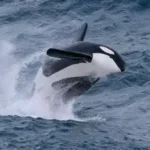
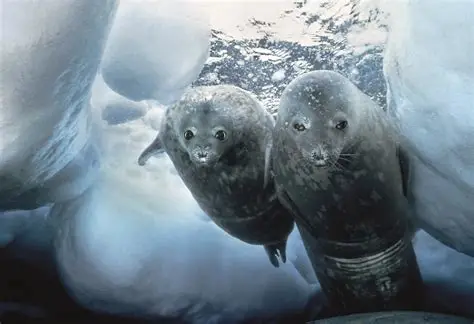
Throughout his career, Allan captured stunning scenes from across the Arctic and Antarctic. His work showcased animals such as walruses resting on sea ice, beluga whales gliding through dark waters, and Arctic foxes standing alone in vast snowy landscapes.
He also photographed large colonies of emperor penguins huddling together for warmth and documented intimate moments, such as a young penguin chick sheltered by its parent in the harsh Antarctic climate.
Allan’s images highlighted not only the beauty of these environments but also the impact of climate change. His photographs of melting ice and shifting landscapes helped raise awareness about the fragile state of the planet’s polar regions.
From polar bears resting on frozen ground to glowing ice formations under the midnight sun, his work continues to inspire and educate people around the world.
Doug Allan’s contribution to wildlife storytelling remains unmatched, and his images will continue to shape how we understand and appreciate the natural world.