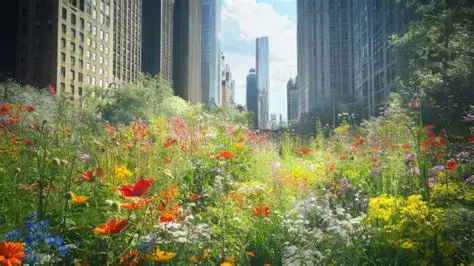
Wildflowers in the UK are disappearing from traditional meadows, but they are finding new life in urban environments. As modern agriculture expands, natural habitats have declined, pushing many wild plant species toward cities where conditions can surprisingly support their growth.
Wildflower meadows once formed some of the most diverse ecosystems in the UK. They also played an important role in folklore, medicine, and cultural traditions. However, conservation groups report that around 97% of these meadows have disappeared over the past century. Since the 1950s, more than half of the country’s native plant species have also declined.
Several factors have driven this loss. Intensive farming practices have reduced grazing land and increased the use of pesticides and fertilisers, leaving little space for wild plants to survive. In addition, invasive species and climate change continue to put pressure on native flora.
Despite these challenges, cities are emerging as unexpected safe havens for wildflowers.
🌼 Why Wildflowers Are Thriving in Cities
Wildflowers grow naturally without human planting, but they are often confused with weeds. The difference depends on perspective—what one person considers a weed, another may value as a wildflower.
In rural areas, farmland is tightly controlled, and plants that are not crops are removed. This leaves little opportunity for wildflowers to grow. In contrast, urban environments provide patches of land where maintenance is less intensive, allowing wild species to take root.
Local councils and environmental groups are increasingly creating space for wildflowers in cities to improve biodiversity. Roadsides, parks, and even small gaps in pavements can support these resilient plants.
🌱 A New Urban Habitat
Cities may seem like harsh environments, but they offer unique advantages. Wildflowers thrive under stress, and urban settings provide exactly that. Tough conditions limit competition from other plants, giving wildflowers a better chance to grow.
Researchers are also beginning to pay more attention to urban ecosystems. Although cities were once overlooked in ecological studies, experts now recognise their importance in supporting biodiversity and improving human well-being.
As awareness grows, urban areas could play a key role in protecting wildflowers and preserving the UK’s natural heritage.