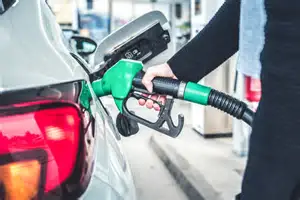
Petrol Prices Iran War Crisis Deepens as Fuel Costs Reach New High
Petrol prices have climbed to their highest level since the start of the Iran conflict, creating fresh financial pressure for households and businesses already struggling with rising living costs.
The petrol prices Iran war situation continues to affect drivers worldwide as oil markets react to ongoing geopolitical tensions in the Middle East. Rising crude oil prices, fears surrounding global energy supplies, and uncertainty over future military action have all contributed to the latest surge at fuel stations.
Drivers now face significantly higher costs every time they fill up their vehicles, while governments are under growing pressure to ease the burden through tax freezes and economic support measures.
The latest fuel price increase also threatens to complicate inflation recovery efforts as economies continue dealing with the long-term effects of global instability.
Petrol Prices Reach Highest Level Since 2022
According to new fuel market data, the average price of unleaded petrol rose to 158.52p per litre on Tuesday.
That figure marks the highest level recorded since the energy shock that followed Russia’s invasion of Ukraine in late 2022.
The rise means petrol now costs drivers roughly 25.7p more per litre compared to prices before military strikes linked to the Iran conflict began earlier this year.
Diesel prices have also surged sharply.
Current Fuel Price Levels
- Unleaded Petrol: 158.52p per litre
- Diesel: 185.92p per litre
- Petrol increase since February: 25.7p
- Diesel increase since February: 43.5p
The rising costs are expected to place even greater strain on household budgets during upcoming holiday travel periods.
Why the Petrol Prices Iran War Crisis Is Worsening
The biggest reason behind the latest fuel surge is the dramatic increase in oil prices following escalating tensions in the Middle East.
Global energy markets reacted strongly after conflict near Iran disrupted shipping routes and increased fears about future oil supply shortages.
One of the largest concerns involves the Strait of Hormuz, one of the world’s most important energy trade routes.
Why the Strait of Hormuz Matters
- Handles roughly one-fifth of global oil exports
- Critical route for oil and gas shipments
- Major supply link for international markets
- Central to Middle East energy transport
Any disruption in the region immediately impacts oil prices because traders fear supply interruptions.
As uncertainty grows, energy companies often increase prices to account for future risks.
Oil Prices Have Jumped More Than 55%
Brent crude oil prices have risen sharply since the start of the Iran conflict.
Energy analysts estimate oil prices climbed more than 55% during the crisis, sending shockwaves through transportation and fuel markets.
Although oil prices dipped slightly after comments suggesting possible diplomatic negotiations, market volatility remains extremely high.
Investors continue monitoring:
- Military developments
- Shipping disruptions
- International negotiations
- Sanctions and trade policies
Even small geopolitical developments can quickly change oil market expectations.
That uncertainty keeps fuel prices unstable for consumers.
Drivers Face Growing Financial Pressure
The petrol prices Iran war crisis is becoming a major financial issue for everyday drivers.
Higher fuel prices affect far more than just transportation costs. Rising petrol and diesel expenses also increase:
- Food delivery costs
- Shipping expenses
- Public transportation pressure
- Business operating costs
As transportation becomes more expensive, companies often pass those additional costs onto consumers through higher retail prices.
For families already managing high housing, food, and utility expenses, rising fuel costs create another difficult challenge.
Long-distance commuters and delivery workers are likely to feel the impact most severely.
Governments Face Pressure Over Fuel Duty
The latest fuel price surge has intensified pressure on political leaders to delay planned fuel tax increases.
Officials are reportedly considering extending fuel duty freezes to protect households from worsening economic conditions.
A rise in fuel duty could push prices even higher at the pump, creating additional frustration among motorists.
Why Fuel Duty Matters
- Fuel taxes directly affect pump prices
- Small tax changes impact millions of drivers
- Governments use freezes to reduce financial strain
- Rising taxes can accelerate inflation pressures
Consumer groups and transportation organizations continue urging policymakers to provide relief while energy prices remain elevated.
Inflation Concerns Continue to Grow
The petrol prices Iran war crisis may also affect broader inflation trends.
Fuel prices influence nearly every part of the economy because transportation supports:
- Retail supply chains
- Manufacturing distribution
- Airline operations
- Agricultural logistics
As fuel costs rise, inflationary pressure can spread across multiple industries.
Economists expect new inflation figures to show accelerating motor fuel costs despite some relief from lower household energy bill caps introduced earlier this year.
If oil prices remain high for an extended period, central banks may face additional challenges controlling inflation without slowing economic growth.
Petrol Prices Could Rise Even Further
Energy experts warn that petrol prices may continue climbing in the coming weeks.
Wholesale fuel market data suggests unleaded petrol could surpass 160p per litre unless oil prices experience a significant and sustained decline.
Several factors could push prices even higher:
- Escalating military tensions
- Reduced oil exports
- Shipping disruptions
- Increased global energy demand
At the same time, any successful diplomatic negotiations could stabilize markets and reduce pressure on fuel costs.
For now, however, uncertainty continues dominating global energy trading.
Consumers Are Adjusting Spending Habits
The ongoing fuel crisis is already changing consumer behavior.
Many households are:
- Reducing unnecessary travel
- Combining shopping trips
- Using public transportation more often
- Delaying long-distance holidays
Businesses are also adjusting delivery schedules and operating budgets to manage higher transportation expenses.
The longer fuel prices remain elevated, the greater the economic impact may become across multiple industries.
Energy Markets Remain Highly Volatile
Oil markets remain extremely sensitive to political and military developments linked to the Iran conflict.
Even announcements about possible negotiations can quickly shift oil prices by several percentage points in a single day.
That volatility makes forecasting future fuel prices especially difficult.
Energy traders continue closely monitoring:
- Middle East diplomacy
- Military activity
- Shipping security
- International sanctions
Until markets receive clearer signals about long-term stability, fuel prices are likely to remain unpredictable.
Final Thoughts on the Petrol Prices Iran War Crisis
The petrol prices Iran war situation has quickly become one of the most important economic concerns facing drivers and households.
Fuel costs have surged to levels not seen since the major energy crisis of 2022, placing additional strain on consumers already dealing with rising living expenses.
With oil prices still highly unstable and geopolitical tensions unresolved, drivers may continue facing expensive trips to the pump for the foreseeable future.