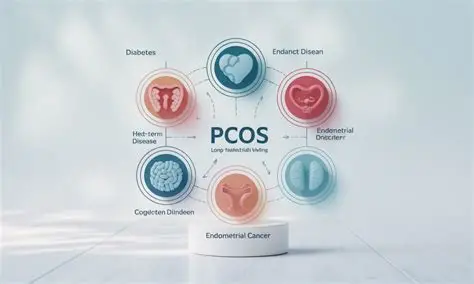
PCOS Renamed PMOS to Better Reflect the Condition’s True Impact
A major shift in women’s health research has officially changed the name of one of the world’s most common hormonal disorders. After more than a decade of international research and consultation, polycystic ovary syndrome (PCOS) has been renamed polyendocrine metabolic ovarian syndrome (PMOS).
Researchers and health experts say the updated name more accurately reflects the condition’s full impact on hormonal, metabolic, reproductive, and mental health.
The decision follows 14 years of global research involving more than 22,000 survey responses from patients, doctors, researchers, and healthcare professionals worldwide.
The announcement was made during the 8th European Congress of Endocrinology in Prague and published in a leading medical journal.
Why PCOS Was Renamed PMOS
Experts leading the renaming initiative argued that the old term “polycystic ovary syndrome” created confusion and misunderstanding about the condition.
Many people believed the disorder only affected the ovaries or involved ovarian cysts. However, scientists now say the condition is far more complex.
Professor Helena Teede, who led the initiative, explained that the previous name placed too much emphasis on ovarian cysts while ignoring the disorder’s broader hormonal and metabolic effects.
She said many women with the condition do not actually have abnormal ovarian cysts, despite the name suggesting otherwise.
The new name — polyendocrine metabolic ovarian syndrome — shifts attention toward:
- Hormonal imbalance
- Metabolic dysfunction
- Insulin resistance
- Reproductive health
- Long-term cardiovascular risks
Health experts believe this change could improve diagnosis, awareness, and treatment worldwide.
What Does PMOS Mean?
The updated term breaks the condition into several important medical components.
Polyendocrine
This highlights that the condition affects multiple hormone systems throughout the body.
Metabolic
This reflects links to insulin resistance, obesity, type 2 diabetes, and cardiovascular disease.
Ovarian
This acknowledges reproductive symptoms and ovulation issues that many women experience.
Syndrome
This indicates a group of related symptoms rather than a single disease.
PMOS Affects Millions of Women Worldwide
PMOS remains one of the most common hormonal disorders among women of reproductive age.
Researchers estimate the condition affects around 170 million women globally.
The disorder can impact:
- Fertility
- Menstrual cycles
- Weight management
- Skin health
- Hair growth
- Mental wellbeing
- Long-term metabolic health
Despite its widespread impact, many women continue to face delayed diagnosis and limited understanding of the condition.
Experts hope the updated terminology will improve awareness among both patients and healthcare professionals.
Common Symptoms of PMOS
Women can still be diagnosed using the same medical criteria previously used for PCOS.
A diagnosis typically requires two out of three main symptoms.
1. Irregular Periods or Ovulation Problems
Many women experience:
- Missed periods
- Irregular menstrual cycles
- Difficulty ovulating
- Fertility challenges
These symptoms often appear during adolescence or early adulthood.
2. High Androgen Levels
PMOS can increase levels of male hormones known as androgens.
This may lead to:
- Excess facial or body hair
- Acne
- Hair thinning
- Weight gain
Hormonal imbalance remains one of the condition’s central features.
3. Ovarian Follicles Seen on Ultrasound
Doctors may detect multiple small fluid-filled follicles during an ultrasound scan.
However, researchers now stress these are not the same as dangerous ovarian cysts.
Recent findings revealed women with PMOS are not more likely to develop abnormal ovarian cysts than women without the condition.
New Research Challenges Longstanding Assumptions
One of the most significant findings behind the name change involved ovarian cysts themselves.
A major study published alongside the renaming initiative found no evidence that women with PMOS have higher rates of abnormal ovarian cysts.
This discovery challenged decades of misunderstanding surrounding the condition.
Researchers believe the old name may have contributed to:
- Misdiagnosis
- Patient confusion
- Delayed treatment
- Limited understanding among healthcare providers
The new terminology aims to correct those misconceptions.
PMOS and Metabolic Health Risks
Researchers emphasize that PMOS is not only a reproductive condition.
The syndrome also carries major metabolic health risks.
Women with PMOS often experience:
- Insulin resistance
- Central obesity
- Elevated blood sugar levels
- Increased risk of type 2 diabetes
- High blood pressure
- Cholesterol abnormalities
These metabolic issues can raise the risk of heart disease and stroke later in life.
Because of this, experts say women need broader medical support beyond fertility treatment alone.
Mental Health Impact of PMOS
The condition can also significantly affect mental wellbeing.
Many women report higher rates of:
- Anxiety
- Depression
- Low self-esteem
- Body image concerns
- Emotional distress
Symptoms such as acne, weight gain, and hair growth can negatively affect confidence and quality of life.
Experts say the updated name helps validate the experiences many women have long reported.
How the Name Change Could Improve Treatment
Researchers hope the new terminology will encourage doctors to approach the condition more holistically.
Instead of focusing only on reproductive symptoms, healthcare providers may now pay greater attention to:
- Hormonal health
- Metabolic screening
- Cardiovascular risk
- Mental health support
- Lifestyle interventions
The change may also encourage earlier diagnosis and better long-term care.
Key Differences Between PCOS and PMOS
| Previous Name | New Name |
|---|---|
| Focused mainly on ovaries | Reflects whole-body hormonal effects |
| Suggested ovarian cysts were central | Highlights metabolic and endocrine health |
| Often misunderstood by patients | Better explains the condition |
| Limited broader awareness | Encourages comprehensive care |
Experts Believe Awareness Will Improve
Medical researchers involved in the project believe the new name can help reduce stigma and confusion.
Professor Terhi Piltonen, part of the international research team, said the goal is to improve patient care and ensure more women receive proper diagnosis and treatment.
Experts also hope the change encourages healthcare systems to recognize PMOS as a lifelong condition requiring ongoing management.
Lifestyle and Management of PMOS
Although there is currently no cure, many women manage symptoms successfully through medical care and lifestyle changes.
Treatment options may include:
- Balanced nutrition
- Regular exercise
- Hormonal therapy
- Fertility treatment
- Blood sugar management
- Mental health support
Early intervention often improves long-term outcomes.
Final Thoughts
The renaming of PCOS to PMOS marks one of the biggest updates in women’s health terminology in recent years.
Researchers say the change better reflects the condition’s complex hormonal and metabolic nature instead of focusing narrowly on ovarian cysts.
By improving understanding and awareness, health experts hope millions of women worldwide will receive earlier diagnoses, more accurate treatment, and better long-term care.
The shift also sends a broader message: women’s health conditions deserve language that reflects medical accuracy and patient experience.