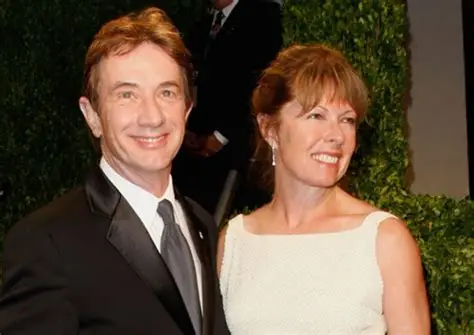
Martin Short’s Daughter: Heartbreaking 2026 Loss Remembered With Care
Martin Short’s daughter Katherine Hartley Short died at the age of 42, leaving her family, friends and many admirers of the actor in mourning. The Short family confirmed the death through a representative and asked for privacy, describing Katherine as beloved and remembering the light and joy she brought into the world. Because the case involves a reported death by suicide, the story should be handled with care, restraint and respect for the family.
The first version of this report focused on the immediate news: Martin Short’s daughter had died, the family had issued a statement and several performances with Steve Martin were postponed. Later reporting added important context. Katherine was a licensed clinical social worker, had built a career around helping others and largely lived away from the entertainment spotlight despite being the eldest of Short’s three children with his late wife, Nancy Dolman.
Martin Short’s daughter should not be reduced to the circumstances of her death. A responsible update must explain the confirmed facts without graphic detail, avoid speculation about private struggles and acknowledge the wider impact on a family already familiar to millions through Short’s decades of work in film, television and comedy.
What the Family Confirmed About Martin Short’s Daughter
Martin Short’s daughter was identified in family statements as Katherine Hartley Short. The family said it confirmed her passing with profound grief and asked for privacy while they mourned. The statement did not invite public speculation, and it should be treated as the centre of the story.
People reported that Katherine died on 23 February 2026 and that the Los Angeles coroner confirmed her death by suicide. The article does not need to repeat method details or private emergency information to be accurate. The important confirmed points are her name, her age, the family’s statement, the cause reported by reputable outlets and the family’s request for privacy.
Martin Short’s daughter was 42. She was one of three children adopted by Short and Nancy Dolman, who married in 1980 and remained together until Dolman’s death from ovarian cancer in 2010. The couple also raised two sons, Oliver and Henry. Katherine’s life was mostly private, though she sometimes appeared publicly alongside her father.
The family’s words should guide the tone. This is not a story for dramatic framing, intrusive detail or speculation. It is a story about grief, privacy and the difficult public attention that follows when a celebrity’s family experiences a devastating loss.
Why Martin Short’s Daughter Lived Mostly Outside the Spotlight
Martin Short’s daughter had a life and career separate from the entertainment industry. Unlike her father, she did not build a public identity through acting, comedy or red-carpet visibility. Reports describe her as someone who stayed mostly out of the spotlight while working in mental health and social services.
The Guardian reported that Katherine earned a bachelor’s degree in psychology and gender sexuality studies from New York University and later received a master’s degree in social work from the University of Southern California. She went on to work as a licensed clinical social worker, including in private practice and community-focused mental-health support.
That professional background matters because it gives readers a fuller view of who she was. Martin Short’s daughter was not only a famous actor’s child. She was a trained professional whose work involved care, therapy and support for others. She was connected to mental-health advocacy and, according to reports, worked with organisations and clinical settings focused on reducing stigma and helping people in distress.
The article should therefore avoid treating her only as a note in her father’s biography. Martin Short’s daughter had her own education, career and relationships. The public may know her because of Short, but the family’s tribute points to a person remembered for warmth, love and kindness.
The Postponed Shows and Public Response
Martin Short’s daughter died while Short was scheduled to continue live performances with Steve Martin. Entertainment Weekly reported that shows planned for 27 February in Milwaukee and 28 February in Minneapolis were postponed after the family tragedy. The announcement used the phrase “unforeseen circumstances,” and tickets were expected to be honoured for future rescheduled dates.
That was an understandable decision. Live comedy depends on timing, energy and emotional presence. Grief does not fit neatly around a tour schedule, and performers should not be expected to continue immediately after the death of a child. The postponements gave Short space to be with his family and respond privately.
Martin Short’s daughter was also remembered as the wider awards season continued. Short was nominated at the 2026 Actor Awards for his role as Oliver Putnam in Only Murders in the Building, but he did not attend the ceremony. People reported that Steve Martin and Selena Gomez were also absent in solidarity with their co-star.
That public support reflected the affection Short has earned across the entertainment industry. However, the focus should remain on the family rather than turning grief into celebrity spectacle. The postponements and absences were relevant because they showed the immediate impact of the loss, not because they invited deeper intrusion.
A Family Already Shaped by Loss
Martin Short’s daughter was raised by Short and Nancy Dolman, whose own life and death remain central to the family story. Dolman, a Canadian actor, stepped away from show business in the 1980s to focus on family life. She died in 2010 after ovarian cancer.
Short has often spoken about loss with unusual openness. Long before Katherine’s death, he had experienced the death of close family members at a young age, including his brother, mother and father. He also spoke lovingly about Dolman in interviews, describing a marriage that remained emotionally present after her death.
This context should be used gently. It is not helpful to stack tragedies for effect. It is useful only because it explains why many fans and colleagues responded with such sympathy. Martin Short’s daughter died after the actor had already lived through several deeply personal losses, yet no public history can fully explain the pain of losing a child.
Grief is not a competition and should not be turned into a narrative device. The responsible point is simple: the Short family has asked for privacy, and that request deserves to be honoured.
Why Martin Short’s Daughter Requires Careful Language
Martin Short’s daughter died in circumstances that require sensitive reporting. Public-health and media guidance generally recommends avoiding graphic detail, avoiding sensational headlines, not presenting suicide as having one simple cause and including support information for readers who may be affected.
Those principles matter even more when the person who died is connected to a famous family. Celebrity coverage can spread quickly, and careless wording can cause further pain to loved ones while also affecting vulnerable readers. Responsible reporting should not describe methods, publish intrusive emergency details or turn private suffering into entertainment.
A careful article can still be honest. It can say that Martin Short’s daughter died by suicide when that has been confirmed by reputable reporting. It can also say that the family has not provided further detail and has requested privacy. What it should not do is speculate about motives, diagnose someone from a distance or treat one life event as a simple explanation for another.
This approach is not about hiding the truth. It is about telling the truth without causing avoidable harm.
Martin Short’s Daughter and Her Work in Mental Health
Martin Short’s daughter worked in a field that often requires emotional strength, patience and compassion. Reports describe her as a licensed clinical social worker who offered therapy and support through private practice and community-focused work. She also had connections with mental-health advocacy, including Bring Change 2 Mind, which works to reduce stigma around mental illness.
This part of her life should be included because it reflects service and identity. People who work in mental health often spend their careers helping others through pain, confusion and crisis. That work is meaningful, but it does not make anyone immune to suffering. A person can be trained to support others and still need support themselves.
The article should not draw conclusions about her private health beyond what has been responsibly reported. Martin Short’s daughter deserves to be remembered with dignity, not analysed from a distance. Her career can be acknowledged without turning it into an explanation for her death.
The broader lesson is that mental health support matters for everyone, including people who appear capable, successful or deeply committed to helping others. The News Ink’s healthy lifestyle coverage also treats mental wellbeing, routines and support systems as part of everyday health rather than a private weakness.
How Fans Should Respond
Martin Short’s daughter was not a public official, performer or celebrity in the same way her father is. That matters. Public sympathy can be kind, but it should not become public entitlement. Fans may feel sadness because they admire Short and recognise his work across generations. That feeling is human. The respectful response is to offer compassion without demanding more information.
The best public response is simple: respect the family’s privacy, avoid sharing graphic or speculative posts, and remember that behind the headline is a real family. Comments that search for blame, repeat unverified details or treat the death as a mystery to solve do not help anyone.
Martin Short’s daughter lived mostly privately, and that privacy should continue after her death. The family’s statement gave the public enough: Katherine was beloved, the family is devastated and they want space to grieve.
Fans who want to support Short can do so by allowing that silence. Not every tragedy needs public interpretation.
Why the Entertainment Angle Should Stay Secondary
Martin Short’s daughter died while Short remained one of television’s most admired comedy actors. He is known for films such as Three Amigos, Father of the Bride and Innerspace, and in recent years he has reached new audiences through Only Murders in the Building. Readers can explore more entertainment coverage through The News Ink’s movies and streaming services section and its wider music and pop culture coverage.
Still, the entertainment angle should not dominate this article. Awards nominations, postponed performances and co-star support are relevant only because they show how the loss affected Short’s public commitments. They should not overshadow Katherine herself.
Martin Short’s daughter had her own life outside the projects that made her father famous. That balance is important for ethical coverage. A headline may mention Short because readers recognise him, but the article should not treat Katherine as merely an extension of his career.
A good entertainment report can be compassionate. It can acknowledge Short’s work without turning his grief into promotion or spectacle.
A Support Note for Readers
Martin Short’s daughter died by suicide, and some readers may find the subject distressing. If you are in immediate danger or feel unable to stay safe, contact emergency services now. If you are in the United States, you can call, text or chat with the 988 Suicide & Crisis Lifeline for free, confidential support 24/7. In the UK and Ireland, Samaritans can be reached free on 116 123. If you are elsewhere, contact your local emergency number, a trusted healthcare professional or a crisis support service in your country.
Mental-health crises can be isolating, but support is available. People affected by grief, depression, trauma or suicidal thoughts do not need to face those moments alone. Reaching out to a friend, family member, doctor, therapist or crisis line can be a first step toward safety.
This note is included because responsible reporting on suicide should point readers toward help rather than only describing loss.
Remembering Martin Short’s Daughter With Restraint and Respect
Martin Short’s daughter Katherine Hartley Short died at 42, and the family’s request for privacy should remain the guiding fact in every update. The confirmed story is painful enough without speculation. She was loved by her family, remembered for the light and joy she brought into the world and known professionally for work connected to mental health and social support.
The public will naturally think of Martin Short because his career has brought laughter to millions. But this story is not about comedy, awards or a postponed show. It is about a family experiencing an unimaginable loss.
Martin Short’s daughter should be remembered with care. That means using respectful language, avoiding unnecessary detail and allowing the family space to grieve. It also means recognising that stories involving suicide carry responsibility. The strongest article is not the most dramatic one. It is the one that tells the confirmed facts, honours the person who died and helps readers find support if they need it.