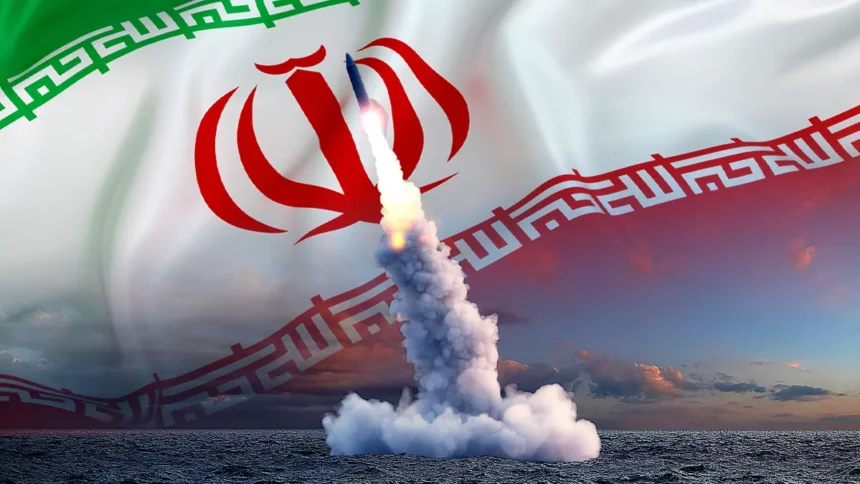
A fragile ceasefire in Iran has brought a sense of cautious calm, but uncertainty still dominates public sentiment. As spring spreads across the northwestern plains, more people are returning home after weeks of conflict.
At a border crossing between Turkey and Iran, travelers share mixed emotions. A banker who had stayed in Turkey for a month described the war as intense but said most airstrikes targeted military sites rather than civilian areas. Now, with a temporary truce in place, he feels it is safe enough to return.
Others remain deeply concerned. An elderly woman spoke about the hardships faced by ordinary citizens during the conflict. She described damage to residential neighborhoods and ongoing fears caused by security forces such as the Basij. Despite the ceasefire, anxiety continues to shape daily life.
Many Iranians doubt the truce will last. A young woman expressed skepticism, saying the situation could quickly deteriorate again. She also pointed to tensions over the Strait of Hormuz, a critical route for global oil shipments, as a key source of ongoing conflict.
As travelers cross into Iran, conversations often turn to geopolitical concerns. Some believe the United States will continue to exert pressure, making a long-term agreement difficult. While diplomatic talks continue behind the scenes, trust remains fragile on both sides.
The ceasefire has created a brief window of relief, allowing families to reunite and daily life to resume. However, many people remain cautious, aware that the situation could change at any moment.
For now, hope exists—but it is tempered by uncertainty about whether a lasting peace deal between Iran and the United States can truly be achieved.