Under a fragile ceasefire, many Iranians remain uncertain about whether diplomacy with the United States can bring lasting peace.
Across northwestern Iran, signs of normal life are slowly returning. Roads are busier, and some citizens are coming back home after weeks of conflict. However, fear and uncertainty continue to shape public sentiment.
At a border crossing with Turkey, travelers shared mixed emotions. One man, who had spent weeks abroad during the conflict, said recent airstrikes mostly targeted military sites rather than civilian areas. Others expressed deeper anxiety, especially over the suffering caused by the war and the ongoing security presence in cities.
⚠️ A fragile peace
The ceasefire, now entering its second week, has offered temporary relief after five weeks of intense fighting involving US and Israeli strikes. Yet many people doubt it will last.
Some citizens believe geopolitical tensions—particularly over the Strait of Hormuz—will prevent a lasting agreement. This strategic waterway remains a key point of conflict between Iran and global powers.
🚗 Damage and disruption across the country
Travel across Iran highlights the war’s impact. Major infrastructure has suffered significant damage, forcing drivers to take long detours. A key bridge linking cities like Tabriz and Tehran collapsed after missile strikes, disrupting a vital transport route.
Donald Trump recently warned that the US could destroy Iran’s infrastructure if tensions escalate again, although he added that such action is not the current goal.
Legal experts have criticised attacks on infrastructure, raising concerns about potential violations of international humanitarian law. Meanwhile, US and Israeli officials maintain that their operations target military assets.
🪖 Military and political shifts
Evidence of military strikes is visible across the region, including damaged bases linked to the Islamic Revolutionary Guard Corps. The conflict has also reshaped Iran’s political landscape.
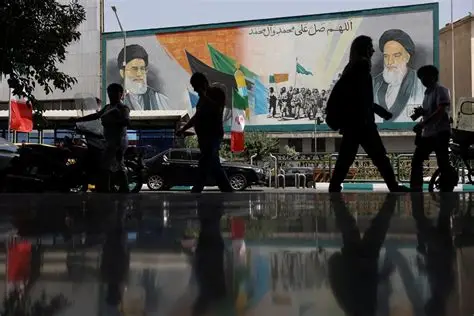
Images of past and present leaders, including Ayatollah Ali Khamenei, appear across public spaces as the country navigates a period of uncertainty following leadership disruptions during the war.
👩 Society continues to evolve
Despite the conflict, social changes remain visible. Many women continue to challenge strict dress codes, reflecting the lasting impact of the 2022–2023 protests. This ongoing shift highlights a society balancing tradition, resistance, and reform.
🤝 Can diplomacy succeed?
Behind the scenes, diplomatic efforts continue. Talks between US and Iranian officials, including meetings involving Vice-President JD Vance and Iranian representatives, suggest both sides are still exploring a negotiated solution.
Although initial discussions appeared firm, recent statements indicate a more flexible approach, keeping hopes for a deal alive.
For now, the ceasefire offers only a temporary pause. For many Iranians, the bigger question remains: will diplomacy bring lasting peace, or is this calm just the quiet before another escalation?