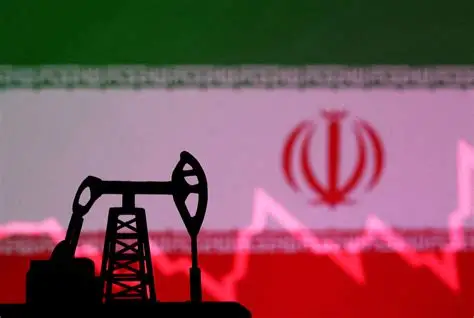
How the Iran War Could Affect Fuel Prices, Mortgages and Household Bills
The Iran war is no longer only a foreign-policy crisis for UK households watching from a distance. It is becoming a cost-of-living story, moving through oil markets, gas contracts, fuel pumps, mortgage pricing and rural heating bills. The impact is uneven, but the direction is clear: when energy routes become uncertain, everyday costs can rise quickly.
For most families, the first sign is usually petrol or diesel. Then comes the quieter pressure: higher delivery costs for retailers, more expensive wholesale gas, energy-price-cap changes, mortgage lenders repricing deals and renewed concern that inflation may stay above target for longer. The Iran war does not automatically mean a repeat of the 2022 energy shock, but it has reopened some of the same household anxieties.
The key reason is geography. The conflict has raised fears over shipping through the Strait of Hormuz, one of the world’s most important oil and gas chokepoints. Reuters reported that attacks and renewed military escalation have made refiners uncertain about cargo deliveries, while some buyers are looking for alternative supplies. That uncertainty feeds a “war premium” into oil and refined fuel markets. When traders pay more for risk, consumers often feel it later.
This article explains the five main ways the Iran war could affect UK household finances: fuel prices, mortgage rates, gas and electricity bills, heating oil, and wider inflation. It also explains what families can realistically do now, without panic or false promises.
The Household Impact at a Glance
| Household cost | Main pressure from the Iran war | Who feels it first |
|---|---|---|
| Petrol and diesel | Higher crude oil and refined fuel prices | Drivers, delivery firms, commuters |
| Mortgages | Higher market rates and lender funding costs | Remortgagers and first-time buyers |
| Gas and electricity | Wholesale gas volatility and price-cap changes | Households on default tariffs |
| Heating oil | Uncapped rural fuel prices and supplier disruption | Rural homes, many Northern Ireland households |
| Food and services | Higher transport and energy costs | Most households, especially low-income families |
The Iran war does not affect every bill at the same speed. Fuel prices can move within days. Mortgage deals can be pulled and relaunched within hours. The Ofgem price cap changes quarterly. Food inflation can take longer because it moves through transport, refrigeration, packaging, wages and retailer pricing decisions.
That timing matters. A household may not feel the full cost immediately, but pressure can build in stages.
1. Fuel Prices: The Fastest Hit for Drivers
Fuel prices are usually the first visible sign of an oil shock. Petrol and diesel are closely linked to global crude prices, refined product markets, exchange rates, tax and retailer margins. When the Iran war pushes oil prices higher, drivers can see the impact at forecourts faster than they see it in other household bills.
The RAC says it is tracking how UK pump prices are being affected by the Middle East conflict that began on 28 February 2026. RAC Fuel Watch also explains that pump prices are affected by wholesale fuel prices, which are themselves influenced by the global price of crude oil. That link is why drivers often notice geopolitical tension before other households do.
The latest market pressure is not theoretical. Reuters reported that Middle East crude prices strengthened after attacks raised concerns about exports and shipping through the Strait of Hormuz. Industry sources said the latest wave of tension could deter shippers from entering the Gulf, while buyers may need alternative supplies from other regions. Refined diesel and jet-fuel markets also strengthened as tensions rose.
For UK drivers, the risk works in three stages:
- crude oil becomes more expensive;
- wholesale petrol and diesel rise;
- pump prices increase once retailers buy dearer stock.
The pass-through is not always instant. Some forecourts still sell fuel bought at earlier prices. Supermarkets may delay rises or compete locally. The pound-dollar exchange rate also matters because oil is priced internationally in dollars. But if higher prices last, pump prices usually follow.
The Iran war also affects more than private car journeys. Delivery vans, lorries, taxis, buses, tradespeople and food-distribution networks all depend on fuel. If diesel becomes more expensive, the cost of moving goods rises. That can eventually show up in supermarket prices, service charges or business margins.
For readers following the wider market story, The News Ink’s coverage of global markets and oil prices explains how quickly energy shocks can spread beyond the pump.
2. Mortgages: Why a War Can Affect Fixed Rates
At first glance, the Iran war and UK mortgage rates may seem unrelated. A homeowner in Birmingham or Manchester is not buying oil cargoes in the Gulf. But mortgage pricing depends heavily on financial markets, inflation expectations and the cost of money over future years. When investors think inflation could remain higher, market interest rates can move quickly.
That is exactly why mortgage deals can be repriced during geopolitical shocks. Lenders do not only look at today’s Bank Rate. They look at swap rates, bond yields, competition, funding costs and expectations about where interest rates are heading. If the market starts pricing in higher inflation or fewer rate cuts, fixed-rate mortgages can rise.
Moneyfacts said the Iran conflict triggered the sharpest shock to the UK mortgage market since the 2022 mini-Budget, with average two-year fixed rates rising from 4.84% on 1 March 2026 to 5.84% on 1 April 2026. Average five-year fixed rates rose from 4.96% to 5.75% over the same period. It also said product availability fell as lenders pulled deals in response to fast-moving funding costs.
That is the practical issue for households. A borrower whose mortgage deal ends this year may find that the cheapest options disappear, reappear at higher rates or come with tighter affordability checks. First-time buyers may need a larger deposit, a lower purchase price or a longer mortgage term to keep monthly repayments affordable.
The Iran war can influence mortgage rates through this chain:
| Market step | Household result |
|---|---|
| Oil and gas prices rise | Inflation risk increases |
| Inflation risk rises | Rate-cut expectations weaken |
| Gilt yields and swap rates move | Lender funding costs increase |
| Mortgage products are repriced | Borrowers face higher monthly costs |
This does not mean every mortgage will rise immediately. Existing fixed-rate borrowers are protected until their deal ends. Tracker and variable-rate borrowers feel changes differently, depending on Bank Rate and lender decisions. But anyone within six months of remortgaging should pay attention.
The Bank of England’s February 2026 Monetary Policy Report expected Bank Rate to be reduced further if inflationary pressure continued to ease, but it also warned that the timing and extent of easing would depend on the inflation outlook. Renewed energy shocks make that judgement harder.
For readers managing wider money decisions, The News Ink’s personal finance coverage is useful because the mortgage story is not only about rates. It is about household cash flow, savings buffers and timing.
3. Gas and Electricity: The Price Cap Helps, But It Does Not Freeze Bills
Many UK households are partly protected by the Ofgem energy price cap, but “protected” does not mean bills cannot rise. The cap limits the unit rates and standing charges suppliers can bill customers on default tariffs in England, Scotland and Wales. It does not set a maximum total bill. Use more energy, and the bill is still higher.
Ofgem says the energy price cap for 1 July to 30 September 2026 is £1,862 per year for a typical direct-debit household, up 13% from the previous cap period. It also lists average direct-debit unit rates of 26.11p per kWh for electricity and 7.33p per kWh for gas from July to September.
That rise matters because wholesale gas prices are sensitive to Middle East instability. The Guardian reported on 14 July that oil and gas prices jumped after renewed US-Iran clashes, with the UK August gas contract climbing to its highest level in more than three months. The same report said financial markets began pricing in UK rate rises again because of inflation fears linked to energy prices.
Earlier in the year, Cornwall Insight warned that the July-September cap forecast had jumped to £1,801 after sharp increases in wholesale gas prices driven by conflict in the Middle East. The final Ofgem figure came in higher than that early March forecast, showing how quickly the outlook changed.
The price cap gives households some structure, but it does not remove volatility. Ofgem reviews the cap every three months. That means the October-December cap will depend partly on wholesale prices during the observation window, policy costs, network costs and supplier allowances.
For households, the practical message is:
- take meter readings when the cap changes;
- check direct debits against actual usage;
- avoid assuming the “typical bill” is your bill;
- ask suppliers about support if arrears build;
- compare fixed tariffs carefully, especially exit fees and unit rates.
The Iran war can make energy bills feel unpredictable, but households still have some control over usage, tariff checks and supplier communication. The News Ink’s energy and economy coverage can help readers follow the wider inflation and policy picture.
4. Heating Oil: The Sharpest Risk for Rural Homes
The most exposed households may be those using heating oil. Unlike gas and electricity customers on default tariffs, heating oil users are not protected by Ofgem’s domestic energy price cap. That means prices can move sharply when wholesale markets tighten.
The Guardian reported that about 1,700 UK heating oil customers are to receive compensation of up to £350 after deliveries were cancelled during a Middle East crisis price surge. It reported that heating oil jumped 92% at its April peak to 123p a litre, and that some customers may have paid £150 to £350 more after orders were cancelled and replacement deliveries were offered at higher prices.
The Competition and Markets Authority found that the price increases largely reflected rising wholesale costs, but also said heating oil customers are not as well protected as customers connected to the gas and electricity grid. The CMA recommended stronger safeguards and a new regulatory regime for heating oil suppliers.
This is where the Iran war hits households in a particularly unfair way. Rural families may have fewer alternatives. Many cannot switch quickly to mains gas. Some order oil only when the tank is low, leaving them exposed to price spikes. Others may panic-buy, which can worsen local shortages and push delivery schedules into crisis.
Heating oil households should consider:
- checking tank levels earlier than usual;
- avoiding last-minute emergency orders where possible;
- comparing local suppliers before committing;
- asking for written confirmation of price, delivery date and cancellation terms;
- keeping records if an order is cancelled;
- contacting consumer bodies if asked to pay much more after an accepted order.
This part of the story is also important for Northern Ireland, where heating oil is common. UK-wide energy discussions often focus on gas and electricity, but oil-heated households can face faster and sharper shocks.
5. Inflation: Why Bills Can Rise Even When Oil Is Not in the Basket
Inflation does not rise only because households buy petrol. Energy costs sit inside the economy. They affect transport, manufacturing, farming, refrigeration, packaging, logistics and wages. If the Iran war keeps oil and gas prices high, the pressure can reach many goods and services indirectly.
The Office for National Statistics said CPI inflation rose to 3.3% in March 2026, up from 3.0% in February, while CPIH rose to 3.4%. Food and non-alcoholic beverage inflation also rose to 3.7% in the year to March. Those figures were already above the Bank of England’s 2% target.
Before the latest escalation, official forecasts had been more reassuring. The OBR’s March 2026 Economic and Fiscal Outlook said a loosening labour market and falling energy and food inflation were expected to help inflation reach the 2% target in late 2026. The Bank of England’s February report also projected CPI inflation to return close to target in 2026, helped by lower energy prices and policy measures.
The problem is that those forecasts become less certain when energy prices surge again. If the Iran war keeps oil and gas elevated, the disinflation story becomes harder. That does not automatically mean another 2022-style inflation peak. But it can mean slower progress, fewer rate cuts, more cautious lenders and more pressure on household budgets.
The News Ink’s personal finance and economy pages are useful companion reads because inflation is not only a national statistic. It is the difference between whether wages, benefits, savings and bills move in the same direction.
Why This Is Not Yet a Repeat of 2022
The obvious comparison is Russia’s invasion of Ukraine and the energy crisis that followed. That comparison is useful, but it should not be pushed too far. The UK energy system, government policy, storage levels, supplier rules and household behaviour have all changed since then. Oil and gas markets are also responding to a different kind of conflict and different supply risks.
The Iran war is dangerous because of chokepoints, shipping risk and investor uncertainty. The 2022 crisis was shaped heavily by Europe’s dependence on Russian gas and the sudden need to replace it. Both crises hit energy markets, but the channels are not identical.
There are also buffers. Some suppliers hedge in advance. Some households are on fixed deals. Some businesses absorb part of the shock before raising prices. Governments can intervene if pressure becomes politically or economically unbearable. However, none of those buffers makes households immune.
The fairest conclusion is this: the Iran war has increased the risk of higher bills and more stubborn inflation, but the final impact depends on duration, shipping disruption, oil and gas supply, currency moves, government policy and market expectations.
What Households Can Do Now
No household can control oil markets, but families can still reduce exposure.
Drivers should compare local petrol prices, keep tyres properly inflated, remove unnecessary weight, drive smoothly and avoid panic-filling. Households that use cars for work should track mileage and costs carefully, especially if they claim expenses.
Mortgage borrowers with a deal ending within six months should speak to a broker or lender early. Many lenders allow rate reservations months before completion. If rates fall later, some borrowers can switch to a better deal before completion, depending on lender rules. Waiting until the last week is risky in a volatile market.
Energy customers should submit meter readings, check direct debit levels and ask suppliers about hardship support before debts grow. Fixed tariffs may be worth considering, but only after comparing unit rates, standing charges and exit fees against the current cap.
Heating oil users should avoid ordering only when tanks are nearly empty. Early planning gives more choice. Customers should also keep written records of orders, prices and delivery promises, especially after recent supplier-cancellation concerns.
Families worried about rising bills should review budgets in the order that matters most: housing, energy, council tax, food, transport, insurance and debt payments. Cutting small luxuries can help, but it will not solve a major mortgage or energy shock. Big fixed costs need early action.
The Bills to Watch Next
| What to monitor | Why it matters |
|---|---|
| Brent crude oil | Drives petrol, diesel and wider market sentiment |
| Wholesale gas prices | Feeds future energy price caps |
| Ofgem October cap announcement | Shows next phase for energy bills |
| UK gilt yields and swap rates | Influence mortgage pricing |
| Bank of England decisions | Shape tracker and variable-rate borrowing |
| Heating oil supplier behaviour | Affects rural household costs |
| Supermarket fuel margins | Determines how fast wholesale changes reach pumps |
| Food inflation | Shows whether transport costs are spreading |
The next major household moment is Ofgem’s October-December price-cap decision, due to be announced in late August. Mortgage markets can move before then. Fuel prices can move sooner still.
The Bottom Line
The Iran war could affect UK households through several connected channels. Fuel prices are the fastest and most visible. Mortgage rates are the most financially dangerous for borrowers coming off fixed deals. Gas and electricity bills are partly cushioned by the price cap but still exposed to wholesale volatility. Heating oil households are especially vulnerable because prices are not capped. Inflation is the thread running through all of it.
The situation is not guaranteed to become another 2022-style crisis. But it is serious enough for households to pay attention. The safest approach is not panic. It is preparation: check fuel costs, review mortgage timing, monitor energy usage, compare tariffs carefully, keep records for heating oil orders and build as much budget flexibility as possible.
The Iran war began as a geopolitical shock. For UK families, it is now a household-budget risk. The longer it lasts, the more likely that risk turns into higher bills.
This article is for general information only and is not personal financial advice. Anyone making mortgage, debt or investment decisions should consider speaking to a qualified adviser.
For more cost-of-living and finance coverage, follow The News Ink on X or read our latest reports on global markets and personal finance.