Can Sleep Snacks Really Help You Fall Asleep?
Sleep snacks have moved from a quirky wellness idea into a serious retail trend. Chocolate squares, gummy-style bites and bedtime chews now promise to make the night feel calmer, the body feel looser and the mind feel ready for rest. The idea is simple: instead of swallowing a capsule, you eat something that feels like a small reward before bed.
That appeal explains why sleep snacks are gaining attention. They sit at the crossroads of food, supplements and self-care. For people who do not want prescription sleep medicine, a chocolate with magnesium, chamomile or L-theanine can feel softer and more natural. For brands, the format is attractive because it turns sleep support into a lifestyle product rather than a clinical product.
But the central question is more complicated: can sleep snacks really help you fall asleep, or are they mostly clever packaging around familiar supplements?
The honest answer is mixed. Some ingredients commonly found in sleep snacks have evidence behind them, especially melatonin in specific short-term situations and magnesium in people who may be low in the mineral. Others, including chamomile, zinc, L-theanine and reishi mushroom, are more promising than proven. They may support relaxation for some people, but they are not magic switches for insomnia.
The bigger issue is that sleep is rarely caused by one missing ingredient. Stress, caffeine, alcohol, light exposure, irregular routines, pain, anxiety, shift work and underlying sleep disorders can all keep people awake. A snack may help someone wind down, but it cannot fix every reason the body refuses to sleep.
Why Sleep Snacks Are Suddenly Everywhere
The rise of the category reflects a wider change in how people buy wellness products. Many consumers want health support that feels easy, enjoyable and low-friction. A pill can feel medical. A drink powder can feel like a chore. A small chocolate before bed feels familiar.
Brands such as Alice Mushrooms market night-time chocolate as a blend of functional mushrooms, botanicals and nootropics designed to support sleep and relaxation. Its Nightcap product is promoted around ingredients including reishi, magnesium, zinc, chamomile and L-theanine. Other products in the same category use similar language, often combining one or two better-known sleep ingredients with a softer “calming” story.
That matters because sleep snacks are not only selling an ingredient list. They are selling a bedtime ritual. Ritual is powerful. The brain responds to repeated cues: dimming lights, brushing teeth, changing clothes, reading, stretching or drinking a warm caffeine-free beverage. A consistent snack could become part of that routine, especially if it replaces doomscrolling, alcohol or late caffeine.
The demand is easy to understand. The CDC says adults need enough sleep for mood, memory, heart health and metabolism, while IKEA’s 2025 global sleep survey reported a worldwide gap between the sleep people want and the sleep they get. In that survey, the United States ranked second from last for sleep quality.
That creates a huge opening for bedtime wellness products. When millions of people feel tired, stressed and short on time, a product that promises an easier night will always find an audience.
For The News Ink readers already exploring better rest, our wider guide to sleep quality explains why routines, light, bedroom comfort and daily habits matter before any supplement is considered.
What Usually Goes Into Sleep Snacks
Most sleep snacks use a familiar set of ingredients. The exact formula varies, but many products include some combination of melatonin, magnesium, zinc, chamomile, L-theanine, botanicals, mushrooms or amino acids.
| Ingredient | Why brands use it | What the evidence suggests |
|---|---|---|
| Melatonin | Helps signal sleep timing | Useful for some short-term circadian problems, but not a cure-all |
| Magnesium | Supports muscle and nerve function | May help some people, especially if intake is low |
| Chamomile | Traditional calming herb | Some evidence for fewer night awakenings, but results vary |
| L-theanine | Amino acid found in tea | May support relaxation at studied doses, but snack doses may be lower |
| Zinc | Mineral linked with many body functions | Early evidence suggests possible sleep-quality benefits |
| Reishi mushroom | Marketed for calm and stress support | Human sleep evidence remains limited |
| Dark chocolate base | Makes the product enjoyable | Can contain sugar and small amounts of caffeine or theobromine |
The table shows why sleep snacks are difficult to judge as a category. One product might contain a clinically meaningful amount of an ingredient. Another might contain a token dose mainly for label appeal. A third might combine several ingredients, making it hard to know which one is doing anything.
This is why consumers should check the Supplement Facts panel, serving size and warnings rather than relying only on front-of-pack language. In the United States, the FDA explains that dietary supplements must carry specific labelling information, but they are not approved like prescription medicines before sale.
That distinction is important. A sleep snack may be sold beside ordinary food, but if it contains supplement-style ingredients, it should still be treated with the same caution as a supplement.
Melatonin: Helpful for Timing, Not a Universal Sedative
Melatonin is one of the most recognised ingredients in the sleep market. It is a hormone the body naturally produces as darkness approaches, helping the circadian system prepare for sleep. Because of that, many people assume melatonin works like a sleeping pill.
It does not quite work that way.
The National Center for Complementary and Integrative Health says short-term use of melatonin supplements appears to be safe for most people, but long-term safety data are limited. NCCIH also notes that melatonin may help with jet lag and certain sleep-wake rhythm problems, while evidence for chronic insomnia is more limited.
That makes melatonin one of the more credible ingredients in sleep snacks, but also one of the ingredients most likely to be misunderstood. If a person cannot fall asleep because their body clock is delayed, melatonin may help reset timing. If a person cannot sleep because of untreated anxiety, sleep apnoea, pain or late-night caffeine, melatonin is less likely to solve the problem by itself.
There is another concern: dose. Some products contain more melatonin than consumers expect, and people may take more than one product in the same evening. If someone uses a melatonin gummy, drinks a sleep beverage and eats sleep snacks, they may unintentionally stack doses.
That is why occasional use is different from nightly dependence. Sleep snacks with melatonin should be approached carefully, especially by pregnant people, children, people with epilepsy, people using blood thinners, and anyone taking sedating medicines. A healthcare professional can give safer guidance when sleep problems are persistent or complicated.
Magnesium and Zinc: Useful Minerals, But Not Instant Sleep Buttons
Magnesium appears in many sleep snacks because it has a calm, wellness-friendly reputation. The mineral supports nerve function, muscle function and many enzyme systems. Some studies suggest magnesium supplementation may improve sleep measures, particularly in people with mild insomnia or low magnesium status.
A 2024 review in Nutrients concluded that supplemental magnesium is likely useful for mild anxiety and insomnia, especially when baseline magnesium status is low. That is promising, but it does not mean every person eating magnesium chocolate will fall asleep quickly.
For people already getting enough magnesium from nuts, seeds, legumes, leafy greens and whole grains, extra magnesium may do little. For people who are deficient, supplementation may help more. The form and dose also matter. Magnesium glycinate, citrate, oxide and threonate are not identical, and some forms can cause digestive side effects.
Zinc is similar. It is essential for immune function, cell growth and many biological processes. A 2024 systematic review suggested zinc supplementation may improve sleep quality, but researchers also called for more clinical research. That means zinc belongs in the “interesting but not final” column.
Sleep snacks that include magnesium and zinc may support the body, but they should not be treated as emergency sleep tools. They are minerals, not knockout agents. The best case is usually subtle support over time, not a dramatic effect after one square.
For readers thinking about the wider link between food, energy and recovery, The News Ink’s healthy lifestyle guide is a better starting point than depending on a single fortified product.
Chamomile and L-Theanine: Calming, But Dose Matters
Chamomile has been used as a calming herb for centuries, usually as tea. It is one of the least intimidating ingredients in sleep snacks because many people already associate it with bedtime. Modern research is cautiously positive but not overwhelming.
A 2024 systematic review on chamomile and sleep found that chamomile improved some sleep outcomes, especially awakenings after sleep, but did not improve every measure. In plain English, chamomile may help some people stay asleep or feel calmer, but it should not be oversold as a guaranteed insomnia treatment.
L-theanine is another popular ingredient. It is a non-protein amino acid found naturally in tea. It is often marketed for relaxation because studies suggest it may influence stress responses and calming brain signals. In the United States, the FDA database includes GRAS notices for L-theanine use in foods and beverages, including chocolate bars and chews.
The problem is that study doses and snack doses may not match. A 2025 systematic review reported that L-theanine supplementation around 200–450 mg per day appears to support healthy sleep. Many sleep snacks do not clearly provide that level per serving, or they combine smaller amounts with other ingredients.
This is a recurring problem in sleep snacks: the ingredient may have a scientific basis, but the serving may not match the science.
Reishi Mushroom: Trendy, Traditional and Still Uncertain
Reishi mushroom is one of the trendiest ingredients in functional foods. It has a long history in traditional wellness systems and is now used in powders, coffees, capsules and chocolates. In these products, reishi is usually presented as a calming mushroom that supports stress balance and restful sleep.
The evidence is still developing. Some laboratory and animal studies suggest compounds in Ganoderma lucidum, the scientific name for reishi, may affect fatigue or sleep-related pathways. A 2024 study on Ganoderma lucidum formulations explored anti-fatigue and sleep-aiding effects, but this does not automatically prove that a chocolate snack produces meaningful sleep improvement in humans.
That distinction is essential. Research on an extract, dose, formulation or animal model cannot be casually transferred to every consumer product. The body may respond differently depending on dose, extraction method, product quality and individual biology.
Reishi may be one reason some people enjoy sleep snacks. It may also contribute to the ritual and expectation of calm. But as of now, the strongest practical advice is caution: reishi sounds interesting, but it should not be the main reason someone ignores persistent sleep trouble.
The Hidden Issue: Dose Stacking
One of the most important safety concerns around sleep snacks is not one ingredient. It is the combination of many products.
Someone may eat a fortified chocolate, take a magnesium capsule, drink a calming tea, use a melatonin gummy and take a general multivitamin. Each item might look harmless alone. Together, they can create dose stacking.
Dose stacking is especially relevant because the wellness aisle increasingly mixes food, supplements and lifestyle products. A person may not think of a chocolate as a supplement. They may not count a sleep drink as a medicine. They may not realise that a “calm” gummy and a “night” bite use overlapping ingredients.
A simple checklist can help:
- Check whether the product contains melatonin.
- Look at the exact milligrams per serving.
- Avoid combining multiple sleep products unless a clinician says it is safe.
- Be careful with alcohol, sedatives, antihistamines and anti-anxiety medicines.
- Do not use adult sleep snacks for children unless advised by a paediatric clinician.
- Stop using the product if it causes morning grogginess, headaches, stomach upset or unusual dreams.
This is also where product transparency matters. Sleep snacks should clearly state active ingredients, serving size, timing, warnings and whether they are dietary supplements. Vague labels make it harder for consumers to use them responsibly.
Why the Snack Format Can Work Even When the Ingredient Effect Is Modest
The most underrated part of sleep snacks may not be the ingredient list. It may be the behaviour they encourage.
A consistent bedtime cue can help the brain transition from daytime activity to night-time rest. If someone eats one small snack, closes the kitchen, turns off bright lights and starts a quiet routine, the whole sequence may help. The snack becomes part of the signal.
This is not placebo in the dismissive sense. Rituals can shape behaviour. A small repeated action can reduce decision fatigue and create a boundary between work and rest. For some people, that is genuinely useful.
The problem comes when the ritual carries too much sugar, too much chocolate, too many supplement ingredients or unrealistic claims. Dark chocolate can contain small amounts of caffeine and theobromine, both of which may bother sensitive sleepers. Sweet snacks may also encourage late-night grazing, which can disrupt digestion for some people.
The best version of sleep snacks is modest: small serving, transparent dose, low sugar, no exaggerated claims and used as part of a wider routine. The worst version is a candy-like product that quietly encourages overuse.
Readers who often wake up tired despite spending enough time in bed may also find The News Ink’s explainer on feeling tired after enough sleep more useful than simply adding another supplement.
What Actually Improves Sleep More Reliably
Experts consistently return to the same foundation: sleep hygiene. That phrase may sound boring compared with new sleep snacks, but it remains more reliable than most products.
The American Academy of Sleep Medicine recommends consistent sleep schedules, enough time in bed for seven to eight hours of sleep, and avoiding bedtime unless you are sleepy. The NHS also advises a calm bedtime routine and avoiding phones, tablets and computers in the hour before bed because screen use can make falling asleep harder.
The basics are not glamorous, but they work because they target the system that controls sleep: the circadian rhythm, the nervous system and the environment.
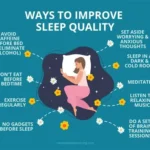
A stronger sleep routine usually includes:
- A consistent wake-up time, even on weekends.
- Morning daylight exposure.
- Reduced caffeine after early afternoon.
- A wind-down period without work messages or social media.
- A dark, cool and quiet bedroom.
- Regular physical activity, but not intense exercise right before bed.
- Lighter evening meals if heavy food causes reflux or discomfort.
- Medical help for snoring, choking, restless legs, panic, chronic pain or long-term insomnia.
Sleep snacks may fit into that routine, but they should not replace it. A chocolate square cannot overcome three espressos at 7 p.m., a bright phone in bed, irregular shift patterns and a bedroom that is too hot.
For broader daily habits, The News Ink’s article on simple lifestyle changes is a useful companion because sleep is closely linked with food, movement, stress and long-term health.
When Sleep Snacks Might Be Worth Trying
Sleep snacks may be reasonable for some adults when used occasionally and carefully. They may be worth trying if sleep difficulty is mild, short-term and linked to stress, travel or an inconsistent routine. They may also help people who benefit from a structured evening ritual.
The best candidates are people who:
- read labels carefully;
- avoid stacking products;
- choose low-sugar options;
- are not taking sedating medicines;
- do not have complex medical conditions;
- understand that the effect may be modest.
The people who should be more cautious include pregnant or breastfeeding people, children, older adults taking multiple medicines, people with epilepsy, people with liver or kidney disease, and anyone using blood thinners, sedatives, antidepressants or sleep medication.
Persistent sleep problems need more than a snack. If insomnia lasts for weeks, affects daily functioning, or comes with loud snoring, gasping, chest pain, depression or severe anxiety, it is time to speak with a healthcare professional. Sleep apnoea, restless legs syndrome, depression, thyroid problems, chronic pain and medication side effects can all hide behind the simple phrase “I cannot sleep.”
This article is for general information only. It is not a substitute for professional medical advice, diagnosis or treatment.
The Bottom Line on Sleep Snacks
Sleep snacks are not nonsense, but they are not miracle products either. Their strongest advantage may be convenience and ritual. Their biggest weakness is the gap between marketing language and clinical evidence.
Melatonin has a real role in sleep timing, especially short-term circadian problems, but it is not a universal sedative. Magnesium and zinc may help some people, particularly where intake is low, but they are not instant sleep switches. Chamomile and L-theanine may support relaxation, but dose matters. Reishi mushroom is interesting, but human evidence remains limited.
So can sleep snacks help you fall asleep? Sometimes, for some people, in the right context. But the better question is whether they are being used as a small support or as a substitute for healthier sleep habits.
The safest way to think about sleep snacks is this: a treat can support a bedtime routine, but it should not become the whole routine. The real foundation is still consistent timing, reduced evening stimulation, careful caffeine use, a comfortable sleep environment and medical support when symptoms persist.
For more everyday health coverage, readers can also join The News Ink on WhatsApp for fresh stories and practical explainers.