


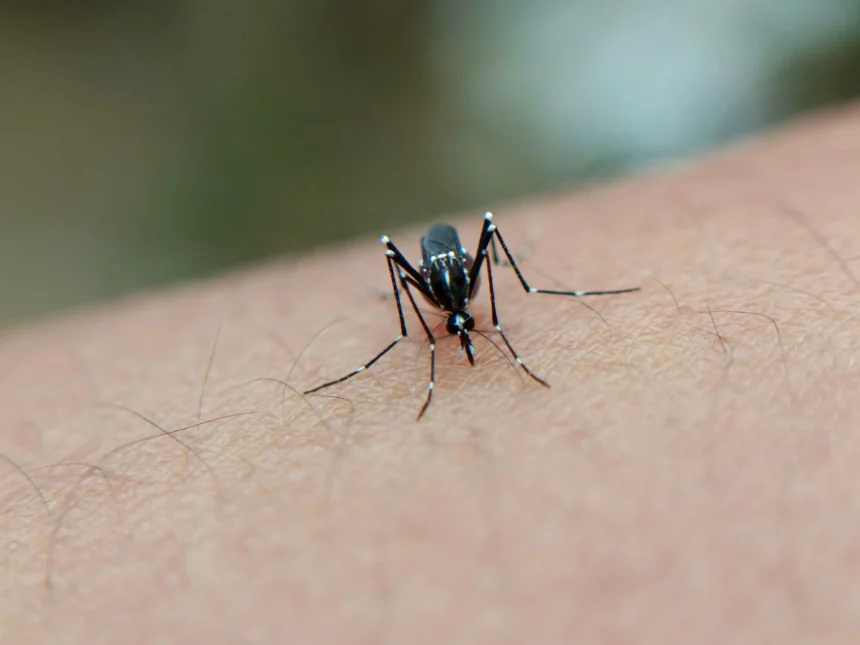
Dengue Fever Explained: Symptoms, Treatment, Warning Signs and Prevention
A mosquito bite may seem like a minor inconvenience, but in many parts of the world, it can transmit a virus capable of causing severe illness. Dengue fever is one of the most important mosquito-borne diseases, affecting millions of people and placing considerable pressure on healthcare systems across tropical and subtropical regions.
The danger of dengue fever is not limited to high temperatures or painful symptoms. Some patients develop complications involving blood vessels, circulation and internal organs. More concerningly, these complications can begin just as the fever disappears, when patients and families may believe the illness is improving.
According to the World Health Organization, approximately half the world’s population lives in areas at risk of dengue, with an estimated 100 million to 400 million infections occurring annually. Most infections cause no symptoms or relatively mild illness, but severe dengue can become life-threatening without timely medical care.
Understanding dengue fever means knowing how the virus spreads, which symptoms deserve attention, why certain patients become critically ill and what preventive measures actually work. It also requires separating medical evidence from common myths about platelet counts, home remedies and mosquito behavior.
What Is Dengue Fever?
Dengue fever is a viral infection caused by dengue viruses, collectively known as DENV. These viruses belong to the Flaviviridae family and are transmitted primarily through bites from infected female Aedes mosquitoes.
The disease is sometimes called break-bone fever because infected individuals can experience intense muscle, bone and joint pain. However, not every patient develops severe pain, and dengue can produce symptoms ranging from a mild fever to life-threatening complications.
The illness is particularly common in tropical and subtropical regions, including parts of South Asia, Southeast Asia, Latin America, the Caribbean and Africa.
Unlike bacterial infections, dengue fever cannot be treated with ordinary antibiotics. There is currently no specific antiviral medicine routinely recommended to cure dengue. Instead, treatment focuses on managing symptoms, maintaining appropriate hydration and identifying complications before they become dangerous.
The good news is that most symptomatic patients recover within one to two weeks. The challenge is recognizing the smaller proportion whose illness may progress into severe dengue.
How Does Dengue Fever Spread?
Dengue fever spreads mainly through infected mosquitoes, especially Aedes aegypti and, to a lesser extent, Aedes albopictus.
When a female mosquito bites someone who has dengue virus circulating in their blood, the mosquito may become infected. After the virus multiplies inside the insect, it can be transmitted to another person during a later bite.
The Centers for Disease Control and Prevention’s explanation of dengue transmission confirms that these mosquitoes commonly live close to people and reproduce in containers holding water.
Aedes mosquitoes are particularly successful in urban environments because they can breed in relatively small water collections.
Common breeding locations include flowerpot trays, discarded bottles, uncovered water tanks, buckets, blocked gutters and old tires.
Unlike the mosquitoes commonly associated with malaria, Aedes mosquitoes are especially active during daylight hours. Their biting activity often increases during the early morning and late afternoon, although bites can occur at other times.
Can Dengue Spread Directly Between People?
Dengue fever does not ordinarily spread through hugging, sharing food, coughing or casual contact.
A person with dengue can, however, infect another mosquito that bites them. That mosquito may subsequently transmit the virus to someone else.
Rare transmission through blood products, organ transplantation and from a pregnant mother to her baby has also been documented.
This explains why preventing mosquito bites remains important even after someone develops dengue fever.
The Four Types of Dengue Virus
Dengue fever is caused by four closely related viral types, called serotypes.
| Dengue serotype | Main characteristic |
|---|---|
| DENV-1 | Can cause mild or severe dengue |
| DENV-2 | Frequently associated with outbreaks and severe disease |
| DENV-3 | Can produce significant epidemics |
| DENV-4 | Causes similar clinical illness and can circulate alongside other serotypes |
These serotypes are related but immunologically distinct.
After recovering from an infection, a person generally develops long-lasting protection against the specific serotype responsible. Protection against the remaining serotypes is less durable.
Consequently, someone can experience dengue fever more than once.
A second infection with a different serotype is associated with a greater risk of severe disease, partly because of a complex immune response known as antibody-dependent enhancement.
This does not mean every second infection becomes dangerous. Many people recover without complications. Nevertheless, previous dengue infection is an important factor doctors consider when assessing a patient’s risk.
What Are the Symptoms of Dengue Fever?
Dengue fever usually begins approximately four to ten days after an infected mosquito bite.
Symptoms can appear suddenly, often starting with a high temperature and considerable discomfort.
According to the CDC’s clinical description of dengue, approximately one in four people infected with dengue virus develops symptomatic illness.
Common symptoms include:
-
High fever, sometimes reaching 40°C (104°F).
-
Severe headaches.
-
Pain behind the eyes.
-
Muscle, bone and joint pain.
-
Nausea and vomiting.
-
Loss of appetite.
-
Weakness and fatigue.
-
Skin rash.
-
Occasionally, swollen lymph nodes.
Some patients initially experience only fever and body aches, making dengue difficult to distinguish from influenza, malaria, chikungunya and other infections.
A rash may develop several days after symptoms begin. It can appear as reddish patches or widespread skin discoloration, but not everyone experiences it.
The severity of initial symptoms does not reliably predict whether complications will develop.
A patient with relatively moderate fever can still progress to severe dengue, while someone with intense body pain may recover without major complications.
That uncertainty makes medical assessment and monitoring especially important.
Seven Critical Warning Signs of Severe Dengue
The most dangerous feature of dengue fever is that severe complications can develop quickly, sometimes after the temperature begins returning to normal.
The CDC’s guidance on dengue symptoms and emergency warning signs emphasizes that severe dengue requires immediate medical attention.
Seven particularly important warning signs are:
-
Severe abdominal pain: Persistent or intense stomach pain, particularly when accompanied by tenderness.
-
Repeated vomiting: Vomiting that continues or prevents adequate fluid intake.
-
Unusual bleeding: Bleeding from the gums, nose or other mucosal surfaces.
-
Blood in vomit or stool: A potentially serious sign requiring emergency assessment.
-
Rapid or difficult breathing: Possible evidence of fluid accumulation or circulatory complications.
-
Extreme weakness or altered behavior: Marked drowsiness, restlessness, irritability or confusion.
-
Cold, pale or clammy skin: Especially when accompanied by faintness, weakness or signs of poor circulation.
These are not the only possible warning signs. Doctors also monitor laboratory findings, fluid accumulation and changes in blood pressure.
Any warning sign warrants urgent medical assessment. Severe breathing difficulty, fainting, major bleeding or suspected shock requires emergency care immediately.
Patients should not wait for every symptom to appear before seeking treatment.
Why Can Dengue Become Dangerous After the Fever Disappears?
This is one of the most important facts about dengue fever.
When a patient’s temperature falls, the family may assume the infection is ending. However, the transition from the febrile phase to the critical phase can coincide with increased leakage of fluid from small blood vessels.
This can reduce the amount of fluid circulating effectively through the bloodstream.
Without timely treatment, the patient may develop dangerously low blood pressure, shock or fluid accumulation affecting breathing.
The critical period often occurs around days three to eight after fever onset, although the exact timing varies.
For that reason, a falling temperature should not be treated as proof of recovery. Warning signs and hydration status matter more than temperature alone.
Understanding the Three Stages of Dengue Fever
Doctors commonly describe dengue fever through three clinical phases.
| Phase | Typical features | Important consideration |
|---|---|---|
| Febrile phase | Fever, headache, body pain and sometimes rash | Dehydration and early symptoms need monitoring |
| Critical phase | Fever decreases; some patients develop plasma leakage or shock | Warning signs require urgent care |
| Recovery phase | Circulation stabilizes, appetite improves and strength returns | Continued monitoring may be necessary |
The febrile phase usually lasts several days.
Most patients move from fever into recovery without developing severe complications. Those who enter the critical phase require close evaluation, particularly if vomiting, bleeding, abdominal pain or circulatory changes occur.
During recovery, appetite often improves and normal fluid balance gradually returns.
However, tiredness and reduced energy can persist for several weeks.
People recovering from dengue fever should avoid returning too quickly to demanding physical activities, especially when fatigue remains significant.
Who Is Most at Risk of Severe Dengue?
Anyone infected with dengue virus can develop serious complications, but certain circumstances increase concern.
A previous infection with a different dengue serotype is an established risk factor.
Infants, pregnant patients, older adults and people with significant underlying illnesses may also require closer medical assessment because complications can be harder to tolerate or manage.
Conditions such as diabetes, kidney disease and cardiovascular illness can complicate treatment decisions.
Pregnancy deserves particular attention because dehydration, bleeding and severe maternal illness can threaten both mother and baby.
However, risk factors do not determine the outcome of every infection.
A previously healthy adult may develop severe dengue, while someone with risk factors may experience only mild symptoms.
The safest approach is to assess actual clinical warning signs rather than assuming someone is protected because they are young or generally healthy.
How Is Dengue Fever Diagnosed?
Dengue fever cannot always be identified through symptoms alone.
Doctors typically assess the patient’s fever, physical findings, travel history, recent mosquito exposure and local outbreak conditions.
Blood tests can help confirm the infection.
The appropriate test depends partly on how many days have passed since symptoms began.
According to the CDC’s dengue testing recommendations, molecular testing and NS1 antigen testing are most useful during the early stage of illness.
| Test | Main purpose | Typical use |
|---|---|---|
| RT-PCR or other NAAT | Detects dengue viral genetic material | Usually most useful during the first seven days |
| NS1 antigen | Detects a dengue viral protein | Commonly useful during the first seven days |
| IgM antibody | Detects the immune response to recent infection | Becomes more useful after the first several days |
| Complete blood count | Evaluates platelets, white cells and hematocrit | Helps monitor illness and complications |
A negative test early in the illness does not always exclude dengue.
IgM antibody results can also be difficult to interpret because antibodies sometimes react with related viruses.
Importantly, treatment should not be delayed while waiting for laboratory confirmation when clinical findings suggest dengue.
Doctors may also test for other infections, particularly when malaria, chikungunya or another fever-causing disease is circulating locally.
Why Do Platelets Fall During Dengue Fever?
A falling platelet count is one of the most widely discussed features of dengue fever.
Platelets are blood components involved in forming clots and helping stop bleeding.
Dengue infection can temporarily reduce platelet production and increase platelet destruction or consumption through several biological mechanisms.
As a result, blood tests may show thrombocytopenia, meaning a platelet count below the usual reference range.
However, a low platelet count alone does not determine whether a patient has severe dengue.
Doctors must consider bleeding, blood pressure, hydration, hematocrit changes, organ function and other clinical findings.
Does Every Patient With Low Platelets Need a Transfusion?
No.
Routine preventive platelet transfusions are generally not recommended for dengue patients who are not experiencing clinically significant bleeding.
The CDC’s April 2026 clinical management guidance advises against prophylactic platelet transfusions and emphasizes careful assessment of the patient’s overall condition.
Platelet transfusions can introduce their own risks and do not necessarily prevent dengue complications.
Blood products may be required in particular circumstances, especially when serious bleeding occurs, but those decisions belong to the treating medical team.
The goal is not simply to make a laboratory number rise. It is to protect the patient’s circulation, organs and overall clinical stability.
What Is the Best Treatment for Dengue Fever?
There is no established specific antiviral treatment that routinely cures dengue fever.
Medical care focuses on supporting the body while the immune system responds to the infection.
For uncomplicated illness, treatment generally involves rest, appropriate oral fluids, fever management and follow-up.
The CDC’s dengue treatment guidance recommends acetaminophen, also known as paracetamol, for controlling fever and pain.
Patients should follow medical advice and the product’s appropriate dosing instructions, particularly because excessive paracetamol can damage the liver.
Aspirin, ibuprofen, naproxen and other non-steroidal anti-inflammatory medicines should generally be avoided when dengue is suspected because they can increase bleeding risk.
Antibiotics do not treat dengue virus itself and should not be taken unless a clinician identifies a separate bacterial infection.
When Is Hospital Treatment Necessary?
Hospital care is indicated for patients with warning signs, severe dengue or clinical circumstances that make home management unsafe.
Doctors may administer intravenous fluids when necessary and monitor blood pressure, urine output, hematocrit and other indicators.
Fluid treatment requires careful judgment.
Too little fluid can worsen circulatory problems, but excessive intravenous fluid can also become dangerous, particularly as blood vessel leakage resolves.
Patients with severe dengue may require intensive monitoring, oxygen support or treatment for significant bleeding and organ complications.
Early recognition and appropriate supportive treatment substantially improve outcomes.
How to Recover Safely From Dengue Fever at Home
Not everyone diagnosed with dengue fever needs hospitalization.
Patients without warning signs who can drink adequately, remain clinically stable and access follow-up care may be managed at home under medical guidance.
A safe recovery routine involves sufficient rest, appropriate hydration, prescribed symptom management and watching for changes.
Fluids are especially important when fever, sweating or vomiting increases fluid losses.
Water, soups and oral rehydration solutions may help patients maintain hydration. However, the amount required depends on age, body size, underlying conditions and clinical status.
There is no universal requirement to drink excessive quantities of water.
Patients should seek reassessment if they cannot keep fluids down, urinate much less than usual or develop warning signs.
The broader principles of hydration and illness recovery are also discussed in our healthy lifestyle guide.
Rest matters, too. Our article on sleep quality explains why adequate sleep supports normal physical functioning, although better sleep alone does not treat dengue.
Patients should follow their clinician’s recommended review schedule, particularly around the period when fever begins to settle.
Is There a Vaccine for Dengue Fever?
Dengue vaccination has become an important part of disease prevention, but vaccine recommendations are more complicated than those for many other infections.
The existence of four dengue serotypes makes vaccine development challenging.
An effective vaccine must provide meaningful protection without creating unacceptable risks in people with different histories of previous infection.
The WHO’s dengue vaccine recommendations support the use of Qdenga, also known as TAK-003, in children aged 6–16 years in settings with high dengue transmission intensity.
The recommended schedule involves two doses administered three months apart.
However, vaccination policies differ between countries, and not every population is eligible.
Other dengue vaccines have been developed or authorized in particular settings. For example, the older Dengvaxia vaccine required evidence of previous dengue infection for its recommended use because of safety concerns in people without prior infection.
The CDC’s dengue vaccine overview provides information on vaccine availability, eligibility and important regulatory differences.
Vaccination should therefore be discussed with a qualified healthcare professional using the latest recommendations from the relevant national health authority.
Dengue vaccines do not eliminate the need for mosquito prevention.
As with other infectious diseases, vaccination policies must be informed by surveillance and population risk. For a separate example of how outbreaks influence health policy, see our reporting on the US measles resurgence.
How to Prevent Dengue Fever
Preventing mosquito bites is the most widely applicable method of reducing dengue fever risk.
Because Aedes mosquitoes commonly live around houses, schools, offices and densely populated neighborhoods, prevention must involve both individual protection and environmental management.
The CDC’s mosquito-bite prevention guidance recommends properly registered insect repellents and protective clothing.
Effective prevention measures include:
-
Using appropriate mosquito repellents containing ingredients such as DEET or picaridin.
-
Wearing long sleeves and trousers when practical.
-
Installing and maintaining window and door screens.
-
Emptying or removing containers that collect standing water.
-
Covering household water-storage containers.
-
Cleaning gutters, flowerpot trays and other potential breeding sites.
-
Using mosquito nets when appropriate, including during daytime rest.
Repellents must be used according to their labels, particularly for young children. Products containing oil of lemon eucalyptus or PMD are generally not recommended for children younger than three years.
Why Removing Standing Water Matters
Aedes mosquitoes do not require large ponds or dirty drains to reproduce.
Small containers holding water can provide suitable breeding environments.
This means a household may unintentionally create breeding sites through ordinary gardening, storage or waste-disposal practices.
Regularly checking outdoor containers, water tanks and other potential habitats helps interrupt the mosquito life cycle.
Community participation is equally important.
One household can remove breeding sites from its property, but mosquitoes may continue reproducing nearby.
Effective prevention therefore requires cooperation among residents, schools, workplaces and local authorities.
Why Dengue Fever Is Spreading Into New Areas
Dengue fever has historically been associated mainly with warmer regions, but its geographical distribution is changing.
Urban expansion, population movement, mosquito adaptation and environmental conditions all influence transmission.
Temperature and humidity affect mosquito survival and development, while rainfall and household water-storage practices influence breeding opportunities.
Climate change can alter the suitability of different regions for mosquito populations.
However, warmer temperatures do not automatically produce more dengue cases everywhere. Excessive heat, drought, water management, mosquito-control programs and population immunity can all change outcomes.
The relationship is complicated and varies by location.
Our climate change guide explains how environmental changes can influence ecosystems and public-health risks.
Global travel also contributes to the movement of dengue viruses between regions.
An infected traveler may introduce a virus into an area where competent mosquito vectors are already present, potentially allowing local transmission.
This makes disease surveillance important even in countries where dengue was historically uncommon.
How Serious Is the Global Dengue Problem in 2026?
Dengue fever remains a major global health concern, although its reported annual burden varies substantially.
The 2024 epidemic was particularly severe.
WHO subsequently documented more than 14 million reported cases worldwide during that year, reflecting exceptionally widespread transmission.
The latest WHO global dengue update published on October 9, 2026 reported approximately 2.2 million cases and more than 1,100 deaths from January through August 2026, based on reports from 97 countries, territories and areas.
The same report indicated that reported transmission during that period was lower than during the equivalent periods in 2024 and 2025.
This distinction is important.
The long-term expansion of dengue risk does not mean infections increase every single year.
Outbreaks fluctuate because of weather, changes in circulating serotypes, population immunity, prevention programs and other factors.
Reported figures also underestimate the true number of infections because many people experience no symptoms or do not receive laboratory testing.
Dengue fever remains a serious public-health problem even during years when global case counts decline.
Dengue Fever in Pakistan and South Asia
South Asia experiences recurring dengue outbreaks, particularly in densely populated areas where suitable mosquito habitats and favorable seasonal conditions coincide.
Pakistan has experienced significant dengue transmission across multiple provinces.
According to the Punjab government’s dengue information and prevention guidance, mosquitoes that transmit dengue are particularly relevant during warmer and humid periods, including conditions following monsoon rainfall.
However, dengue transmission does not depend on rainfall alone.
Stored household water, construction sites, discarded containers and inadequate waste management can also support breeding.
Cities face additional challenges because close contact between people and mosquitoes can help sustain local transmission.
Public-health responses commonly involve mosquito surveillance, elimination of breeding sites, targeted control measures, community education and access to timely diagnosis.
Families should rely on current provincial and national health advisories rather than assuming that dengue risk begins or ends on fixed dates.
Could Science Eventually Control Dengue Mosquitoes?
Researchers are investigating approaches that go beyond conventional insecticides and household prevention.
One promising strategy involves Wolbachia, a naturally occurring bacterium that can reduce dengue virus transmission when established in certain mosquito populations.
Scientists have introduced Wolbachia into Aedes aegypti mosquitoes and evaluated whether this changes dengue transmission.
A randomized controlled trial published in the New England Journal of Medicine examined Wolbachia mosquito deployment in Yogyakarta, Indonesia.
The study reported approximately 77% lower dengue incidence and 86% fewer dengue hospitalizations in intervention areas compared with control areas.
These results provide strong evidence for the approach under the conditions studied.
However, its effectiveness across different environments depends on implementation, mosquito ecology and long-term program performance.
Wolbachia is not a replacement for medical care, conventional mosquito prevention or surveillance.
It is an additional public-health tool that may help reduce dengue fever transmission when properly implemented.
Common Dengue Fever Myths That Can Be Dangerous
Dengue misinformation can delay treatment and encourage unnecessary interventions.
One common claim is that a patient must have extremely low platelets before the illness becomes dangerous. In reality, severe plasma leakage and shock can occur without a particular platelet threshold.
Another misconception is that papaya leaf juice, special foods or herbal drinks can reliably cure dengue fever or prevent complications.
Although some alternative treatments have been studied, there is insufficient high-quality evidence to recommend them as replacements for established clinical care.
Likewise, a person should not assume that normal temperature means the infection is over.
The period after fever reduction can be particularly important for monitoring.
Finally, mosquito spraying alone cannot eliminate transmission permanently.
Sustainable prevention requires reducing breeding sites, protecting individuals from bites and maintaining effective community mosquito-control programs.
The greatest danger of these myths is not simply that they are scientifically inaccurate. It is that they may distract patients from the warning signs requiring urgent treatment.
Frequently Asked Questions About Dengue Fever
How long does dengue fever usually last?
Symptoms commonly last two to seven days, and many patients recover within one to two weeks. Fatigue can persist longer. Patients still need monitoring when the fever decreases because complications may develop during that period.
Can you get dengue fever twice?
Yes. Four dengue virus serotypes exist, and infection with one does not provide reliable lifelong protection against the others. A subsequent infection with a different serotype can carry an increased risk of severe disease.
What should you avoid when you have dengue fever?
Avoid aspirin, ibuprofen, naproxen and other NSAIDs unless a qualified clinician specifically directs otherwise. Do not self-medicate with antibiotics or unproven remedies. Patients should follow medical guidance on fluids, fever management and monitoring.
Is dengue fever always dangerous?
No. Many infections cause no symptoms or mild illness, and most symptomatic patients recover. However, severe dengue can develop rapidly, particularly around the time fever resolves. Recognizing warning signs is therefore essential.
Can dengue fever spread through drinking water?
No. Dengue virus is not ordinarily transmitted through drinking water. Standing water matters because it provides breeding places for mosquitoes capable of transmitting the virus.
Why Understanding Dengue Fever Can Save Lives
Dengue fever is a reminder that an apparently ordinary mosquito bite can connect individual health with larger environmental and public-health challenges.
The virus has no single predictable course.
Some infections produce almost no symptoms. Others cause days of fever and weakness. A smaller proportion progress to severe illness requiring urgent hospital treatment.
The difference between recovery and a dangerous complication often depends on recognizing warning signs and obtaining appropriate medical care before circulation and organ function deteriorate.
Prevention also requires more than individual awareness.
Households can reduce breeding sites and use repellents, but lasting progress depends on community sanitation, mosquito surveillance, reliable healthcare, targeted vaccination policies and continued scientific research.
As dengue fever affects established transmission regions and periodically reaches new areas, accurate information becomes increasingly valuable.
The central message is straightforward: prevent mosquito bites whenever possible, seek medical advice when dengue is suspected, and never ignore warning signs simply because the fever has disappeared.
Early assessment, careful monitoring and appropriate treatment can make a critical difference.
Medical disclaimer: This article is intended for general information and education. It does not replace professional medical advice, diagnosis or treatment. Anyone with warning signs of severe dengue should seek urgent medical care.
For more research-driven explainers, science coverage and global stories, follow The News Ink on X, Instagram, Threads, Medium, Substack, Bluesky, Pinterest, TikTok, Quora and Mastodon.