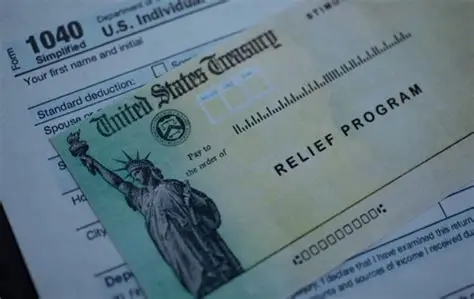
IRS COVID penalty refund claims could help millions recover tax penalties
The IRS COVID penalty refund process is drawing attention after millions of taxpayers learned they may qualify to recover money tied to pandemic-era tax penalties.
Federal officials and taxpayer advocates are urging Americans to review their records before an important July 10 deadline that could determine whether they receive refunds or relief from penalties issued during the coronavirus pandemic.
The issue affects taxpayers who faced penalties for filing taxes late, paying taxes late or missing estimated tax payments between 2020 and 2023.
Experts say many Americans still do not realize they could potentially reclaim money from those penalties.
IRS COVID penalty refund issue affects millions
According to federal records, the Internal Revenue Service assessed more than 120 million penalties against tens of millions of taxpayers during the pandemic period.
The penalties covered several situations, including:
- Filing tax returns late
- Paying taxes after deadlines
- Missing estimated tax payments
- Filing international information returns late
These penalties were issued between January 2020 and July 11, 2023, when widespread disruptions affected businesses, households and financial systems across the country.
Now, a legal ruling has created a possible path for affected taxpayers to seek refunds or penalty relief.
Federal court ruling changed the conversation
The growing attention surrounding the IRS COVID penalty refund issue follows a federal court decision in a case known as Kwong v. U.S.
The court ruled that emergency laws introduced during the COVID-19 pandemic effectively extended tax filing deadlines, meaning some penalties issued during that period may not have been legally enforceable.
Although the case remains under litigation, tax professionals say affected individuals should still file claims to protect their rights before the deadline expires.
The ruling has created uncertainty around millions of penalties already assessed by the IRS.
Why taxpayers are being urged to act now
Tax professionals warn that waiting too long could prevent eligible individuals from recovering money or receiving relief.
The July 10 filing deadline has become especially important because many claims may become invalid after that date.
Experts say taxpayers should review their records immediately rather than waiting for additional court decisions.
One major concern is that many eligible people may never realize they qualify for potential refunds.
Who may qualify for IRS COVID penalty refund relief?
The IRS COVID penalty refund issue could affect several categories of taxpayers.
Potentially eligible individuals include:
- Taxpayers who filed returns late between Jan. 20, 2020, and July 11, 2023
- People who paid penalties for late filing or late payment during that period
- Taxpayers who still owe unpaid penalties from that timeframe
- Individuals who filed international information returns late
Financial experts say both individuals and businesses could potentially qualify depending on their circumstances.
How taxpayers can check if they qualify
Taxpayer advocates recommend reviewing IRS tax account transcripts through official online IRS accounts.
These records can help taxpayers identify:
- Penalties assessed during the pandemic
- Payment history
- Outstanding balances
- Relevant filing dates
Reviewing account information carefully may help determine whether a claim should be submitted before the deadline.
Form 843 plays a key role
Experts say taxpayers seeking relief will likely need to complete Form 843, which is available through the IRS.
The document allows individuals to request:
- Refunds of penalties already paid
- Abatement of penalties still owed
Unlike many modern tax filings, the form generally must be submitted through traditional mail rather than electronically.
Tax professionals strongly advise mailing documents early enough to avoid missing the deadline.
IRS COVID penalty refund deadline approaching quickly
The approaching July 10 deadline has become one of the biggest concerns for taxpayer advocates.
Many fear millions of eligible taxpayers may miss the opportunity simply because they are unaware of the issue.
Reasons people may overlook eligibility include:
- Limited awareness of the court ruling
- Confusion about tax laws
- Lack of professional tax assistance
- Assuming penalties cannot be challenged
- Missing official notices or updates
Experts warn that lower-income taxpayers may face the greatest risk of missing out on refunds.
Government disagrees with court interpretation
Despite the court ruling, government officials continue challenging the legal interpretation behind the case.
Federal officials argue that the ruling incorrectly interpreted emergency tax law language.
However, tax professionals stress that taxpayers should still protect themselves by filing claims before the deadline while litigation continues.
Many experts describe the situation as a precautionary opportunity.
Tax professionals encourage precautionary filings
Financial advisers say filing a claim now can preserve taxpayer rights even if the legal process continues for years.
Experts note that taxpayers do not lose anything by protecting their eligibility through timely filings.
This strategy has become especially important because future legal outcomes remain uncertain.
Tax professionals emphasize that missing the filing deadline could permanently eliminate the chance to recover funds.
Why lower-income taxpayers may be most affected
Advocates warn that lower and middle-income households often struggle to access complex tax information.
Many taxpayers affected by the IRS COVID penalty refund issue may not:
- Have professional tax representation
- Understand evolving legal developments
- Know how to request relief
- Realize penalties can potentially be challenged
As a result, awareness campaigns have intensified ahead of the deadline.
Key details about IRS COVID penalty refund claims
Important facts taxpayers should know
- Refund claims may apply to pandemic-era IRS penalties
- Penalties were assessed between 2020 and July 2023
- A federal court ruling created possible refund opportunities
- Most taxpayers must act before July 10
- Form 843 is commonly required for claims
- The legal case remains ongoing
- Millions of taxpayers could potentially qualify
Pandemic disruptions created widespread tax problems
During the coronavirus pandemic, millions of Americans experienced financial disruption, job loss, business closures and delayed paperwork.
These disruptions contributed to widespread tax filing challenges.
Many taxpayers struggled to:
- Access financial records
- Meet filing deadlines
- Make timely payments
- Communicate with tax agencies
The legal dispute now centers on whether emergency protections should have prevented many of those penalties altogether.
Financial experts stress urgency
Tax specialists continue warning that time is running short for taxpayers hoping to preserve their rights.
Although the process may seem confusing, experts say reviewing records and filing claims now could potentially lead to substantial refunds later.
Even taxpayers uncertain about eligibility are encouraged to investigate their situation before the deadline expires.
What happens next?
The legal battle surrounding the IRS COVID penalty refund issue is still ongoing, meaning final outcomes remain uncertain.
However, filing a claim now may allow taxpayers to benefit if courts ultimately uphold the ruling in favor of taxpayers.
Meanwhile, taxpayer advocates continue encouraging Americans to act quickly and avoid waiting for final legal resolution.
Final thoughts
The IRS COVID penalty refund issue could impact millions of taxpayers who faced penalties during the pandemic years.
With a major filing deadline approaching, financial experts urge taxpayers to review their IRS records, determine whether penalties were assessed and consider filing claims to preserve their rights.
As legal proceedings continue, acting before July 10 may prove critical for anyone hoping to recover money tied to pandemic-era IRS penalties.