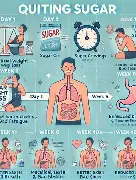
A growing number of people are choosing to quit sugar for 6 weeks to understand how it affects their health, energy, and daily habits.
Foods with added sugar are common in modern diets—even in items that do not taste sweet. This makes it difficult to avoid sugar completely, even for people who eat a generally healthy diet.
Why Sugar Became a Concern
Although the writer usually follows a balanced diet with home-cooked meals, they also consume small sugary treats daily. This is a widespread habit, as added sugar is deeply embedded in everyday food choices.
Health concerns around sugar are well documented. Excess consumption can damage teeth, contribute to long-term health problems, and may even affect brain function over time.
Dietary guidelines recommend limiting sugar intake. In the United Kingdom, the NHS suggests no more than seven teaspoons per day, while in the United States, recommendations are slightly higher. However, many adults exceed these limits regularly.
The Six-Week No-Sugar Challenge
To test the impact, a decision was made to eliminate all foods with added refined sugar for six weeks. This also included avoiding honey and fruit juice.
However, natural sugars from whole fruits and complex carbohydrates were still included, as these provide essential energy once broken down by the body.
Early Changes in Energy and Cravings
Within the first few days, noticeable changes began to appear. Energy levels felt more stable, and the usual post-lunch fatigue disappeared.
However, cravings also increased. There was a strong urge to find something sweet, leading to frequent trips to the kitchen in search of snacks that were no longer part of the diet.
Hidden Sugar in Everyday Foods
One of the biggest surprises was how difficult it is to avoid sugar completely. Even common foods contain added sugars in unexpected amounts.
For example, a deli sourdough sandwich contained several grams of sugar, while ready meals like bolognese sauces included even higher levels. Breakfast cereals and packaged bread also contributed small but regular amounts.
Sugar is especially common in ultra-processed foods, which often contain fewer nutrients compared to whole foods such as fruits, vegetables, and grains.