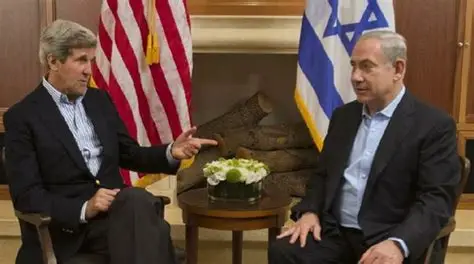
ISRAEL and Lebanon have restarted direct diplomatic talks for the first time in more than 30 years. Both sides aim to reduce tensions and address the ongoing conflict involving Hezbollah.
The last high-level meeting between the two countries took place in 1993. This new round of discussions marks a rare diplomatic breakthrough in a region often defined by conflict.
US Mediation and Goals
Marco Rubio facilitated the talks and described them as a “historic opportunity.” He emphasized the importance of long-term efforts to reduce violence and stabilize the region.
Officials confirmed that both countries agreed to begin formal negotiations soon. They will decide the time and location in the coming weeks.
The United States expressed support for Israel’s right to defend itself while also encouraging steps to limit Hezbollah’s influence.
Key Demands from Both Sides
Israel stated that it wants to disarm all non-state armed groups operating in Lebanon. This demand directly targets Hezbollah, which holds strong military and political power in the country.
Lebanon, on the other hand, called for:
- An immediate ceasefire
- Humanitarian assistance
- Measures to ease the ongoing crisis
Lebanese President Joseph Aoun said he hopes the talks will reduce suffering, especially in southern regions heavily affected by violence.
Conflict Continues Despite Talks
Despite the diplomatic efforts, clashes continue on the ground. Hezbollah reported multiple attacks against Israeli targets during the same day the talks took place.
Rocket and drone alerts sounded across northern Israel, highlighting the ongoing threat.
Since early March, the conflict has caused:
- Over 2,000 deaths
- Around one million displaced people
The escalation followed broader regional tensions, including strikes involving Iran.
Challenges Ahead
Hezbollah has already signaled that it may not follow any agreement reached during the talks. A senior official from the group stated that they do not consider themselves bound by decisions made in Washington.
This position complicates the situation, as Hezbollah maintains significant influence within Lebanon’s political system and military landscape.
A Fragile Path Forward
The renewed dialogue offers a rare chance for diplomacy between two long-time adversaries. However, achieving lasting peace will require cooperation from multiple parties, including armed groups and regional powers.
For now, the talks represent a cautious step toward reducing conflict, even as violence continues.