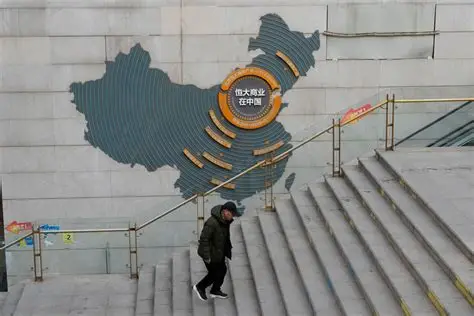
HUI KA YAN, the founder of Evergrande, has pleaded guilty to multiple charges, including embezzlement and corporate bribery. The case represents a major turning point in the fallout from the company’s dramatic collapse.
The court held hearings on 13 and 14 April in Shenzhen, where Hui admitted his wrongdoing and expressed remorse. Authorities confirmed that they will announce the final verdict at a later date.
Evergrande was once China’s largest real estate developer, with a market value exceeding $50 billion. However, the company collapsed in 2021 under the weight of massive debt, triggering a crisis across the country’s property sector.
During the trial, prosecutors revealed that Evergrande misused pre-sale funds collected from homebuyers. Instead of completing housing projects, the company redirected the money into new developments. This decision left hundreds of projects unfinished across China.
Hui, also known as Xu Jiayin, rose from modest beginnings in rural China. He built Evergrande in 1996 and expanded it rapidly during the country’s economic boom. At its peak, the company managed around 1,300 projects across more than 280 cities.
However, Evergrande relied heavily on borrowed money. The company accumulated debts of around $300 billion, making it one of the most heavily indebted property developers in the world.
In 2020, Chinese authorities introduced strict regulations to control excessive borrowing in the property sector. These policies severely impacted Evergrande’s business model. The company began selling properties at discounted prices to generate cash, but the strategy failed to prevent its collapse.
The downfall of Evergrande has had lasting effects on China’s economy. It contributed to a prolonged slowdown in the property market, which continues to affect growth and investor confidence.
In March 2024, regulators fined Hui $6.5 million and banned him for life from participating in China’s capital markets. Authorities found that Evergrande had overstated its revenue by $78 billion.
At the height of his success, Hui was once the richest person in Asia, with a net worth estimated at $42.5 billion in 2017. His business empire extended beyond real estate into sectors such as electric vehicles, food, and beverages.
This case highlights the risks of excessive borrowing and weak financial oversight in rapidly growing industries. It also reflects broader efforts by Chinese regulators to enforce accountability in the corporate sector.