

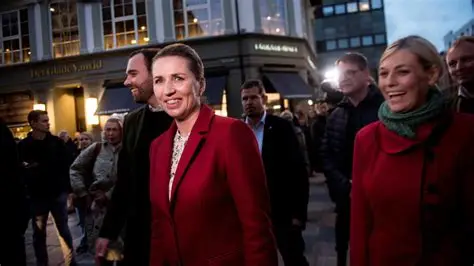
Voters in Denmark are heading to the polls in a closely contested election. Prime Minister Mette Frederiksen is aiming to secure a third term in office for her Social Democrats.
Frederiksen called the election earlier than expected. She hopes to capitalize on strong public support following her firm stance against Donald Trump over the issue of Greenland.
A Tight Political Contest
Although her party remains the largest in opinion polls, support has dropped since the last election in 2022. The Social Democrats now face strong competition from centre-right parties, including the Liberal party led by Troels Lund Poulsen.
Denmark typically forms coalition governments, so the final result will decide whether power stays with the left-leaning bloc or shifts toward the right.
Polls Show Uncertain Outcome
Recent surveys place the Social Democrats ahead of other parties, with over 20% of voter support. However, this lead may not be enough to secure a parliamentary majority.
Both major political blocs—the left (“red”) and the right (“blue”)—may need support from smaller centrist parties to form a government.
Domestic Issues Dominate Campaign
While tensions over Greenland boosted Frederiksen’s popularity, domestic concerns have driven most of the election debate.
Key issues include:
- Rising cost of living
- Economic stability
- Environmental concerns, especially pesticide levels in drinking water
Frederiksen has proposed a new wealth tax targeting the richest citizens. Some parties have also called for stricter environmental regulations, including limits on agricultural practices.
Coalition Politics and Key Players
The outcome may depend on the centrist Moderates party led by Lars Løkke Rasmussen. His party could play a decisive role in forming the next government.
Greenland and the Faroe Islands also hold parliamentary seats that could influence the final balance of power. For the first time in years, these seats may shift political alignment.
Rasmussen has expressed interest in shaping the next government’s policies, although he has indicated he does not plan to return as prime minister.
A Defining Moment for Denmark
Even if Frederiksen wins the largest share of votes, her party could record its weakest result in decades. This election will shape Denmark’s political direction at a time of economic pressure and global uncertainty.