AUSTRALIA and the European Union have finalized a major trade agreement that will expand beef exports and remove most tariffs on goods.
Leaders, including Anthony Albanese and Ursula von der Leyen, described the deal as beneficial for both sides.
Boost for Beef and Agriculture
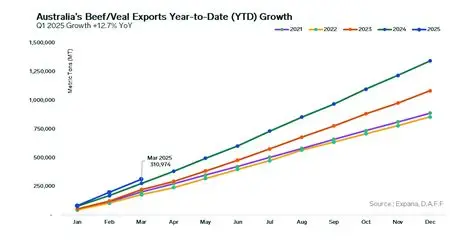
The agreement allows more Australian beef to enter European markets. Export quotas will increase significantly, offering new opportunities for producers.
In addition to beef, Australia will benefit from reduced tariffs on products such as wine, seafood, dairy, wheat, and barley. This move is expected to strengthen agricultural exports.
Lower Prices and More Choices
Consumers in Australia will also benefit. The deal will make European products more affordable, including wine, chocolate, pasta, and other food items.
At the same time, Australian wine exporters could save millions due to lower trade costs.
Food Naming Rights Remain Sensitive
The agreement addresses long-standing disputes over product names. Australian producers can continue using certain traditional European names under specific conditions.
For example, Australian sparkling wine can still be labeled as prosecco within the domestic market. However, exporters will gradually phase out the name over the next decade.
Other products, such as parmesan, will remain in use, while names like feta will face gradual restrictions under EU rules.
Mixed Reaction from Industry
While the deal opens new markets, some industry leaders remain disappointed. Representatives from Australia’s meat sector had pushed for a larger beef export quota.
The final agreement allows around 30,000 tonnes annually, which falls short of expectations. Despite this, it still marks a major increase compared to previous limits.
Beyond Trade: Strategic Cooperation
The agreement also strengthens ties beyond trade. Australia and the EU have signed a partnership covering defence, security, and technology.
This includes cooperation in areas such as counter-terrorism, maritime security, and critical minerals like lithium and tungsten.
Leaders emphasized the importance of long-term cooperation in a rapidly changing global environment, where trade and supply chains play a strategic role.